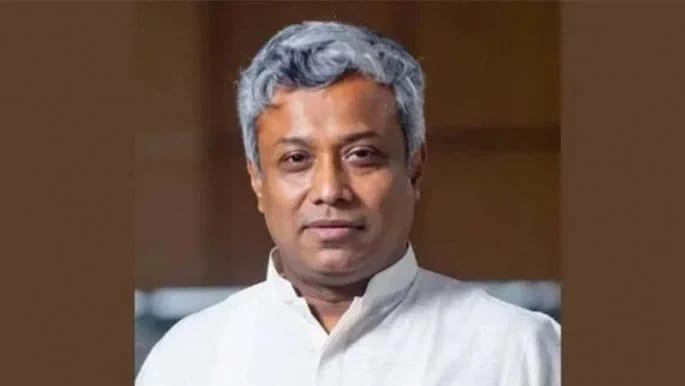
Prime Minister’s Adviser on Finance and Planning Prof Dr Rashed Al Mahmud Titumir has assured that the country’s gas supply situation will return to normal within a few days due to increased imports from both government and alternative sources. Speaking at a seminar titled 'Energy Security in Bangladesh: From Crisis Management to a Resilient Energy Transition', organised by the Bangladesh Institute of International and Strategic Studies (BIISS), Dr Titumir highlighted the government’s efforts to enhance gas supply through various initiatives.
Current State of the Energy Sector
Dr Titumir pointed out that when the current government took charge, the power sector was in a highly fragile condition. He noted that the sector was financially unstable and lacked strategic direction. The previous government’s policy of making the energy sector dependent on imports has exacerbated the current crisis, placing significant pressure on the people, industries, and investment in Bangladesh.
Government Initiatives and Future Plans
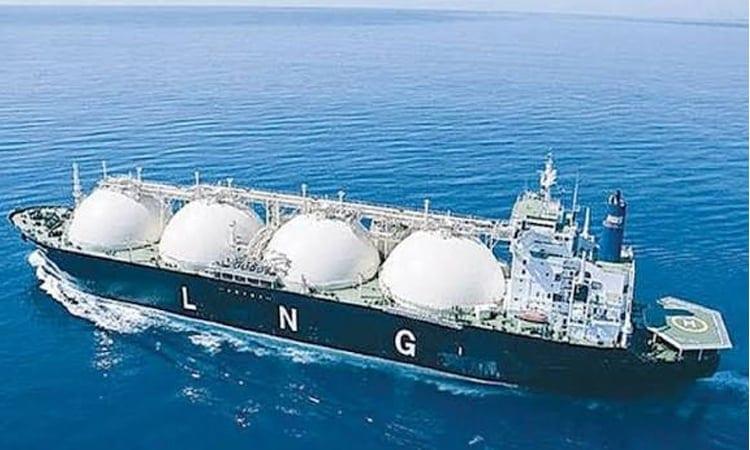
To address the energy crisis, the government has undertaken several initiatives aimed at increasing gas supply. These include developing new LNG infrastructure, improving existing pipelines, and conducting domestic gas exploration. Dr Titumir emphasised the need to reduce dependence on fossil fuels and move towards a balanced energy mix to build a robust and competitive energy system.
Regarding the Rooppur Nuclear Power Plant, Dr Titumir assured that the plant would only commence full-fledged operations after ensuring complete safety. He expects the plant to start operations in 2027. Additionally, he mentioned that LPG prices would decrease if gas could be imported through VLC cargoes, alleging that the previous government established oligarchs in various sectors.
Dr Titumir stressed that Bangladesh’s energy-related decisions should be based on long-term considerations, taking into account national interests, energy security, and economic stability. He defined energy security as ensuring a reliable and growing supply of clean energy without adversely affecting financial stability, putting pressure on foreign exchange, or creating imbalances in the external sector.