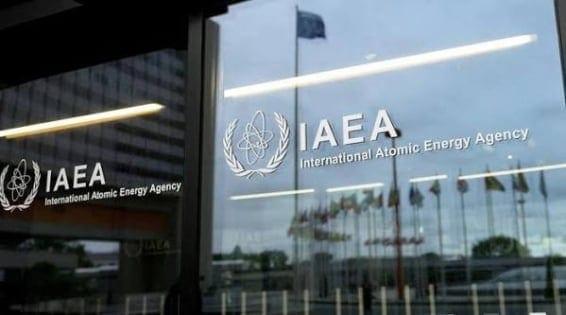
At the opening of the quarterly meeting of the IAEA board of governors, Director General Rafael Grossi emphasized that Iran's cooperation with the agency would have 'positive repercussions' for the Islamic republic. Grossi's comments come as a draft resolution, proposed by the United States, Britain, France, and Germany, seeks to refer Iran to the UN Security Council for failing to comply with its nuclear reporting obligations.
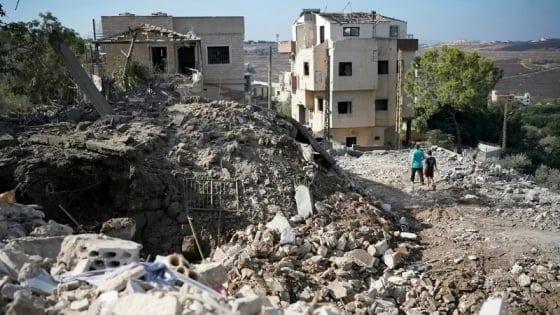
The IAEA has not had access to key nuclear facilities in Iran since June 2025, when Israel, supported by the United States, launched a 12-day conflict that included strikes on nuclear sites. The agency has repeatedly urged Iran to allow access to these facilities, especially in light of the latest conflict that began on February 28, 2026. 'The best, shortest way for a positive outcome is for Iran to engage with us,' Grossi told a press conference.
The draft resolution, seen by AFP, asks Grossi to 'submit this resolution to all members of the agency and to the Security Council and the General Assembly of the United Nations.' If passed, this could lead to further international sanctions against Iran. Grossi, however, maintained that 'my job with Iran continues, irrespective of the resolution.' He reiterated that if Iran engages in a serious dialogue and allows the IAEA access to its facilities, it could lead to very positive outcomes.
Prior to the June 2025 strikes, the IAEA estimated that Iran possessed approximately 440 kilogrammes of uranium enriched to 60 percent, close to the 90 percent needed for a bomb and significantly above the 3.67-percent limit set by the 2015 agreement, which is now defunct. The fate of this stockpile remains uncertain. Grossi called the lack of contact with Iran 'regrettable' and stressed that these issues will not disappear until the necessary access is granted.
Iran's mission to the UN dismissed the draft resolution as a 'new desperate action' that would bring 'no benefit.' In June, the IAEA board approved a western resolution demanding that Iran immediately provide information and give access to its uranium stockpile and production facilities. The current standoff underscores the ongoing tensions and the critical need for diplomatic engagement to prevent further escalation.