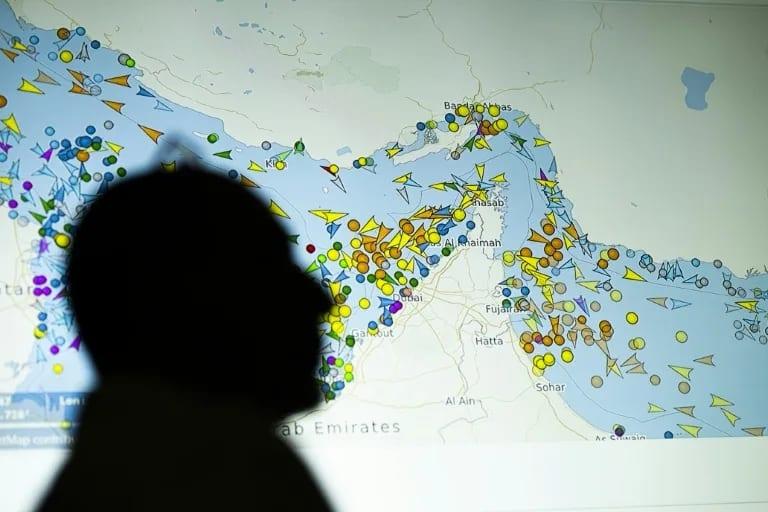
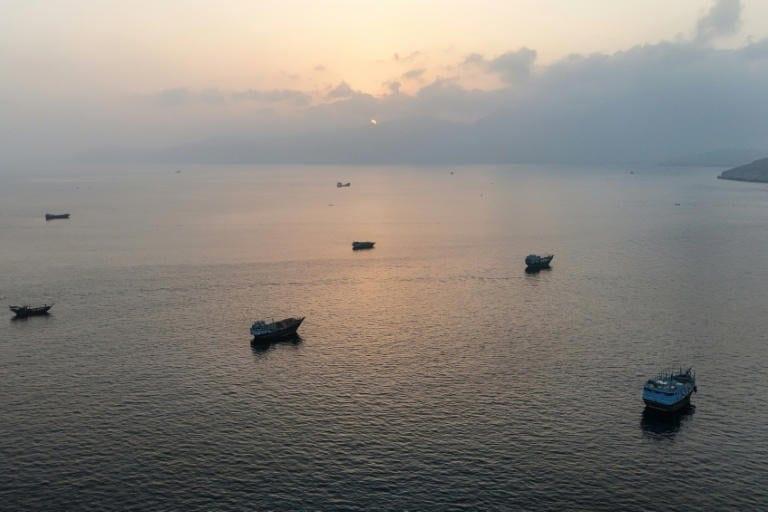
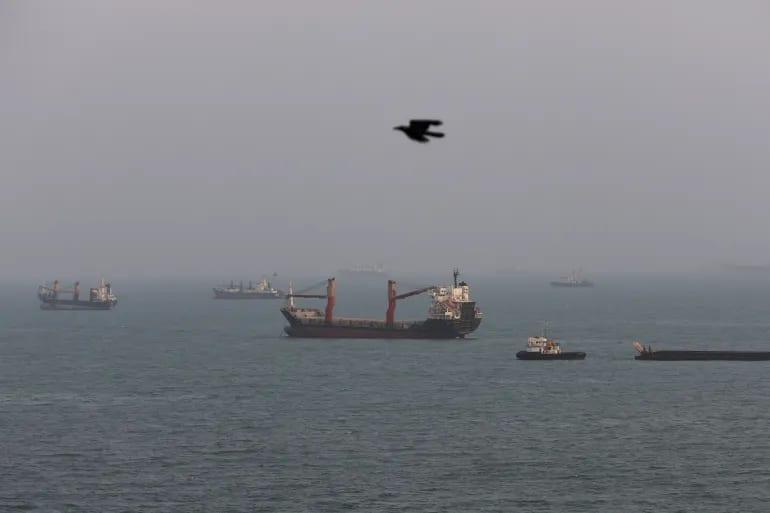
Iran's Revolutionary Guards have declared a new 'prohibited zone' outside the Strait of Hormuz that will extend into parts of the Gulf of Oman and beyond. According to Guards spokesman Hossein Mohebi, this zone will approximately start from the direction of Chabahar, covering parts of the Sea of Oman and the Arabian Sea, along the route leading to the Strait of Hormuz.
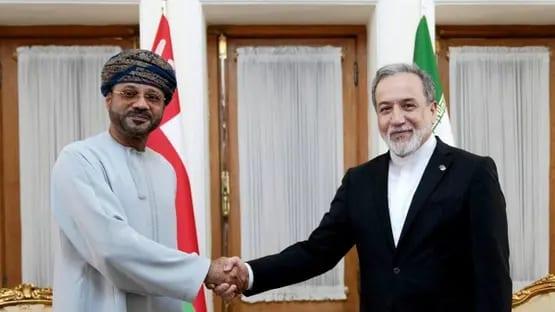
Mohebi stated that any vessel entering this area without prior coordination will be subject to Iranian sanctions. This means that if such a vessel later seeks to use the Strait of Hormuz or receive related services, Iran will refrain from providing those services. This announcement follows Iran's reported 'significant progress' with Oman in discussions regarding a temporary shipping route through the strait.
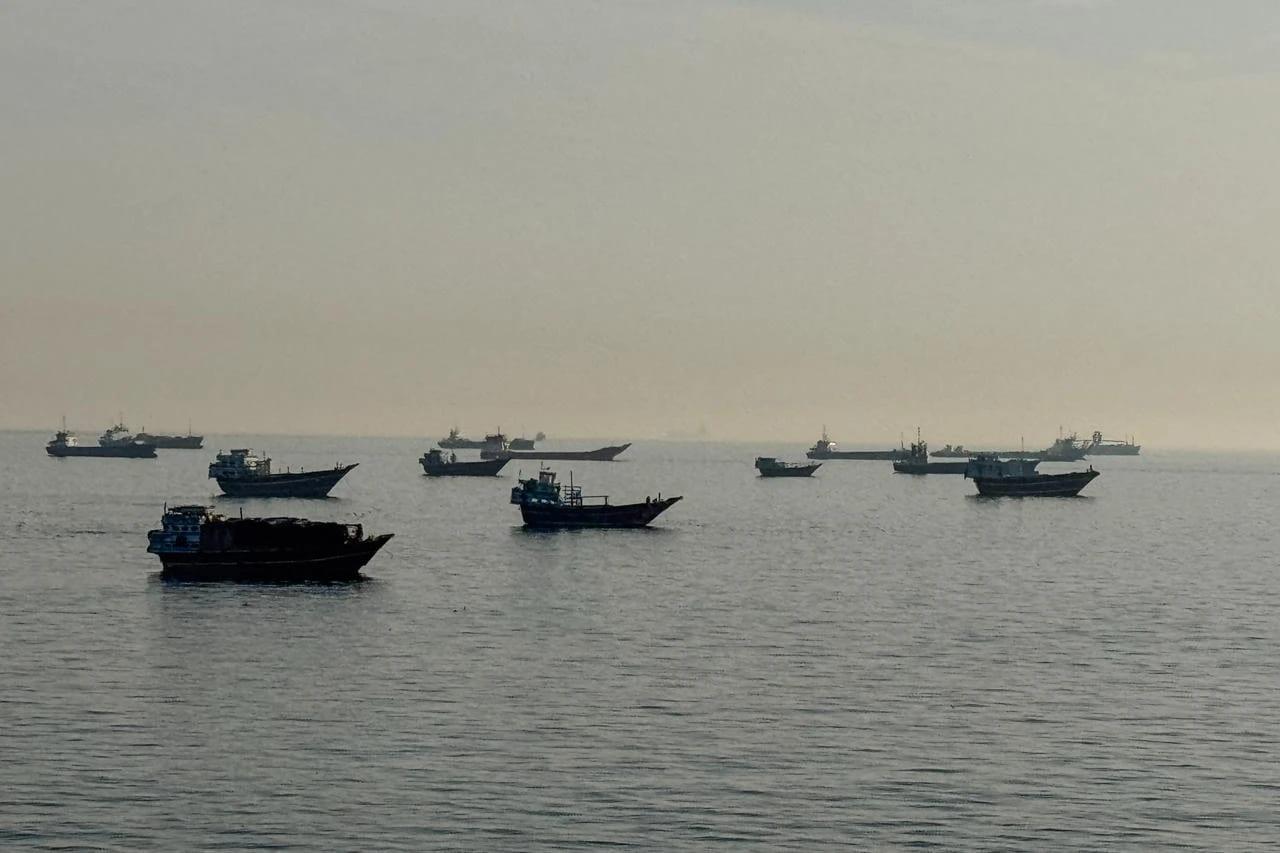
Iranian forces have been restricting traffic through the Strait of Hormuz, a vital energy conduit, since the onset of the war with the United States on February 28. The US has imposed a counter-blockade on Iranian ports in response. Tehran has required vessels to seek permission for transit, maintaining that there will be no return to the pre-war system of unrestricted navigation.
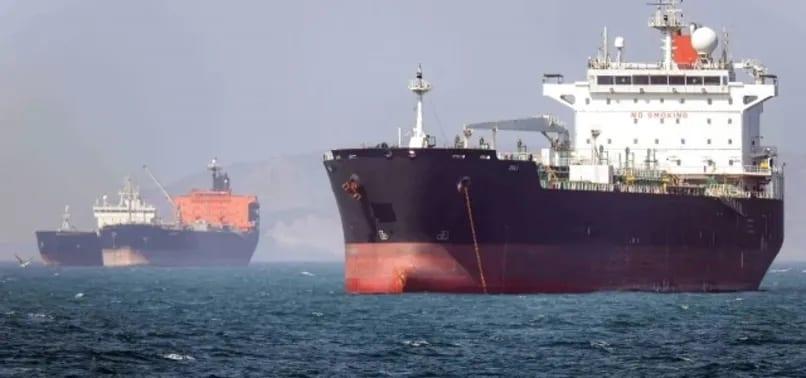
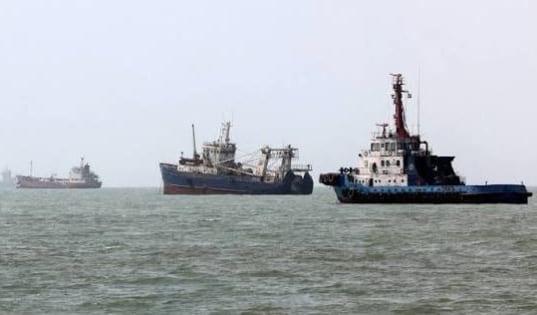
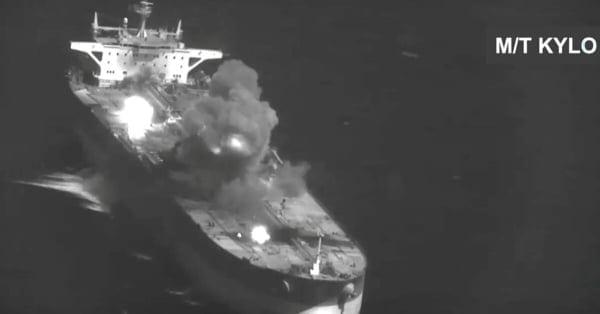
On Tuesday, Iranian forces reported striking 10 vessels that attempted to cross Hormuz without coordination. US President Donald Trump recently claimed that American forces have been facilitating the passage of vessels through the strait, with an average of 30 ships passing each night. However, Iran's security chief Mohsen Rezaei disputed this, stating that the US typically helps only five or six ships through each night, most of which get hit.
During his interview, Mohebi outlined conditions under which the war with the United States could end. These include halting renewed threats, withdrawing the Israeli regime's army from Lebanon, ending the blockade of Yemen, releasing $24 billion in Iran's frozen assets, and refraining from interference in Iran's nuclear and missile capabilities.
The Strait of Hormuz is a critical waterway for global oil shipments, with approximately 20% of the world's petroleum passing through it. The ongoing tensions and blockades have significant implications for international shipping and energy markets. For Bangladesh, which relies on imported oil, any disruption in the strait could lead to increased oil prices and supply chain challenges.