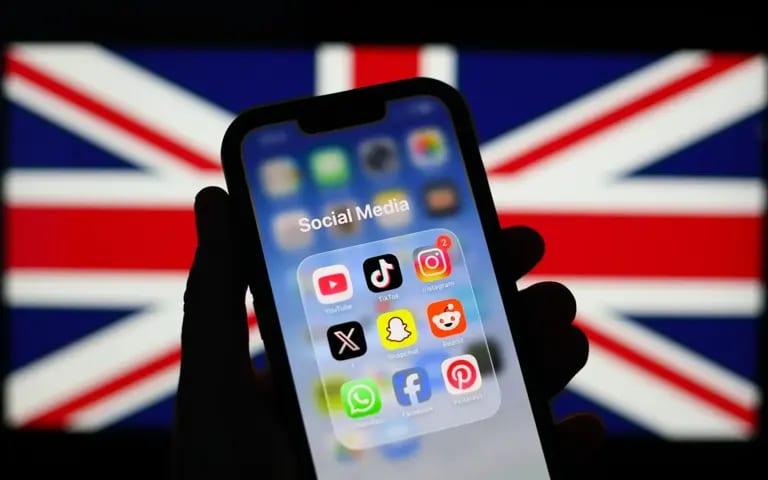
The European Union is poised to announce plans to restrict children's access to social media, aiming to protect minors from the platforms' negative impacts. EU chief Ursula von der Leyen is expected to outline the proposals during a speech to the European Parliament next week. The plans, which follow similar bans in Australia and the UK, have drawn criticism from children's rights groups and digital rights advocates.
Von der Leyen is considering restricting social media access for children under 13, as recommended by an expert panel, or under 15, as proposed by France. The announcement follows over a year of pressure from EU states like Denmark and Greece. The EU intends to implement an age-check system to enforce these restrictions, using a 'zero knowledge proof' method to verify users' ages without collecting personal data.
However, the proposed ban has faced backlash. Children's rights groups argue that restricting social media access infringes on minors' freedoms and could deprive them of essential social connections and resources. Digital rights groups raise concerns about the age verification system, fearing it could compromise users' privacy and restrict online freedoms.
Christian Cirhigiri of the Centre for Democracy and Technology (CDT) Europe stated, 'To protect the fundamental rights of children, it is platforms that must be the focus of regulation, not children's access to online participation.' Over 130 rights and mental health organizations have urged the EU to focus on making platforms safer instead of imposing a blanket ban.
The EU's age-check app, which allows users to verify their age using passports, national IDs, or reliable providers, has also faced criticism. Security consultant Paul Moore demonstrated vulnerabilities in the app, raising concerns about its effectiveness and privacy implications. Despite these issues, the EU insists the app is user-friendly and protects privacy by only storing age information.
The proposed restrictions have broad but not unanimous support among EU member states. Estonian digital minister Liisa-Ly Pakosta argued that platforms should change instead of banning access to information. The EU has already used the Digital Services Act to order changes to Facebook, Instagram, and TikTok's designs to reduce addiction.
For Bangladesh, the debate over children's online safety and privacy is increasingly relevant as internet usage grows. Balancing protection with freedom of expression and access to information is a challenge that resonates globally, highlighting the need for careful consideration of such policies.