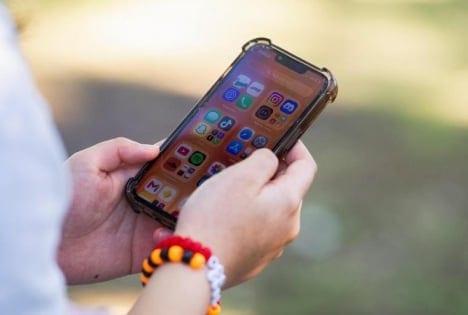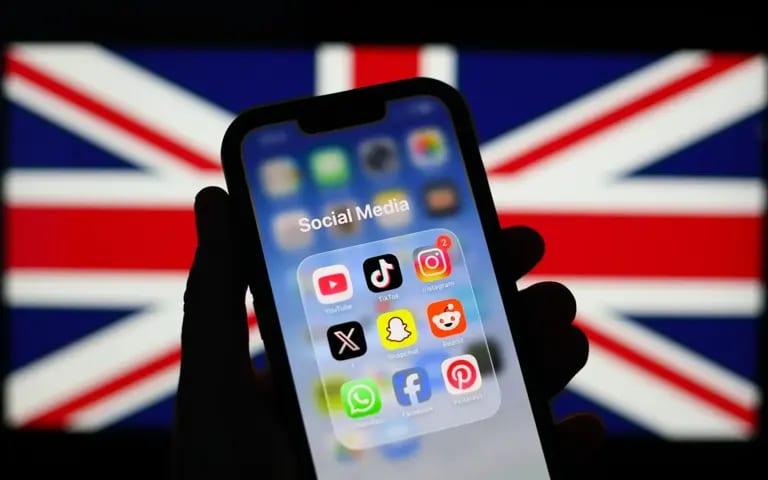
The UK government's recent plan to impose a social media curfew for teenagers aged 16 and 17 appears to face significant opposition. According to a survey conducted by Censuswide, 85 percent of teenagers in this age group indicated they would disable the curfew feature. Introduced in July, the curfew aims to restrict access to social media platforms between midnight and 6:00 am, complementing the existing ban on under-16s using such sites.
Curfew Details and Teen Responses
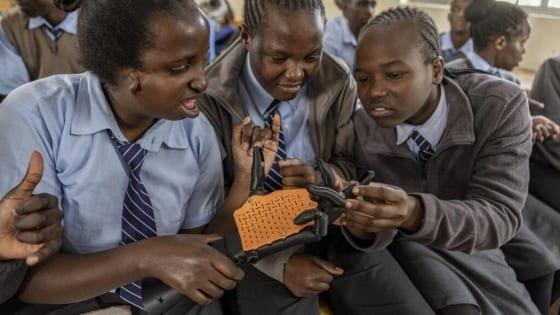
The curfew, announced by former Prime Minister Keir Starmer and implemented by current Prime Minister Andy Burnham, would be enabled by default on social media accounts of 16- and 17-year-olds. However, the feature can be turned off, and the poll results suggest many teens intend to do so. Nearly half of the surveyed teens said they would disable the curfew to stay in touch with friends and family, while 37 percent planned to turn it off to watch online content.
Only two percent of the 1,000 teenagers polled said they did not currently use social media or watch short-form videos on school nights. Over 18 percent reported consuming social media content until 1:00 am or later. Education Minister Bridget Phillipson acknowledged that the voluntary nature of the curfew might be adjusted if many teens disable the settings.
Impact and Future Considerations
The research suggests that the curfew alone may not effectively prevent online harms, according to Leanne Proctor, regulatory lead at the Online Responsibility Network. The UK government's plan draws inspiration from Australia's under-16 social media ban, introduced in December, which has seen mixed results. Australia does not have a curfew for 16- and 17-year-olds.
The survey highlights a potential challenge for the UK government in regulating online behavior among teenagers. The findings suggest that a mandatory approach might be necessary if the voluntary curfew proves ineffective.