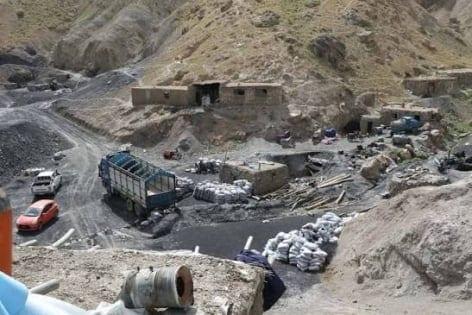
A violent incident last week at a new mining site in Ethiopia run by Kefi Gold and Copper has led to multiple deaths and a suspension of operations, the company has said. Work at the prospective gold mine in Tulu Kapi, in Ethiopia's central Oromia region, began in March and was due to start production in 2028. The company reported a serious security incident resulting in multiple fatalities, including security personnel, members of the local community, and one employee. The exact nature of the incident and the number of casualties remain unspecified.
Security Challenges and Community Impact
The Tulu Kapi mine is located in the Oromia region, Ethiopia's largest and most populous region, which has been plagued by widespread insecurity and a long-running insurgency by local ethnic nationalists. The recent attack adds to the region's instability and highlights the challenges faced by mining companies operating in conflict-prone areas. The suspension of work at Tulu Kapi is pending talks with the government and stakeholders on security measures to ensure safe operations.
Economic Significance and Future Prospects
Gold exports are a crucial source of foreign exchange for Ethiopia, generating $5.65 billion last year according to the mines ministry. The Tulu Kapi project, once operational, was expected to contribute significantly to the country's economy. Kefi Gold and Copper, which also operates sites in Saudi Arabia, was in the process of building infrastructure, including a road and electrification of the site. The company had plans in place to compensate displaced local communities, reflecting an awareness of the social impacts of mining activities.
The incident underscores the delicate balance between economic development and community security. As Ethiopia seeks to leverage its natural resources for economic growth, it must navigate the complex interplay of security, community relations, and sustainable development. The fate of the Tulu Kapi project will likely depend on the outcomes of ongoing discussions and the ability to address the underlying security concerns.