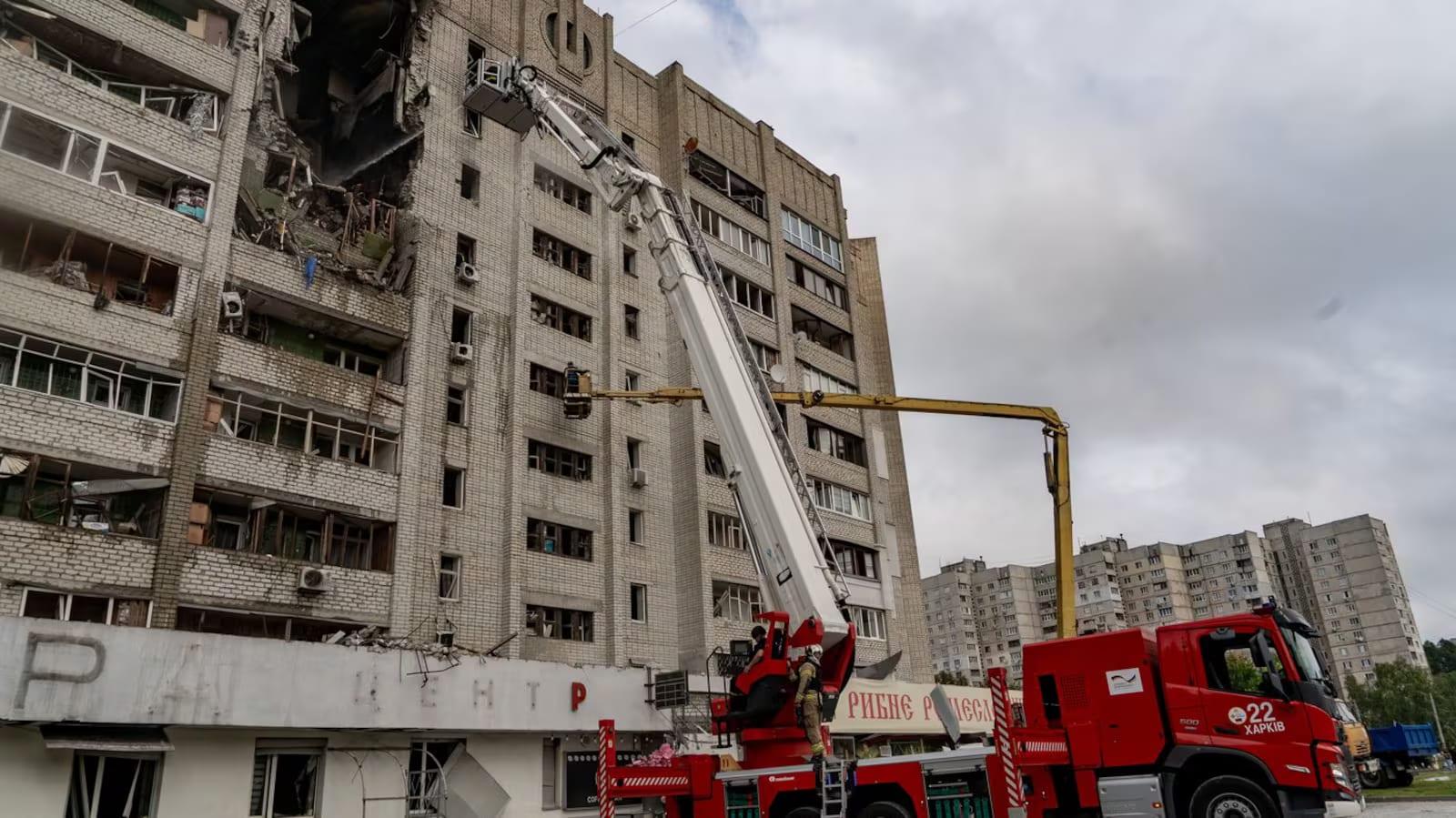
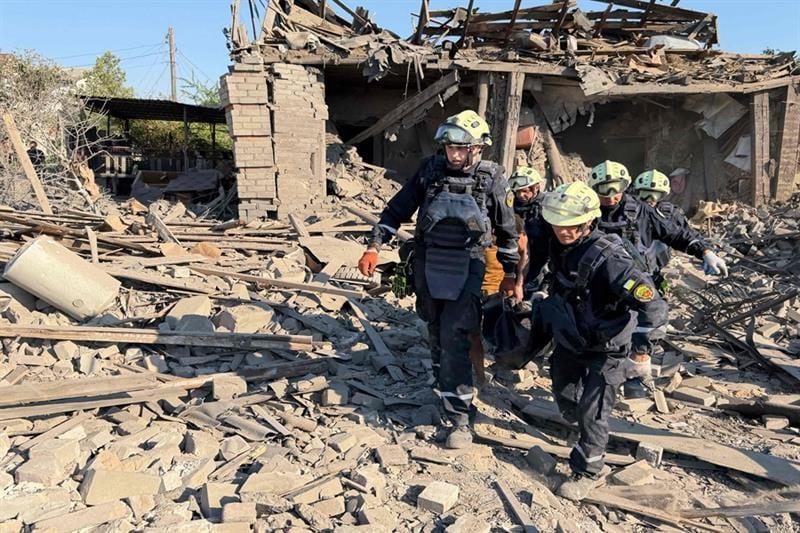
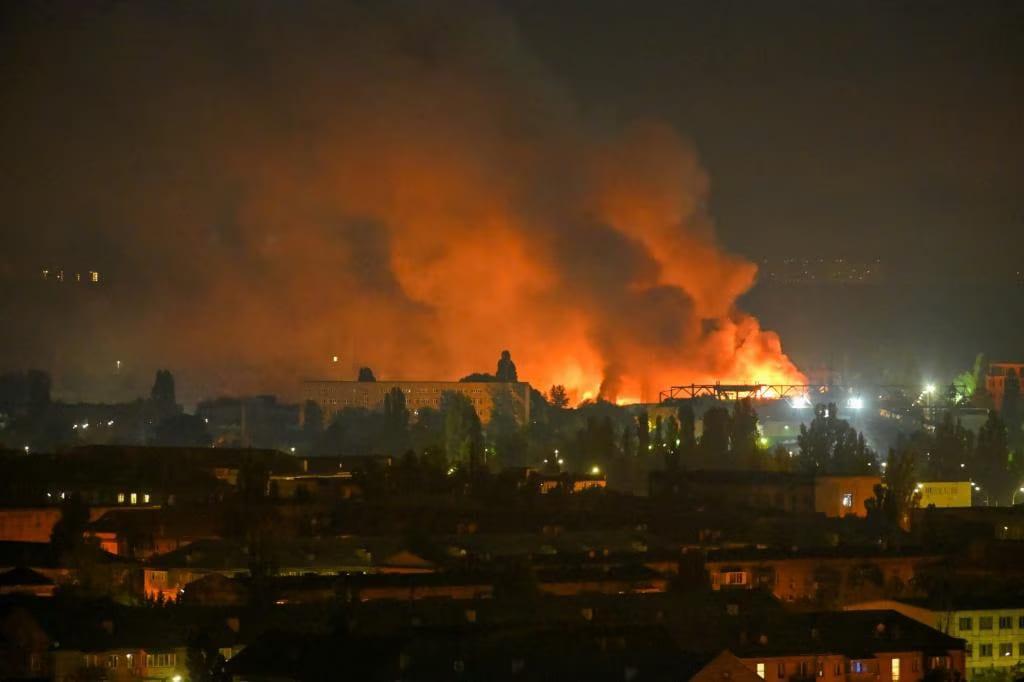
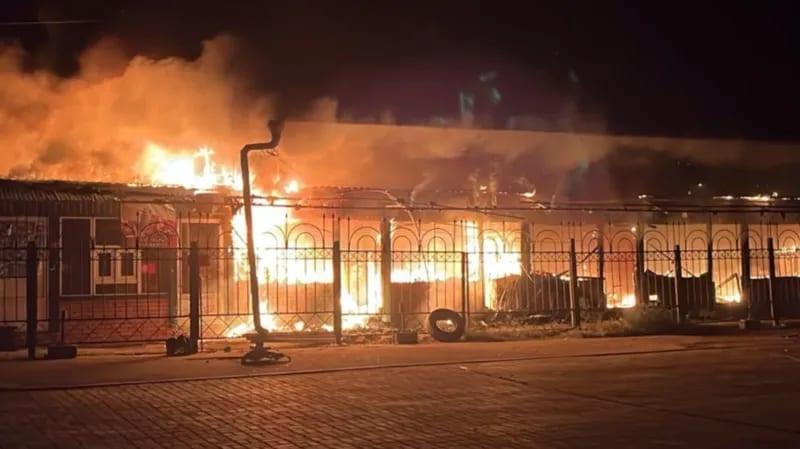
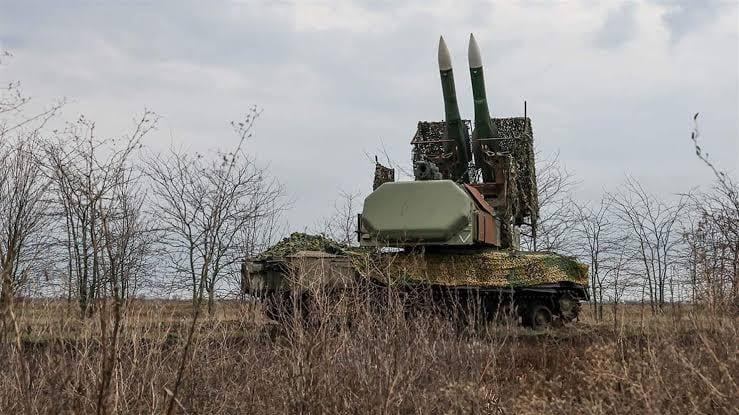
Cluster munitions, widely banned due to their indiscriminate and long-lasting effects, caused at least 1,063 casualties worldwide in 2025, according to the Cluster Munition Coalition (CMC). The majority of these casualties occurred in Ukraine, where the ongoing conflict with Russia has seen a significant use of these weapons. The CMC's annual report highlights that Ukraine accounted for 87 percent of the total casualties, with 927 individuals killed or injured.
The report indicates that cluster munitions were also used in Afghanistan, Cambodia, Iraq, Laos, Lebanon, Myanmar, Russia, and Syria. These weapons, which release smaller bomblets over a wide area, pose a persistent threat as many fail to detonate immediately, acting as de facto landmines. Erik Tollefsen, head of the weapon contamination unit at the International Committee of the Red Cross, noted that the colorful bomblets are particularly attractive to children, exacerbating the danger.
Civilians bore the brunt of the casualties, making up 87 percent of those affected. The CMC report identified five countries that used cluster munitions in 2025: Russia, Ukraine, Myanmar, Iran, and Thailand. Notably, none of these countries are party to the 2008 Convention on Cluster Munitions, which prohibits their use, transfer, production, and storage. The convention, signed by 112 states, aims to eliminate the use of these weapons due to their severe humanitarian impact.
The report comes as countries prepare to meet in Laos for a third review conference on the convention. Tamar Gabelnick, CMC chief, emphasized that while the convention has delivered results, the rising human toll and continued use by non-party states are alarming. The withdrawal of Lithuania from the convention last year, along with other states quitting a treaty banning anti-personnel landmines, raises concerns about the weakening stigma associated with prohibited weapons.
Fahad Amed, an ICRC legal advisor, warned against the slippery slope of justifying the use of prohibited weapons, questioning where it might lead if states begin to rationalize their use. The CMC also highlighted the impact of deep cuts to international development and aid funding on clearance and survivor support, underscoring the ongoing challenges in addressing the legacy of cluster munitions.