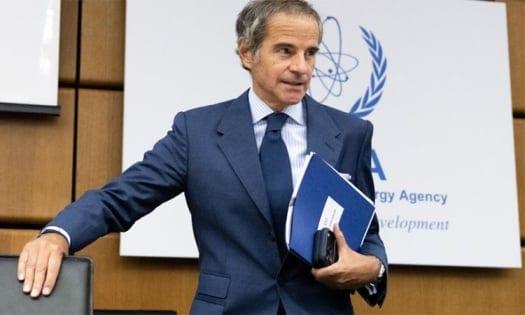
The UN nuclear watchdog's board of governors has decided to close a long-time probe against Syria, which was launched under the previous government led by Bashar al-Assad. The International Atomic Energy Agency (IAEA) had been investigating Syria for alleged non-compliance with its nuclear obligations. The decision to terminate the probe comes after the current Syrian authorities provided access to key nuclear sites and cooperated with the IAEA.
Investigation Findings
IAEA inspectors visited two sites in Syria, one in Deir Ezzor and another in an undisclosed location identified by Syrian authorities. During the investigation, IAEA head Rafael Grossi revealed that a nearly complete nuclear reactor, capable of producing material for nuclear weapons, was found in Deir Ezzor. The reactor was built clandestinely during al-Assad's rule.
Board Decision
The IAEA board adopted a text by consensus, stating that a 2011 resolution finding Syria in non-compliance was terminated. The resolution, submitted by Egypt, Jordan, Morocco, and Saudi Arabia, encourages Syria to continue its cooperation with the agency, including excavation work at the Deir Ezzor site. It also requests the IAEA director general to update the board on the outcomes of ongoing activities in Syria.
Rafael Grossi praised Damascus's decision to report the undisclosed site, noting that the previous government was pursuing clandestine nuclear activities. Besides the reactor, the IAEA found a fuel fabrication plant and a storage location for nuclear fuel and uranium scrap.
Background and Context
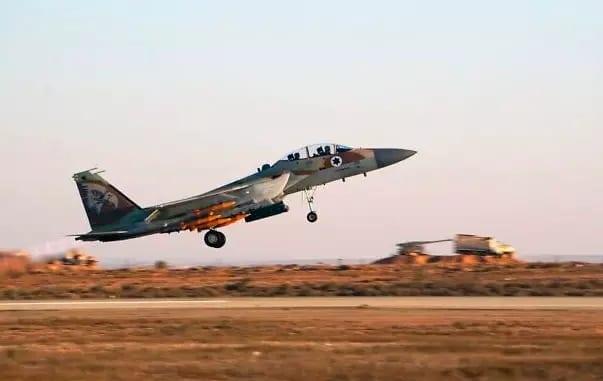
The UN atomic watchdog declared in 2011 that the Deir Ezzor site was very likely to host a nuclear reactor, suggesting it was built with North Korean assistance. In 2018, Israel admitted carrying out a top-secret air raid on the site in 2007. US officials accused Syria of seeking to build a secret nuclear reactor, which Israel destroyed in the raid.
Robert Kelley, a former IAEA inspections director, noted that there was no evidence of a weapons program in Syria. The aim before the site was destroyed may have been to produce plutonium for North Korea, possibly to sell to a third party.