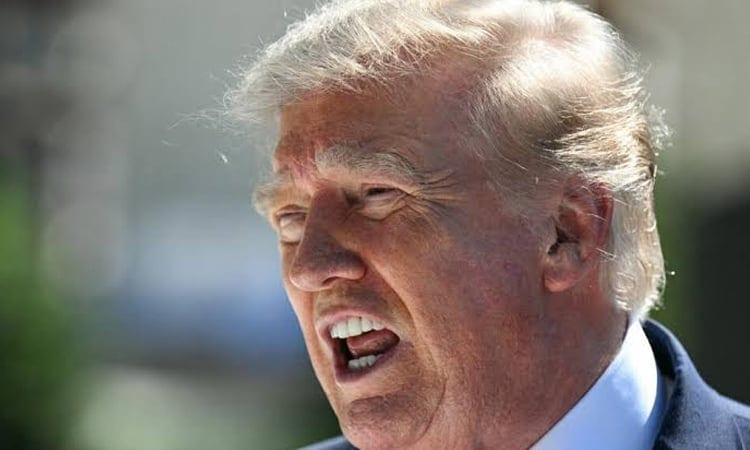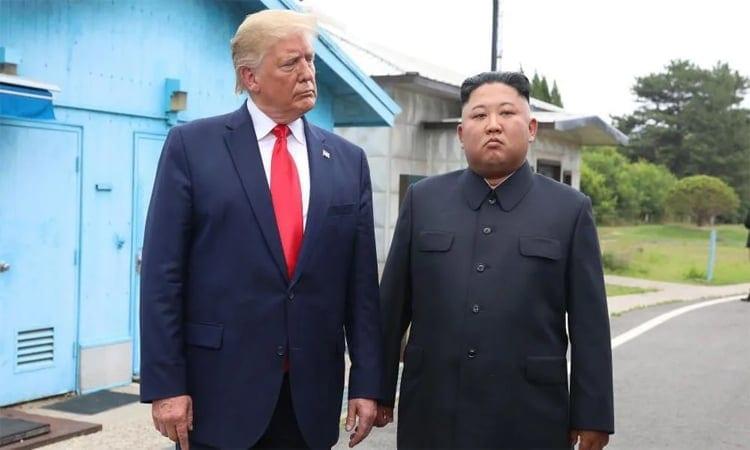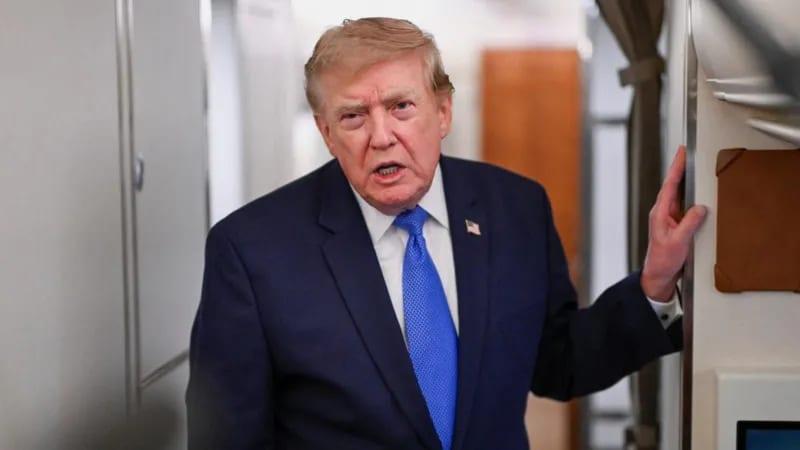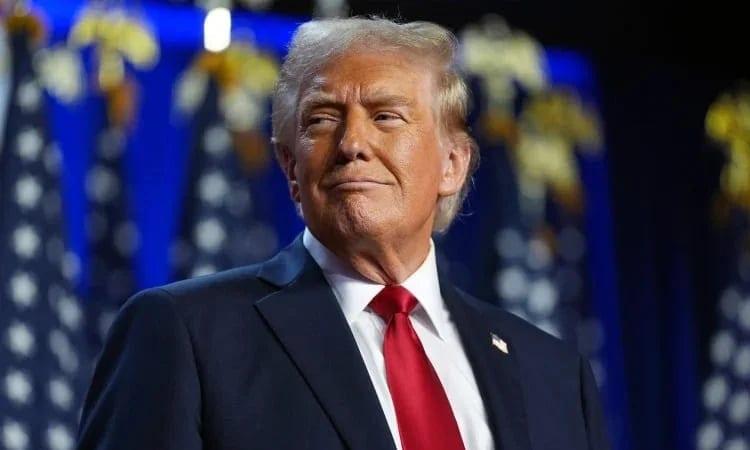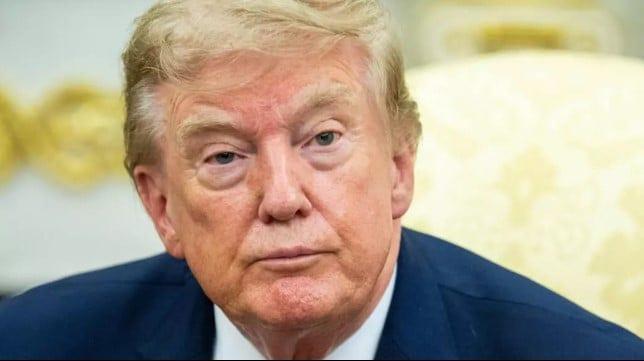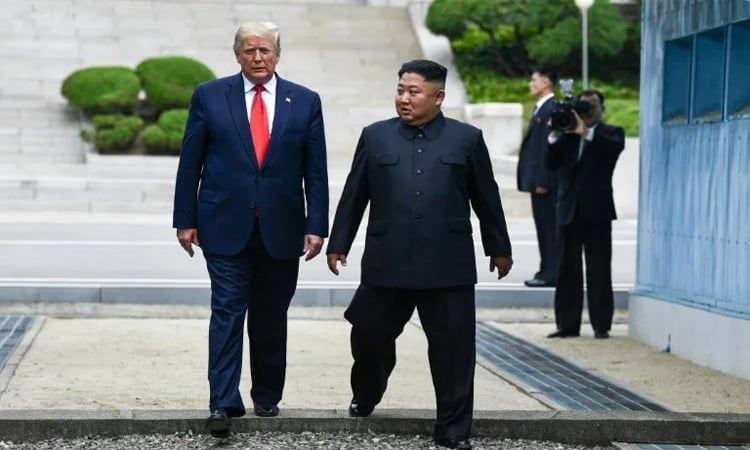
US President Donald Trump has declared that he will meet North Korean leader Kim Jong Un later this year. This announcement comes as Trump seeks to re-establish the bond he claims to have formed with Kim during his first term in office. Speaking to reporters at the White House, Trump emphasized the importance of maintaining a good relationship with Kim, particularly in light of North Korea's nuclear capabilities.
Trump's Announcement and Its Implications
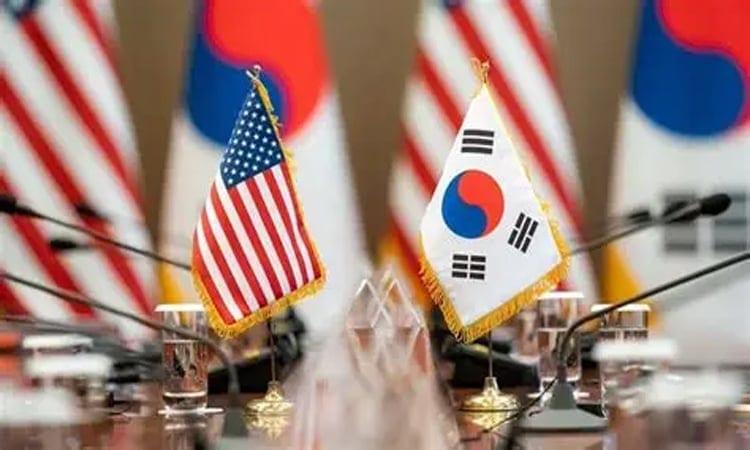
Trump's decision to meet Kim Jong Un is significant, especially given the current geopolitical climate. The US President stated that Pyongyang now possesses 57'very powerful' nuclear weapons, a figure that aligns with previous US government assessments. Despite this, the US does not officially recognize North Korea as a nuclear state. Trump's announcement has raised eyebrows among Asian allies, who are concerned about the scaling back of joint US-South Korean military drills. These exercises, designed to prepare for a potential North Korean attack, have long been a point of contention for Pyongyang.
Background and Context
Trump's relationship with Kim Jong Un has been a focal point of his foreign policy. During his first term, the two leaders met three times, with their last summit occurring in 2019. Although these meetings garnered significant media attention, they yielded few concrete results on the nuclear issue. Trump has now brought the issue back to the forefront by announcing a reduction in 'hostile' military drills with South Korea, a move he attributed to his rapport with Kim. This decision has been met with mixed reactions, particularly from North Korea's powerful sister, Kim Yo Jong, who claimed to be unaware of any communication between her brother and Trump.
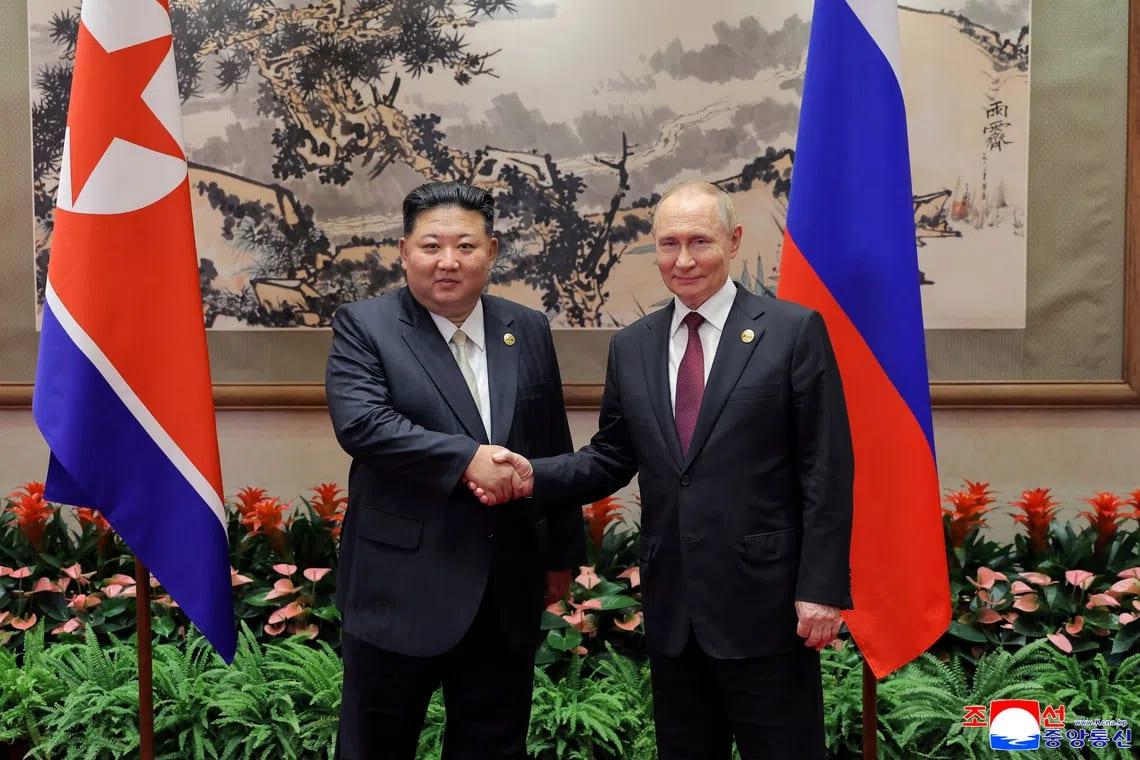
The announcement of a potential meeting between Trump and Kim Jong Un is set against the backdrop of ongoing tensions in the region. North Korea's deployment of troops to support Russia in its war against Ukraine and the signing of a mutual defense treaty with Moscow in 2024 further complicate the situation. Despite these developments, Trump remains optimistic about his relationship with Kim, stating that he 'gets along with him very well.' This optimism is echoed by Kim Yo Jong, who described the relationship between the two leaders as 'excellent.'
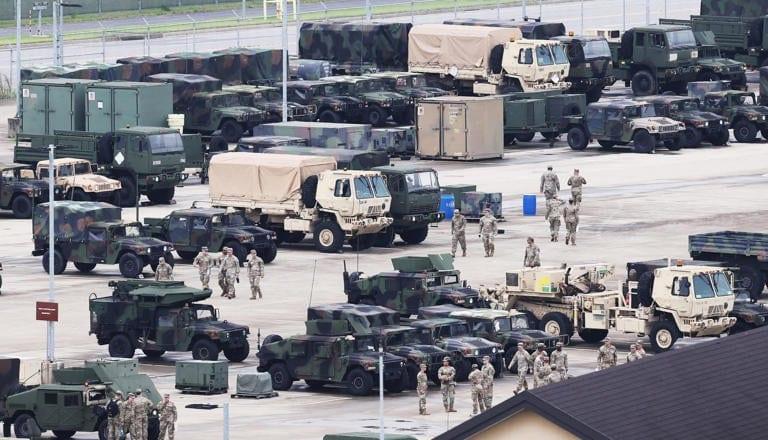
The potential meeting between Trump and Kim Jong Un later this year could have significant implications for regional security and US foreign policy. As Trump continues to wage a war with Iran, justified on the grounds of preventing Tehran from acquiring nuclear capabilities, his focus on North Korea adds another layer of complexity to the situation. The US maintains a substantial military presence in South Korea, with approximately 28,500 troops stationed there to bolster the country's defenses. This presence is a legacy of the 1950-53 Korean War, which ended with an armistice rather than a peace treaty. Trump's criticism of longstanding US alliances and his unpredictable foreign policy decisions continue to raise concerns among regional partners.