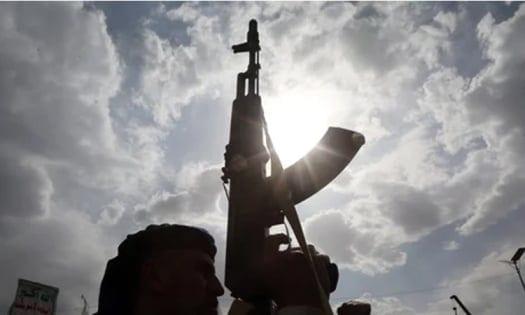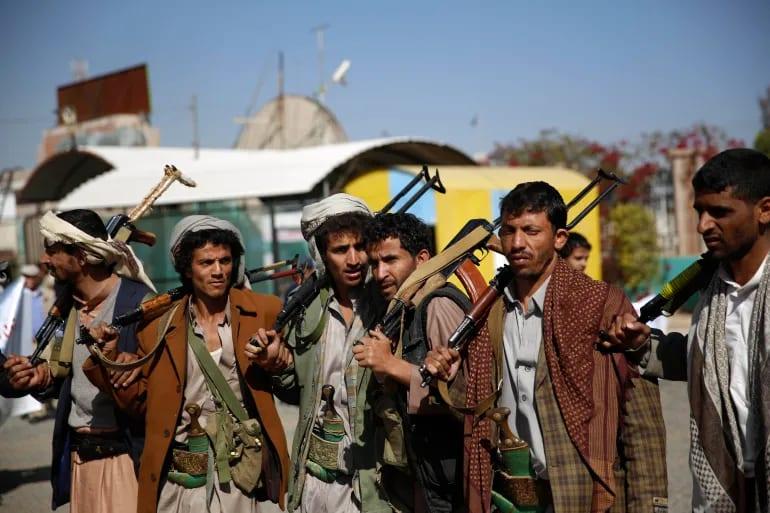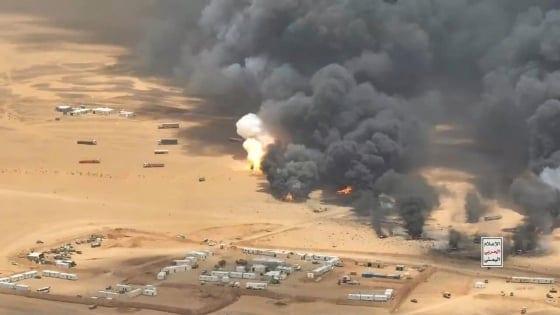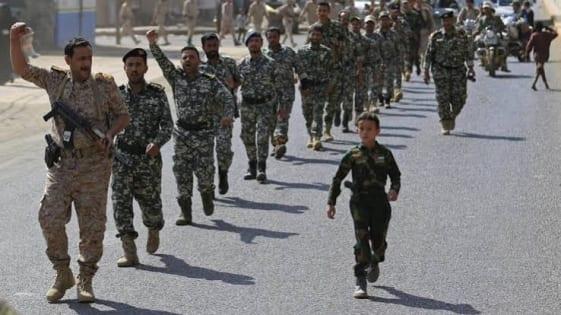
Yemen's Houthis have seized control of the strategic Red Sea port city of Mokha, according to a Yemeni military source. The Iran-backed group launched a large-scale offensive against Yemeni government forces, who are supported by Saudi Arabia. Witnesses reported seeing Houthi forces entering Mokha while chanting anti-American and anti-Israeli slogans. The Houthis are now advancing towards the Bab al-Mandab strait, a critical waterway linking Asia to Europe via the Red Sea and Suez Canal.
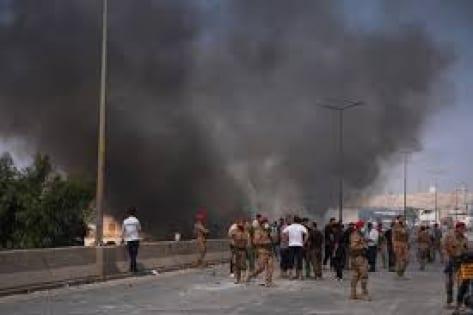
The seizure of Mokha comes amid heightened tensions in the region following the Middle East war that began with US-Israeli strikes on Iran in late February. The Houthis have also launched attacks on Saudi territory, resulting in dozens of casualties. In response, Saudi forces have conducted numerous airstrikes in various Yemeni governorates, including Taiz, Hodeida, Al-Jawf, and Marib.
Yemen has seen a resurgence of conflict since July, with fighting leaving over 500 dead, mostly combatants, and forcing nearly 20,000 people to flee their homes. The International Organization for Migration reported the displacement on Tuesday. The Houthis' capture of Mokha and Zuqar Island in the southern Red Sea marks a significant escalation in the ongoing hostilities.
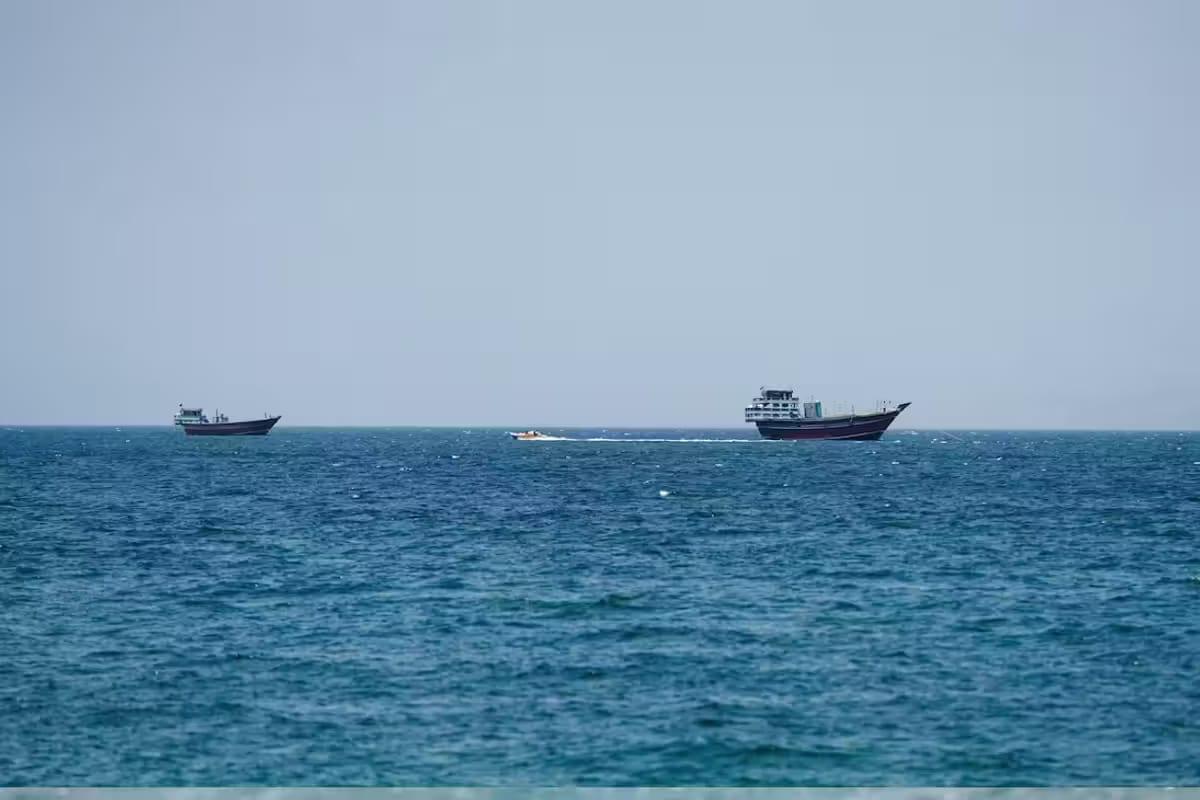
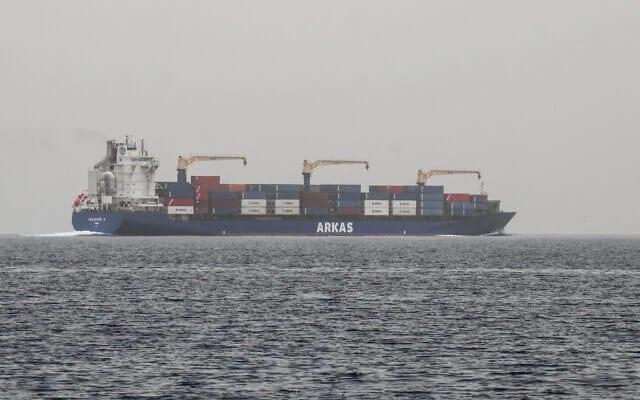
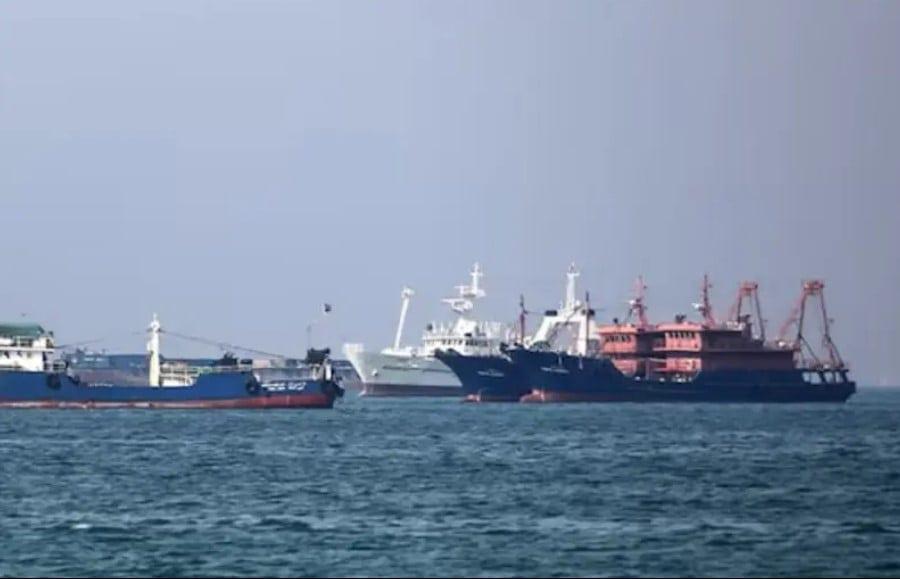
The Bab al-Mandab strait has become increasingly important as a transit route since the start of the wider Middle East war. The strait's significance has grown further as Iran blockaded the Strait of Hormuz. The Houthis' control of Mokha and their advance towards the strait could have substantial implications for international shipping and global trade routes.
The conflict in Yemen, which has been ongoing since 2015, saw a United Nations-brokered ceasefire in 2022. However, the recent escalation risks returning the country to a full-scale war that has already left hundreds of thousands dead and created one of the world's worst humanitarian crises. The Houthis, who control large parts of northwest Yemen, have been in conflict with the Saudi-led coalition since seizing Yemen's capital and forcing out the internationally recognized government.
For Bangladesh, the situation in Yemen and the broader Middle East conflict could have indirect economic impacts, particularly on shipping routes and oil prices. The stability of global trade routes and energy supplies is crucial for Bangladesh's economy, which relies heavily on imports and exports.