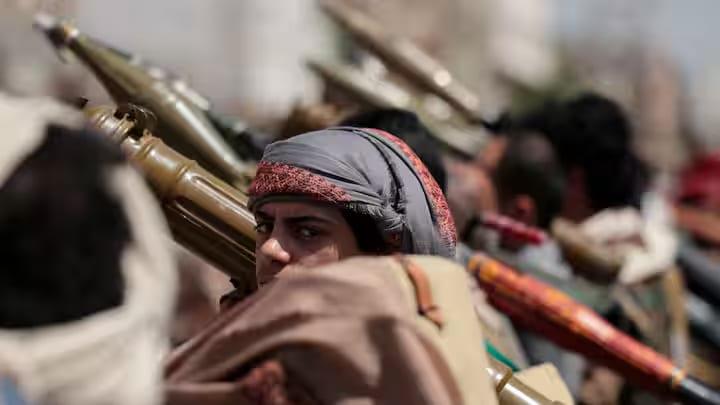
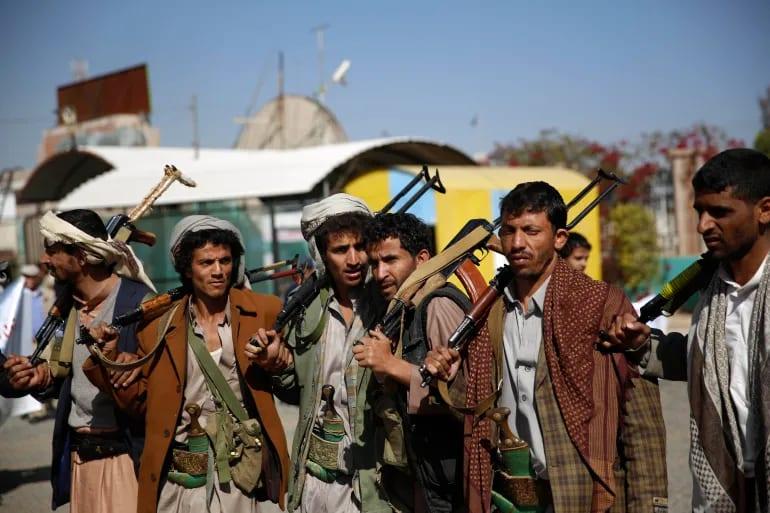
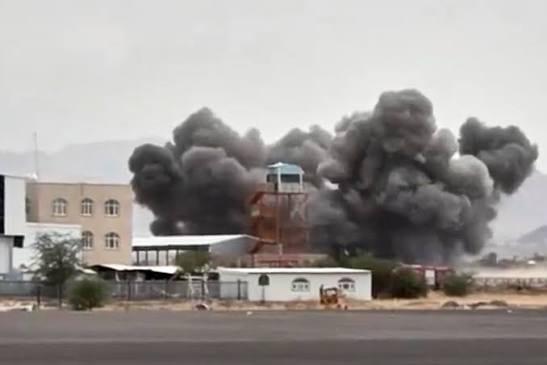
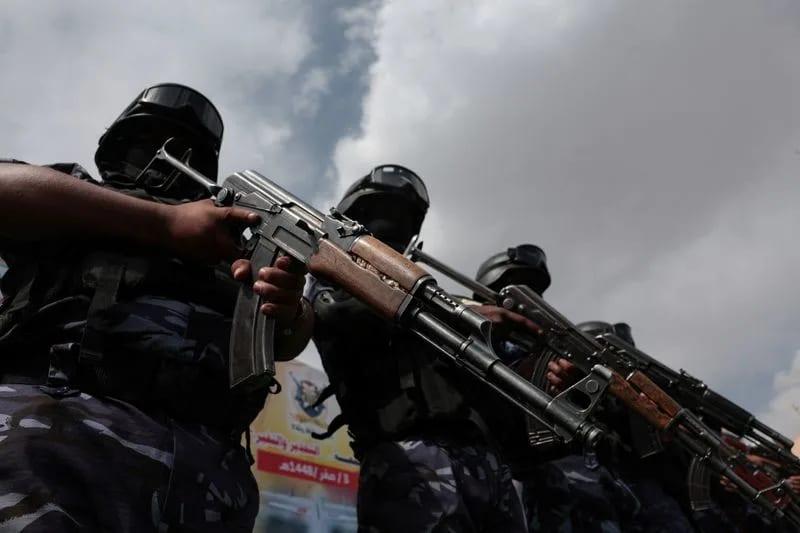
Over 81 combatants have been killed in Yemen since Thursday as clashes between Houthi rebels and government forces intensify. The deaths include 24 government soldiers on the Red Sea coast, 15 in the inland Taiz area, and at least 42 Houthi militants. The fighting erupted after Houthi forces launched a ground assault accompanied by rocket and drone attacks near coastal areas in the Red Sea and around Taiz. Military sources report the rebels are attempting to cut off the key port city of Mokha and advance towards areas bordering the strategic Bab al-Mandab strait.
Background of the Conflict
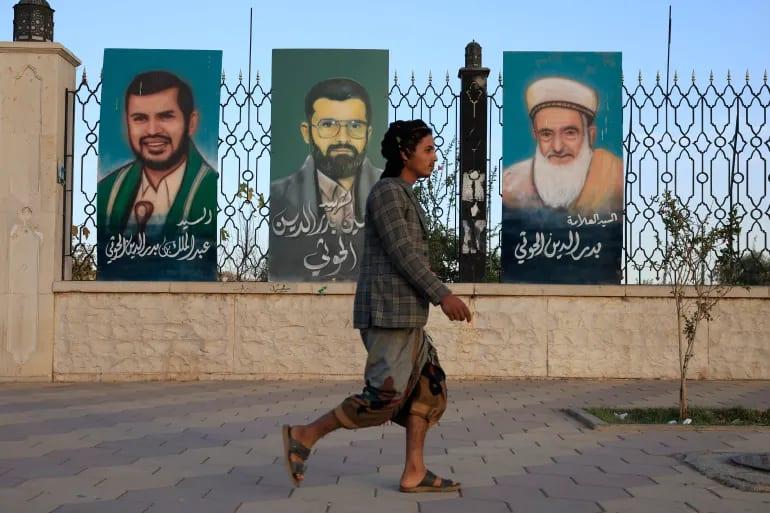
Yemen has been embroiled in a civil conflict for more than a decade. The recent escalation began in July when the Houthis upended a 2022 truce with the Saudi-backed government, drawing Yemen into the broader Middle East war. The Houthi rebels, aligned with Iran, have been fighting against the internationally recognized Yemeni government, supported by a Saudi-led coalition. The conflict has led to one of the world's worst humanitarian crises, with millions displaced and in need of aid.
Strategic Importance of the Region
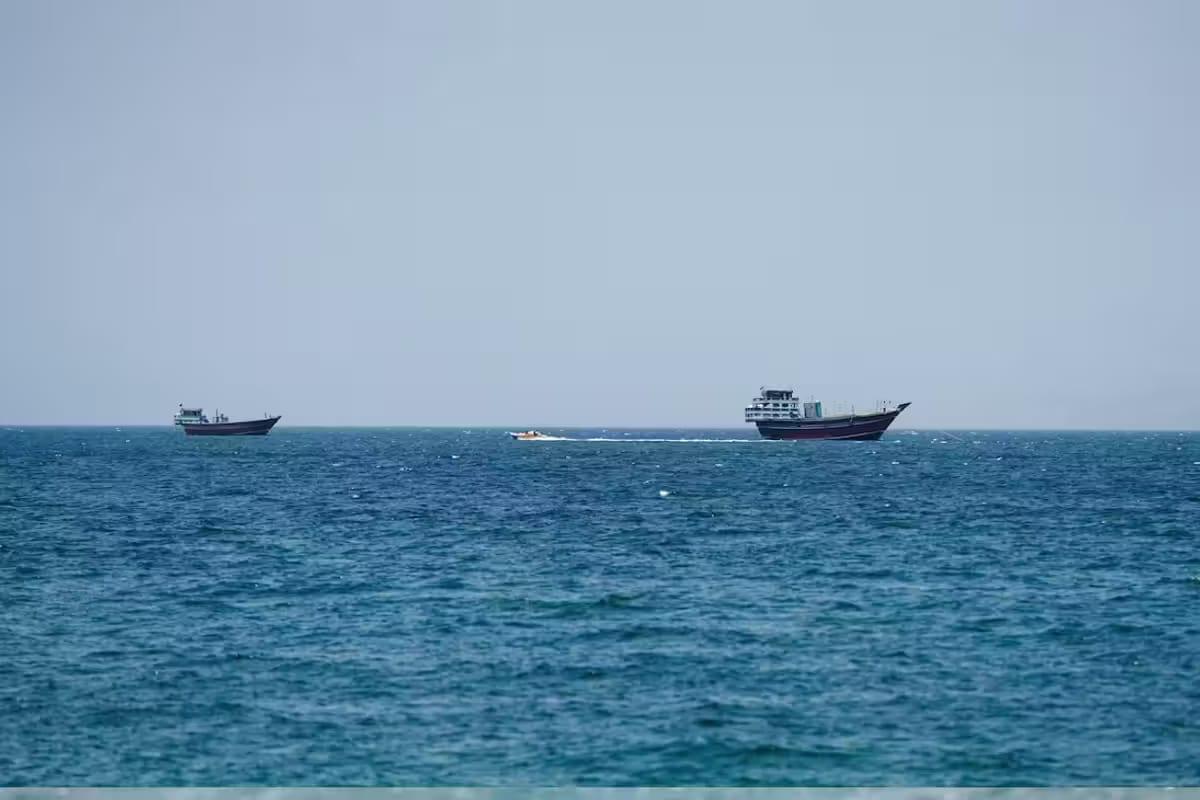
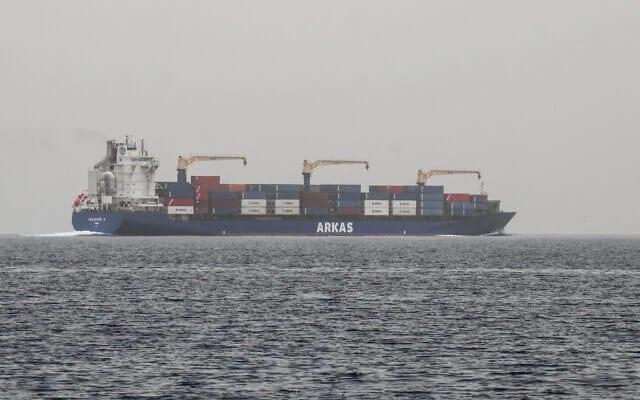
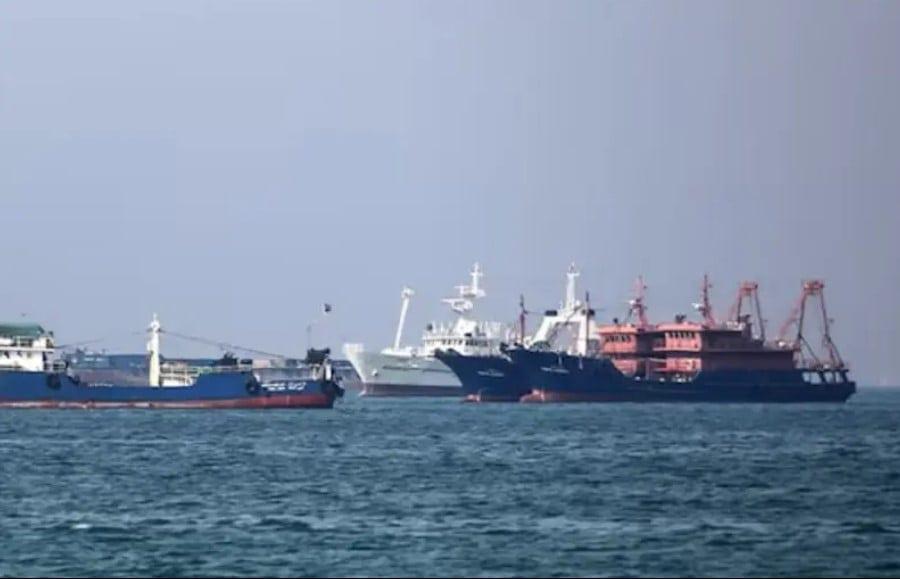
The Bab al-Mandab strait is a critical maritime chokepoint connecting the Red Sea to the Gulf of Aden and the Arabian Sea. It is one of the world's most important waterways for global trade, with thousands of ships passing through it annually. Control over this area is vital for both economic and strategic reasons, making it a focal point in the ongoing conflict. The Houthis' attempt to gain control over this region underscores the high stakes involved in the conflict.
Humanitarian Impact
The recent escalation in violence has exacerbated the humanitarian crisis in Yemen. Civilians bear the brunt of the conflict, with access to basic services like food, water, and medical care severely limited. International aid organizations are struggling to provide assistance due to the ongoing fighting and restrictions imposed by both sides. The United Nations and other humanitarian agencies are calling for an immediate ceasefire to allow for the delivery of aid and the protection of civilians.