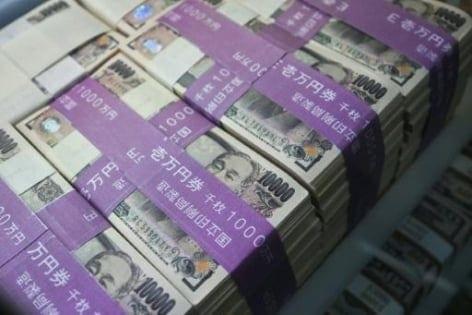
Japanese car giant Toyota has raised its profit forecasts for the year, attributing the improvement to the weak yen, which has helped offset the impacts of the Middle East conflict and increased competition from Chinese automakers. The announcement comes days after Japan and the United States intervened in financial markets to support the yen, which had hit its lowest level against the dollar since 1986.
For the fiscal year ending March 31, 2027, Toyota now expects net income of 3.25 trillion yen ($20.6 billion), up from its previous projection of 3.0 trillion yen. The company also raised its operating income forecast to 3.4 trillion yen and predicted revenues of 54.0 trillion yen, a 6.5 percent increase from the previous year.
Despite these positive revisions, Toyota's first-quarter net income showed a 75.6 percent surge to 1.5 trillion yen, surpassing market expectations. However, operating income fell 8.8 percent to 1.1 trillion yen, marking the fifth consecutive quarterly drop. Revenues rose 10.4 percent to 13.5 trillion yen.
Toyota cited currency effects, cost reductions, and higher sales of hybrid electric vehicles as factors that helped mitigate the challenges posed by the Middle East conflict. The company has been forced to develop alternative logistics routes, such as detouring around the Cape of Good Hope, to maintain supply chains amid the conflict.
The weak yen has dual effects on Japanese exporters like Toyota. While it inflates import costs for Japan, it also means that overseas earnings convert into more yen and allows companies to price their products more competitively in global markets. This dynamic has been particularly beneficial for Toyota as it faces heightened competition and geopolitical uncertainties.