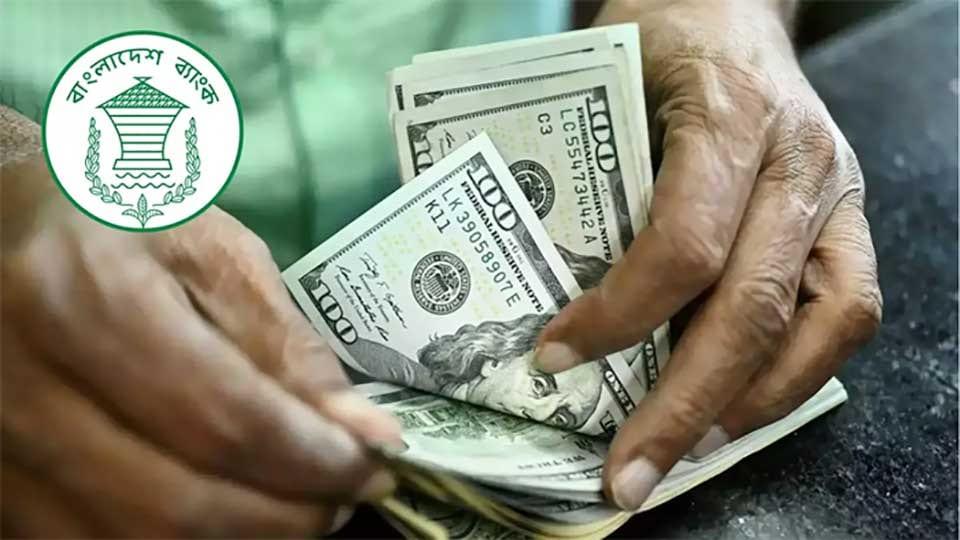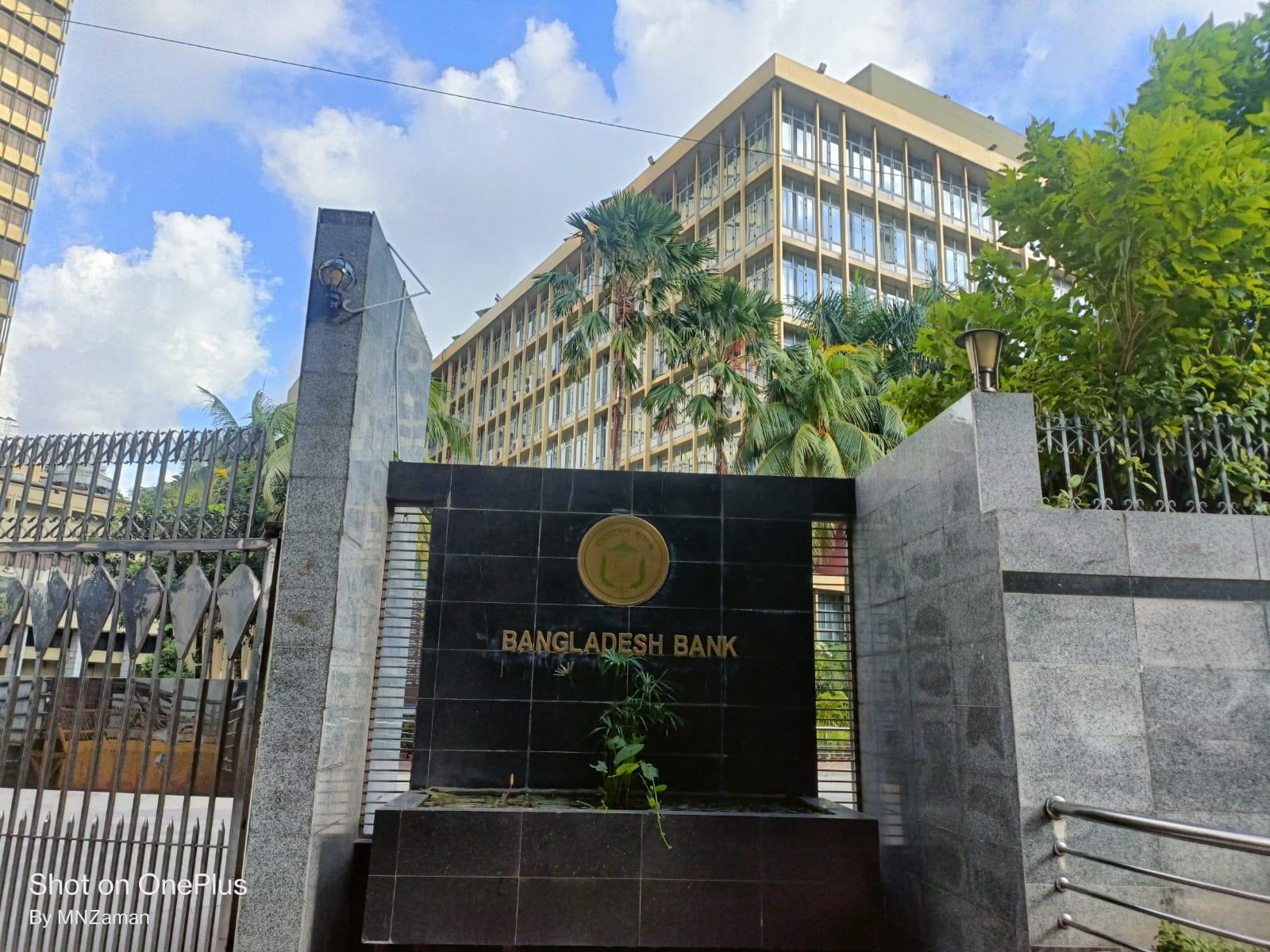
Bangladesh's foreign exchange reserves have reached a significant milestone, now standing at US$37.25 billion (gross), as reported by Bangladesh Bank (BB). This development marks a substantial increase in the country's financial cushion against external economic shocks. The gross reserves include all assets that can be readily converted into cash and are used to support the nation's currency, facilitate international trade, and meet foreign debt obligations.
Under the International Monetary Fund's Balance of Payments Manual 6 (BPM6) methodology, the reserves amount to US$32.44 billion. This distinction is crucial as BPM6 provides a more refined measure of a country's liquid financial assets, excluding certain assets that may not be immediately convertible to cash. The BPM6 figure is often used by international financial institutions to assess a country's economic stability.
The rise in foreign exchange reserves is a positive indicator for Bangladesh's economic health. It reflects increased foreign exchange earnings, possibly from exports, remittances, and foreign direct investment. A higher reserve level enhances the country's ability to manage economic fluctuations, maintain a stable exchange rate, and ensure adequate import cover.
Foreign exchange reserves play a critical role in a nation's economy. They are used to intervene in the foreign exchange market to stabilize the currency, pay for imports, and meet international obligations. For Bangladesh, a country heavily reliant on imports for essential goods and machinery, robust reserves are vital to ensure economic stability and growth.
The increase in reserves also suggests that Bangladesh's economic policies may be yielding positive results. Effective management of foreign exchange reserves is essential for maintaining investor confidence, attracting foreign investment, and ensuring long-term economic stability. It allows the country to weather global economic uncertainties and maintain a favorable business environment.
For the average Bangladeshi, higher foreign exchange reserves mean greater economic security. It translates to more stable prices for imported goods, a more stable currency, and potentially lower inflation. It also provides a buffer against external shocks, such as fluctuations in global oil prices or changes in international trade policies.
In conclusion, the rise in Bangladesh's foreign exchange reserves to $37.25 billion is a significant achievement. It underscores the country's growing economic strength and resilience. As Bangladesh continues to develop and integrate into the global economy, maintaining and growing these reserves will be crucial for sustained economic progress and stability.