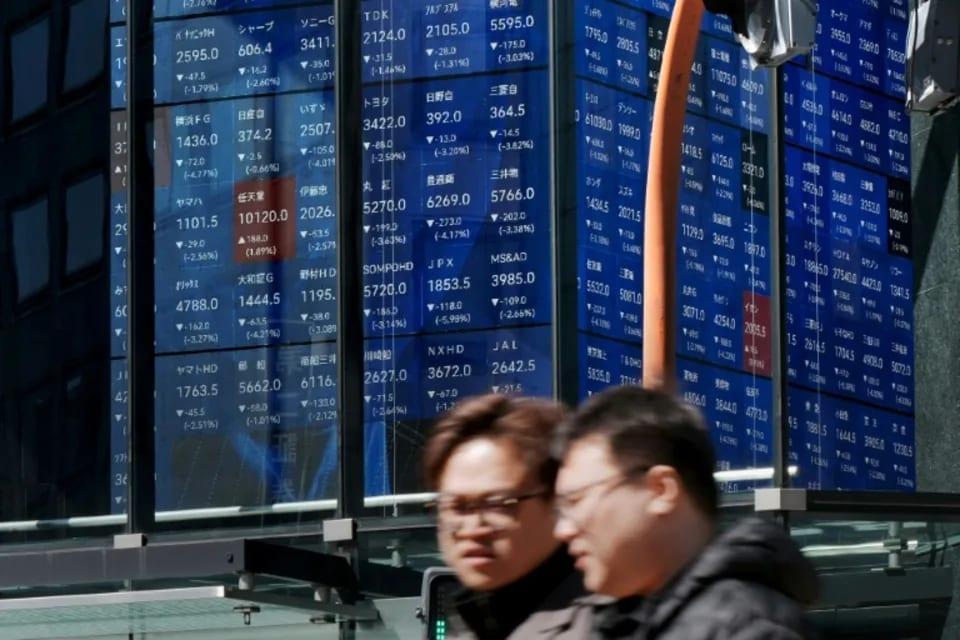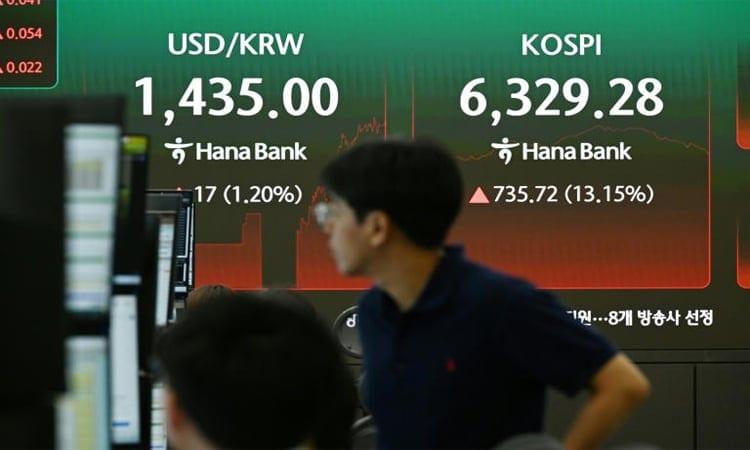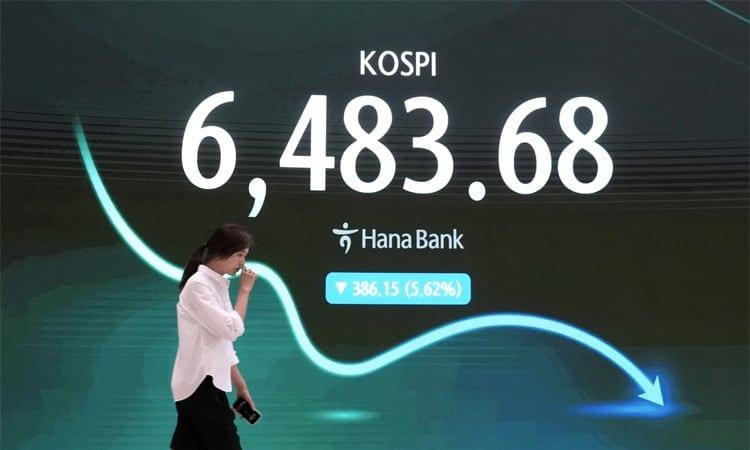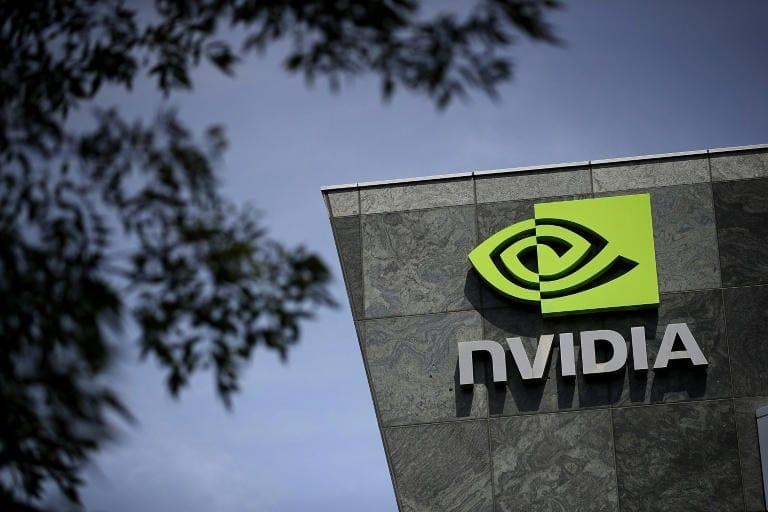
Asian stocks mostly advanced on Friday, with Tokyo, Hong Kong, Shanghai, Sydney, Singapore, Jakarta, and Taipei all seeing gains. This comes ahead of a closely watched speech by Federal Reserve Chair Kevin Warsh, where investors hope to gain insights into the outlook for US interest rates amid ongoing inflation and the Middle East crisis. The tech sector struggled to extend Thursday's rally driven by Nvidia's earnings, as attention shifts back to economic factors.
The Federal Reserve's last meeting saw policymakers maintain borrowing costs, though three dissented in favor of a hike. Inflation, though slightly easing, remains well above the two percent target, largely driven by elevated energy costs due to the Iran war. This has increased long-term Treasury yields, making government borrowing more expensive.
Investors are particularly interested in Warsh's speech at the annual meeting of central bankers and economic leaders in Jackson Hole, Wyoming. His previous appearance after the July meeting was criticized for its ambiguous message, and analysts warn that his reluctance to provide forward guidance may leave investors disappointed. Stephen Innes at Quintex Intel noted that this speech is 'the most consequential central bank speech left this year', coming just before the next policy announcement.
Recent economic data have somewhat reduced the immediate need for tighter policy, allowing Warsh to reinforce the Fed's inflation-fighting message without signaling imminent action. However, inflation has remained above target for six consecutive years, and Fed officials are debating whether further tightening may still be necessary.
Despite the overall positive trend in Asian markets, Seoul, Wellington, and Manila saw declines. Wall Street also provided a positive lead, with all three main indexes rising, though gains were concentrated in the tech sector. Oil prices edged down but remain volatile as investors await a resolution to reopen the Strait of Hormuz, through which about a fifth of the world's oil passes.
US officials have promised further economic pressure on Iran to open the waterway after six months of war, but a diplomatic solution remains elusive. The ongoing conflict and its impact on global oil supply continue to pose risks to market stability.