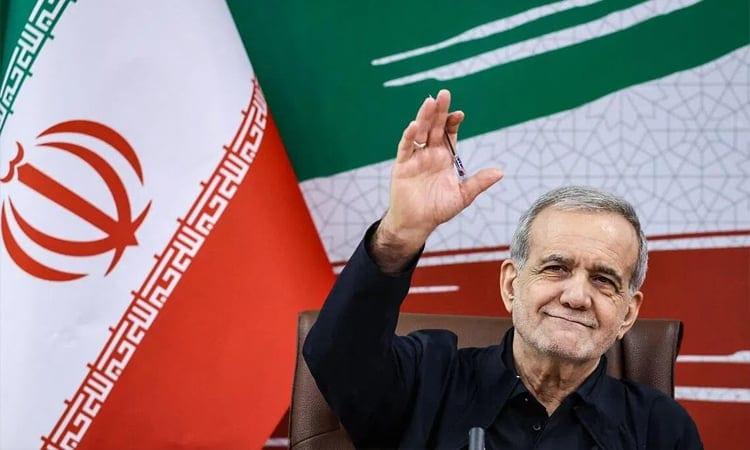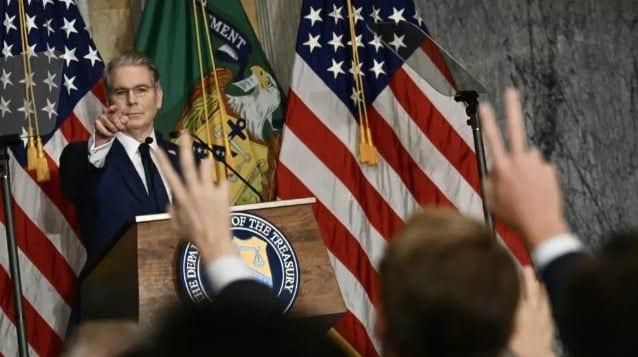
The United States has escalated its threat to economically asphyxiate Iran, but analysts assert that achieving this goal would necessitate improbable cooperation from China. Almost six months into the Middle East conflict, Washington has outlined plans to broaden sanctions against Iran, cautioning that any nation continuing to support Tehran would face global isolation. China, which has already been affected by the US sanctions, has defended its collaboration with Iran and vowed to protect its interests. This standoff is expected to further strain Sino-American relations, particularly ahead of Chinese President Xi Jinping's anticipated visit to the US capital in September.
China's Strategic Importance
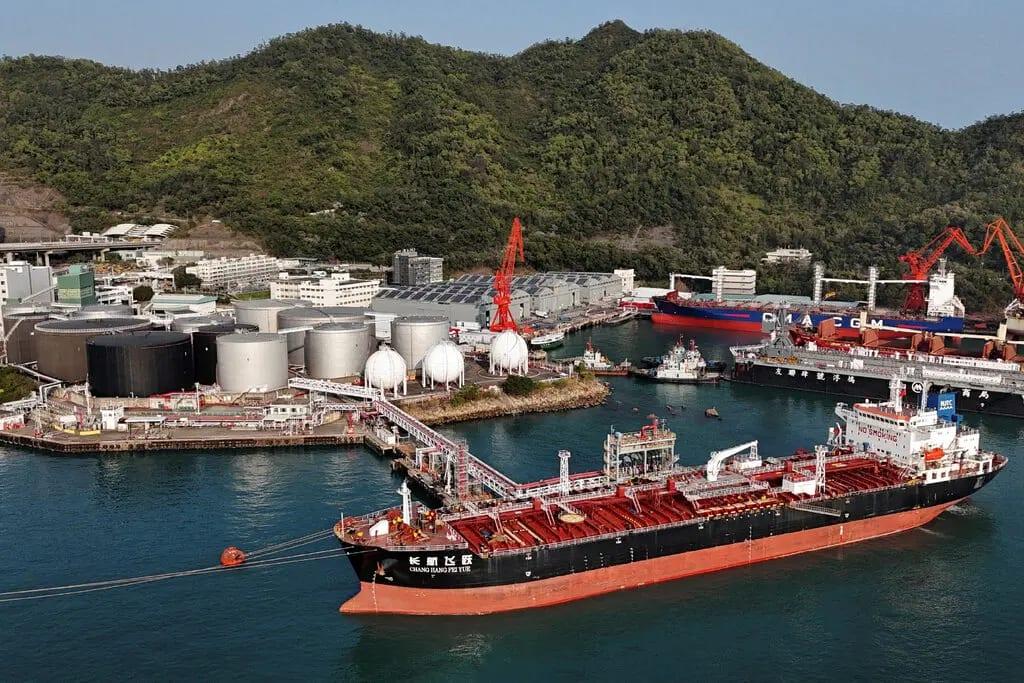
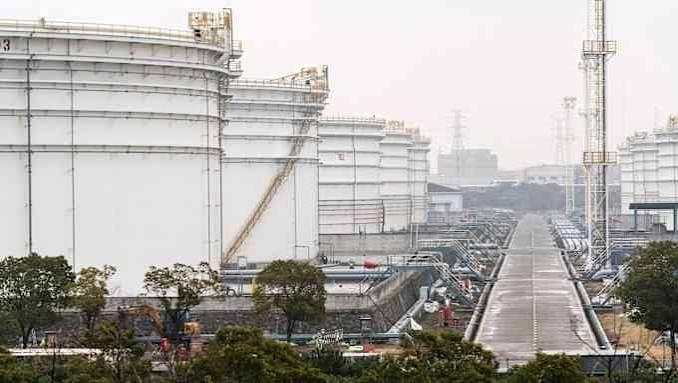
China plays a crucial role in Iran's economy, being a primary buyer of Iranian oil. Before the war, Iran exported millions of barrels of oil daily, with a significant portion going to China. Political scientist Dylan Loh of Singapore's Nanyang Technological University noted that severing Iran's economic ties would undeniably require China's assistance. Additionally, a substantial amount of Sino-Iranian trade is conducted in the Chinese currency, the renminbi, which can circumvent US sanctions.
US Sanctions and Chinese Response
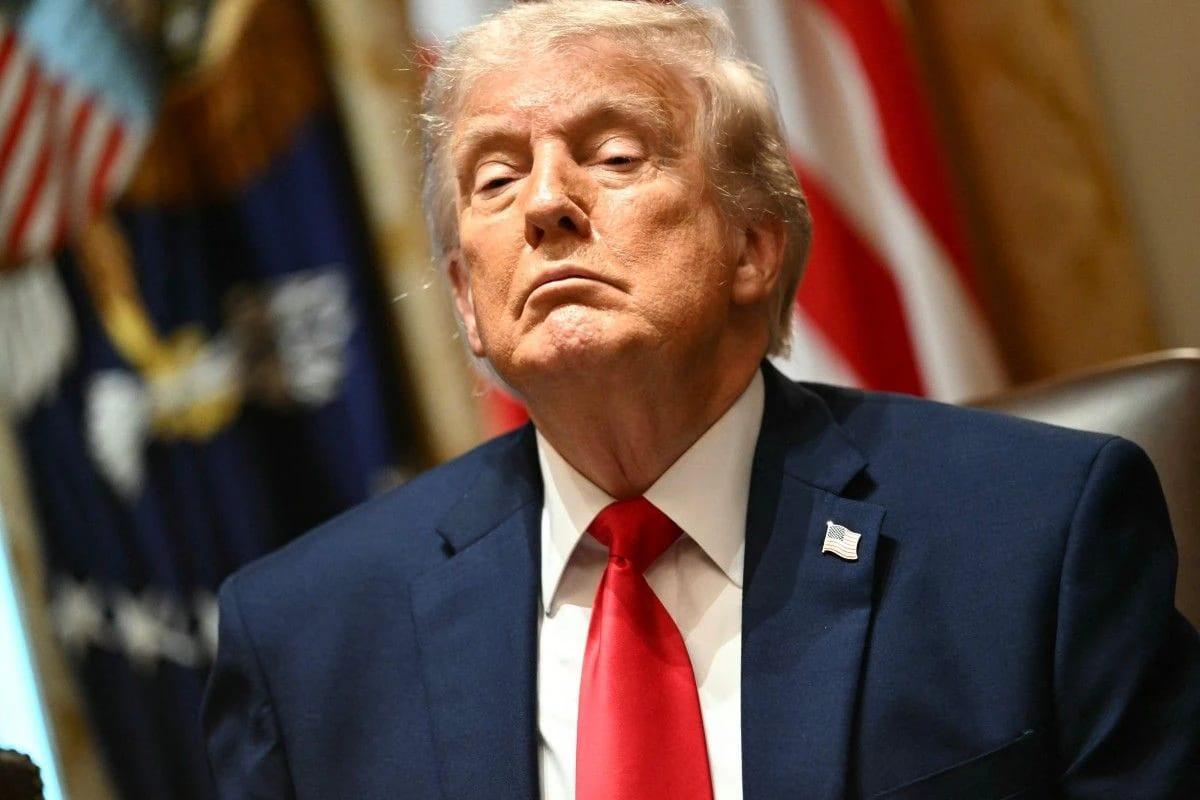
Although the US has imposed sanctions on certain Chinese entities accused of aiding Iran in procuring critical technology, it has refrained from targeting major Chinese financial institutions. Treasury Secretary Scott Bessent warned Beijing to align with US efforts, but China has remained steadfast in its support for Iran. China's foreign ministry asserted that its cooperation with Iran is within the bounds of international law and should not be disrupted.
Economic and Strategic Considerations
China's continued support for Iran is driven by both economic and strategic considerations. Iran has long navigated sanctions using intricate international financial networks. Professor Sun Degang of Shanghai's Fudan University highlighted that despite reduced Chinese purchases, Iran remains a vital revenue source for China. Moreover, China has alternative trade routes through Central Asia, ensuring it is not entirely cut off from Iranian crude oil.
Implications for US-China Relations
The impasse over Iran sanctions is likely to exacerbate tensions between the US and China. Chong Ja Ian, an associate professor of political science at the National University of Singapore, argued that China has little incentive to cooperate with the US on sanctions. Beijing appears confident in its ability to counter US pressure, having expanded its capacities to handle such scenarios. The US may need to offer incentives for China to join its campaign against Iran, but this seems improbable given the current state of Sino-American relations.