The Pulse Today
BREAKING
Sajib Pledges Aid for 50,000 Flood-Affected People in SonargaonMP Azharul Islam Mannan Distributes Relief Funds to Needy Families in SonargaonParliament Proposes Anti-Gambling Bill with Maximum 7-Year Prison PenaltyOpenAI Unveils 'Schedule' Feature to Boost Task Management in AI ChatbotPrime Minister Tareq Rahman Arrives in Dalian, China for Economic ForumEurope Confronts Intense Heatwave; Conditions Predicted to DeteriorateGold Prices Rise Again in Bangladesh Amid Global Market IncreaseSpaceX's Nasdaq Debut Values Company at Over $2 Trillion, Surpassing AmazonStudy Reveals AI Data Centers Contribute to Local Temperature IncreasesNarayanganj BNP Youth Wing Holds Rally to Welcome New Central CommitteeFive Key Leaders to Miss Pacific Islands Summit Due to Heightened Regional TensionsStocks Decline as Warsh Signals Possible US Rate Hike; Crude Prices Surge Amid US-Iran TensionsUS-Iran Tensions Rise: American Strikes Lead to Tehran RetaliationGoogle Maps Updates: Lake Ontario Now Appears as 'Lake America' for US UsersMerz Cautions Far-Right Government Could Harm Eastern German Region8 Confirmed Dead, Dozens Missing After Ferry Capsizes Off Northern CyprusMaduro Shares Detention Photos, Asserts SteadfastnessBellingham and Mbappe Star in Real Madrid's Commanding 4-0 Victory Over MalagaTwo Crew Members Missing After French Fishing Boat Sinks in English ChannelUS Treasury Restricts Press Access to G20 Finance Meeting in AshevilleEl Salvador Delays Sentencing for 485 Alleged MS-13 Gang MembersPutin and Xi Jinping to Attend SCO Summit in KyrgyzstanNepal buries flood victims and intensifies search for thousands missing after disasterMinister Dulu Advocates Technical Education for Youth Self-EmploymentUS Ambassador Brent Christensen Tours Teesta Barrage Project in Dalia

Stocks Decline as Warsh Signals Possible US Rate Hike; Crude Prices Surge Amid US-Iran Tensions

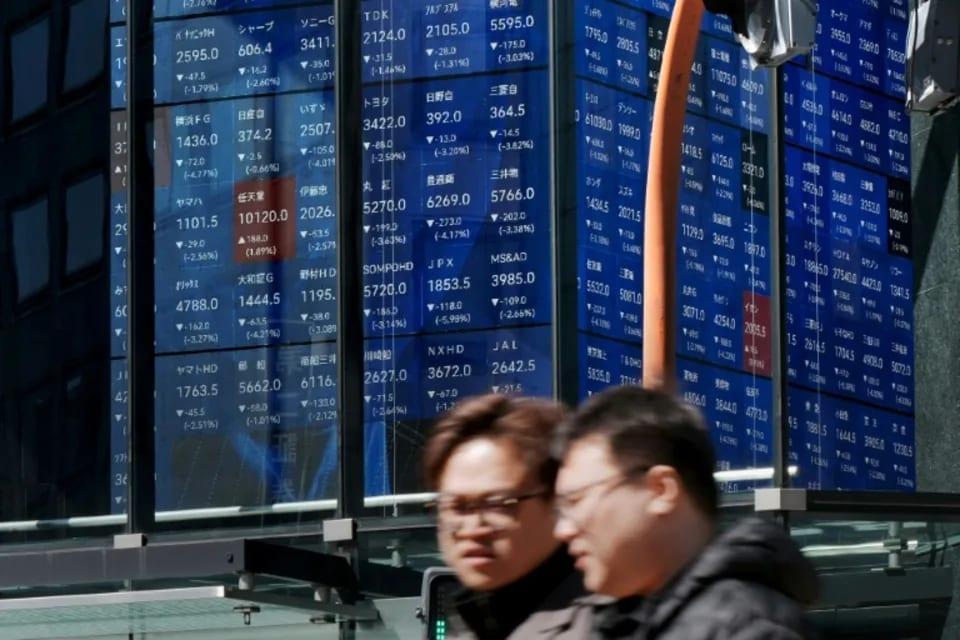
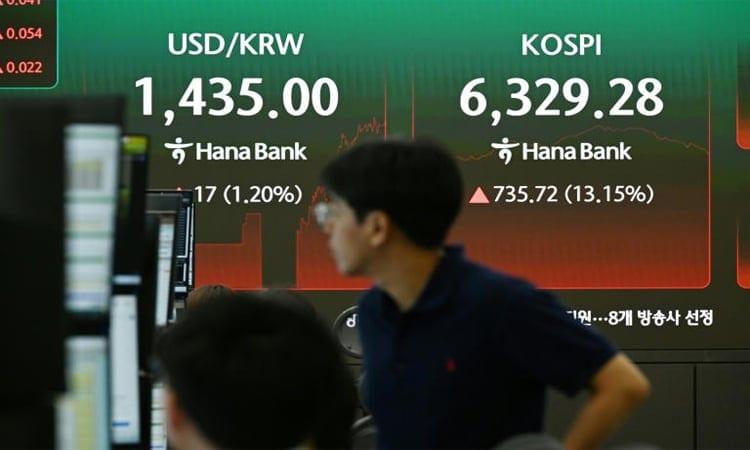
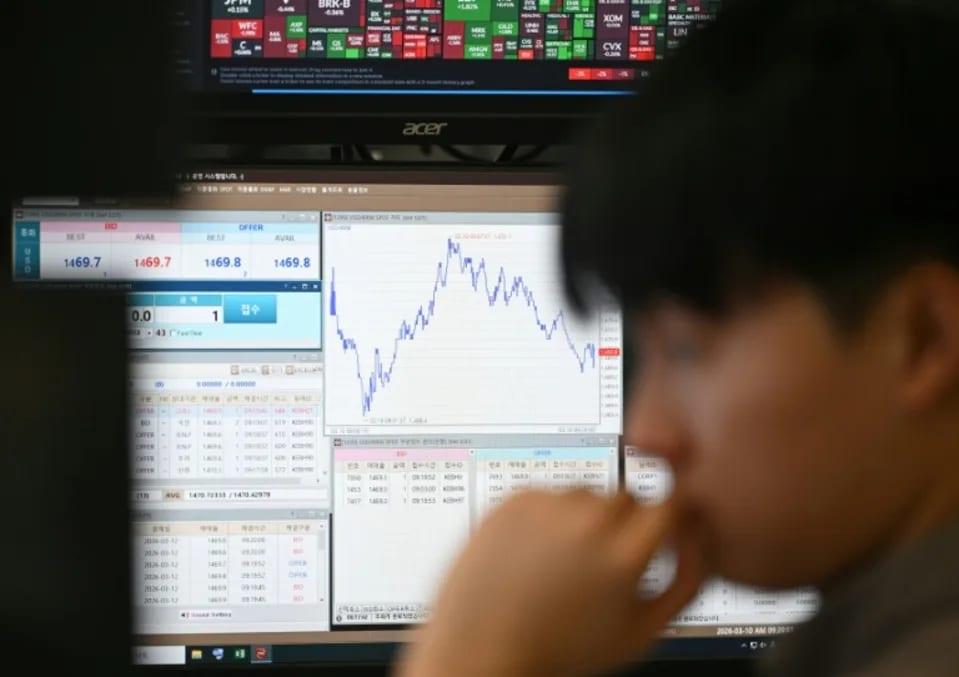
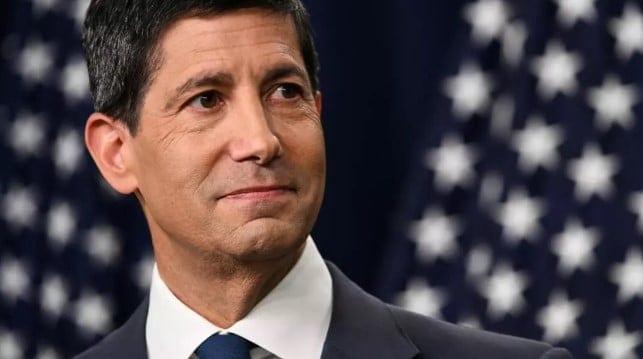
Asian stocks experienced a downturn as Federal Reserve Chair Kevin Warsh's hawkish comments increased speculation about a potential US interest rate hike, while oil prices surged following renewed hostilities between the US and Iran.

By Staff Correspondent
Share
Stocks drop as Warsh fans US rate hike bets, crude up on US-Iran strikes | Business
BSS

Asian stock markets saw declines on Monday as Federal Reserve Chair Kevin Warsh's comments heightened expectations of a US interest rate hike. This comes amid persistently high inflation, largely driven by elevated energy costs. In a speech at the Jackson Hole symposium, Warsh signaled a readiness to increase borrowing costs if necessary, emphasizing the need for underlying inflation to move towards the Fed's objective. His comments have added to market uncertainty, with investors closely watching upcoming economic data releases.

Simultaneously, oil prices spiked following renewed tensions between the US and Iran. The US carried out strikes on Iranian rocket launchers in the Strait of Hormuz, prompting retaliatory attacks by Iran on US military targets in Jordan. These events have reignited concerns about the ongoing conflict and its impact on global oil supply, particularly as the Strait of Hormuz is a critical passage for a significant portion of the world's crude and gas. The volatility in oil prices underscores the delicate balance between geopolitical events and market stability.

The combination of Warsh's comments and the US-Iran conflict has created a volatile environment for global markets. Investors are now focusing on upcoming data releases, including jobs reports and the consumer price index, to gauge the Fed's next move. The interplay between monetary policy decisions and geopolitical events continues to shape market dynamics, with significant implications for both investors and economies worldwide.

FAQs

- **Why did Asian stocks fall?** Asian stocks fell due to hawkish comments from Federal Reserve Chair Kevin Warsh, which increased speculation about a potential US interest rate hike. This uncertainty, coupled with high inflation driven by energy costs, contributed to the market downturn.

- **What caused the spike in oil prices?** The spike in oil prices was caused by renewed hostilities between the US and Iran. US strikes on Iranian rocket launchers in the Strait of Hormuz, followed by Iranian retaliatory attacks on US military targets in Jordan, heightened concerns about the conflict's impact on global oil supply.

- **How did Warsh's comments impact market expectations?** Warsh's comments signaled a readiness to increase borrowing costs if necessary, adding to market uncertainty. His emphasis on the need for underlying inflation to move towards the Fed's objective has led investors to closely watch upcoming economic data releases for clues about the Fed's next move.

- **What are the implications of the US-Iran conflict for global markets?** The US-Iran conflict has significant implications for global markets, particularly in terms of oil prices and market stability. The Strait of Hormuz, a critical passage for global crude and gas, remains a point of concern, with any disruptions potentially leading to further volatility in oil prices and broader market impacts.
Source: BSS

FAQ

Why did Asian stocks fall?
Asian stocks fell due to hawkish comments from Federal Reserve Chair Kevin Warsh, which increased speculation about a potential US interest rate hike. This uncertainty, coupled with high inflation driven by energy costs, contributed to the market downturn.
What caused the spike in oil prices?
The spike in oil prices was caused by renewed hostilities between the US and Iran. US strikes on Iranian rocket launchers in the Strait of Hormuz, followed by Iranian retaliatory attacks on US military targets in Jordan, heightened concerns about the conflict's impact on global oil supply.
How did Warsh's comments impact market expectations?
Warsh's comments signaled a readiness to increase borrowing costs if necessary, adding to market uncertainty. His emphasis on the need for underlying inflation to move towards the Fed's objective has led investors to closely watch upcoming economic data releases for clues about the Fed's next move.
What are the implications of the US-Iran conflict for global markets?
The US-Iran conflict has significant implications for global markets, particularly in terms of oil prices and market stability. The Strait of Hormuz, a critical passage for global crude and gas, remains a point of concern, with any disruptions potentially leading to further volatility in oil prices and broader market impacts.

Topics

Comments

Related stories

More in business

See all →

Latest stories