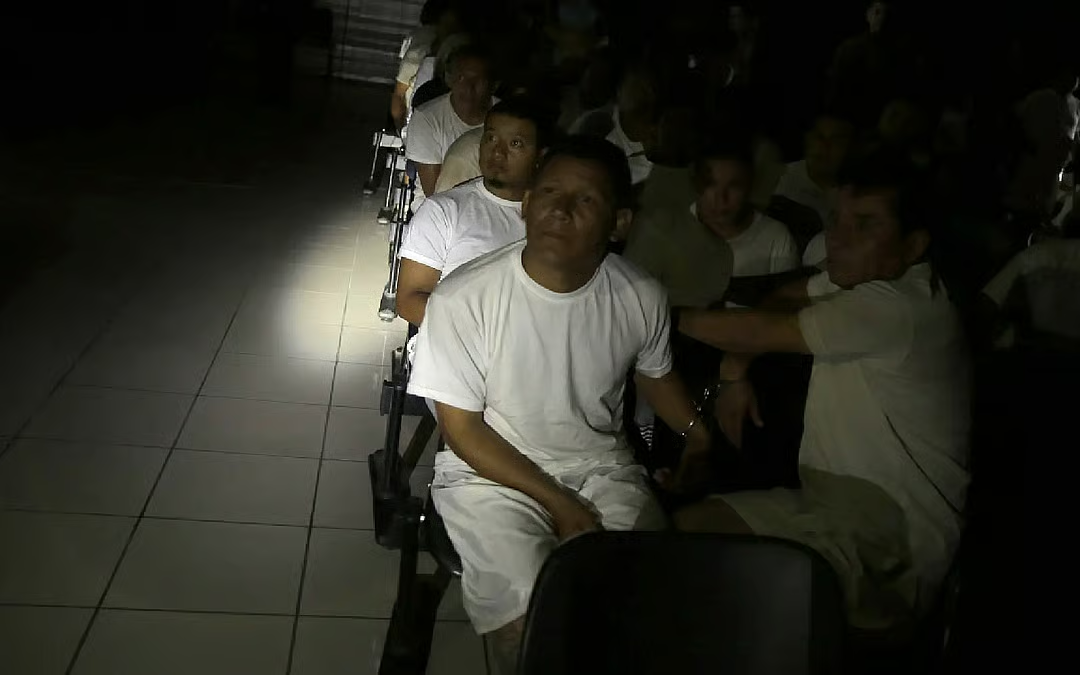
El Salvador has postponed the sentencing of 485 alleged MS-13 gang leaders, who faced thousands of years in prison. The verdicts, initially scheduled for Monday, have been suspended without explanation. A new date will be announced later. This mass trial is part of President Nayib Bukele's hardline crackdown on gangs, which has seen over 90,000 people detained since 2022.
Background on the Trial
The trial involves alleged leaders of the Mara Salvatrucha gang (MS-13), one of Central America's most powerful criminal organizations. The defendants face over 47,000 charges, including homicide, femicide, extortion, drug trafficking, and forced disappearances. Max Munoz, deputy organized crime prosecutor, previously announced that the court would impose "sentences of thousands of years" on the defendants.
Government Crackdown on Gangs
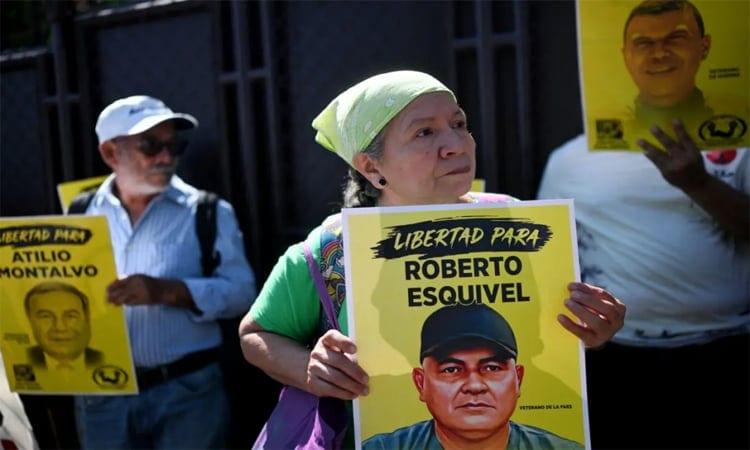
President Nayib Bukele has launched an unprecedented crackdown on crime, enjoying strong popularity for his hardline policies. Since declaring a war on gangs in 2022, over 90,000 people have been detained in extrajudicial circumstances. Human rights groups accuse the government of committing crimes against humanity and imprisoning innocent people. According to Amnesty International, hundreds of people have died in custody.
International Context and Criticism
MS-13 is considered a terrorist organization by the United States. Bukele has compared the mass trials to the Nuremberg trials of Nazis in the 1940s. The international community watches closely as the crackdown raises concerns about human rights violations and the rule of law. The postponement of the verdicts adds another layer of uncertainty to the ongoing saga.
Why This Matters for Bangladesh
The situation in El Salvador highlights the global challenge of combating organized crime and the complexities of balancing security measures with human rights. For Bangladesh, which faces its own issues with crime and security, the El Salvador example offers both cautionary lessons and potential strategies. Understanding international approaches to gang violence can inform local policies and practices.