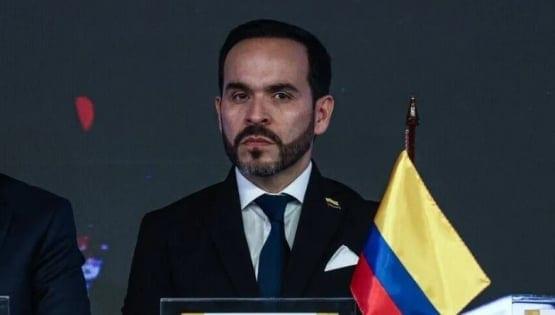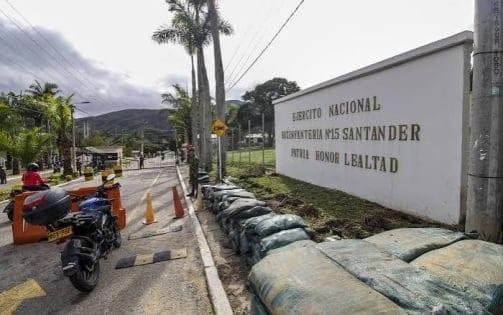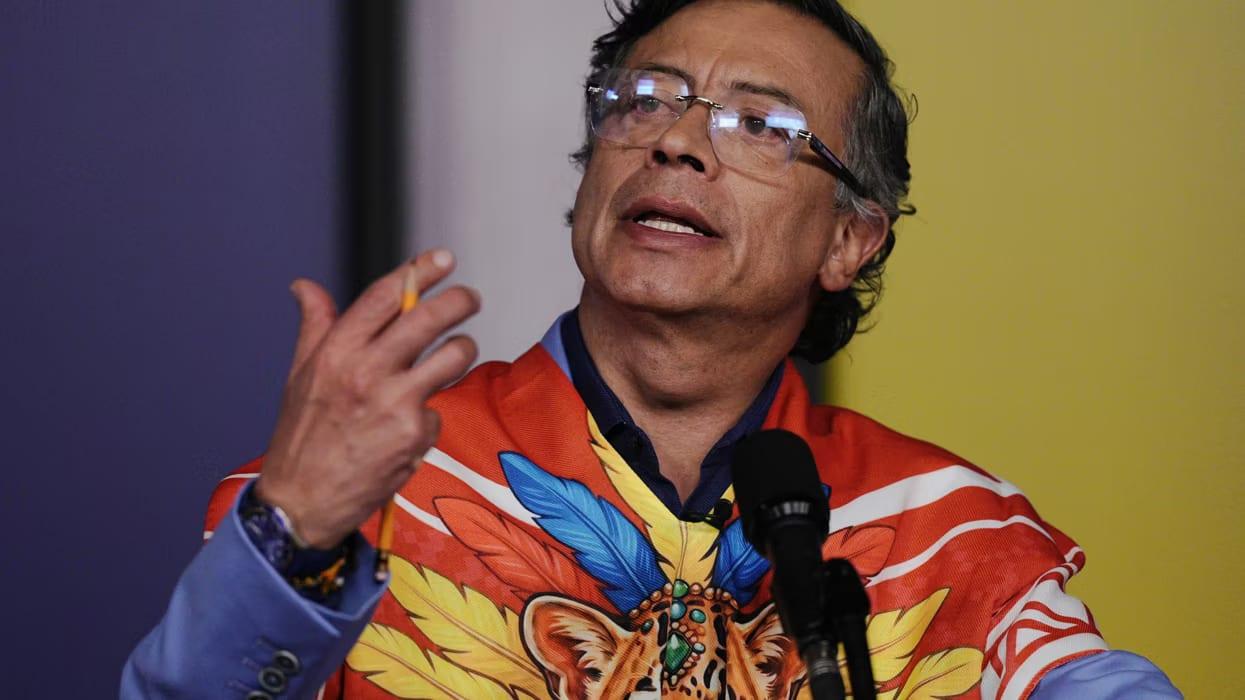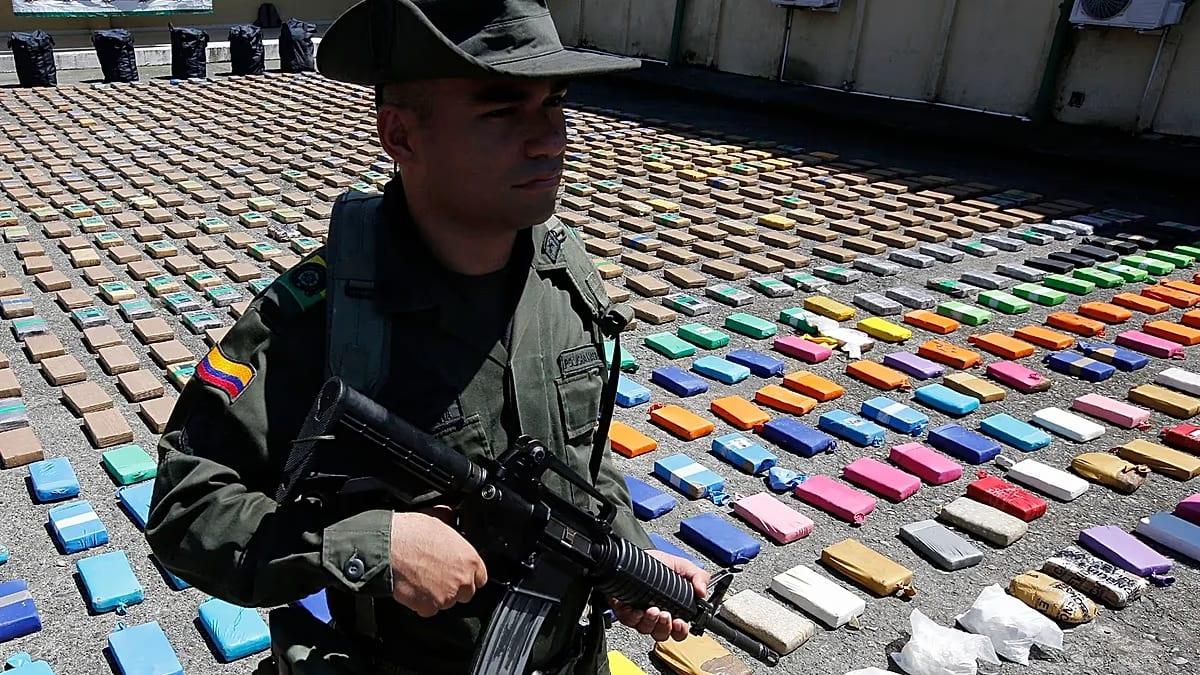
In a significant step towards justice, Colombia's peace tribunal, known as the JEP, has charged 27 former guerrillas with crimes against humanity and sexual violence, including bombings, massacres, rape, and other atrocities committed during the country's decades-long conflict. The JEP, established under a 2016 peace deal with the now-defunct FARC rebel group, offers alternatives to traditional prison sentences for those who confess and make reparations to victims. Among those charged are four former FARC leaders, including ex-commander Rodrigo Londono, alias Timochenko, who signed the peace deal and accepted responsibility for FARC's crimes.
Key Details of the Charges
The charges against the ex-guerrillas include a range of serious crimes, such as bombings, massacres, homicides, disappearances, displacements, rape, sexual violence, and guerrilla takeovers. The JEP, which was created as part of the landmark 2016 peace agreement, focuses on the worst crimes committed during the conflict and offers non-custodial sentences for those who acknowledge their guilt and compensate their victims.
The Role of the Peace Tribunal
The JEP not only judges crimes committed by rebel groups but also those carried out by state-backed paramilitary forces. This dual responsibility has drawn criticism from some political groups, who argue that while investigating rebel crimes, official forces should also face scrutiny. The incoming president, Abelardo de la Espriella, has expressed his intention to dismantle the JEP, calling it a'revenge tribunal' that imposes disproportionate sentences.