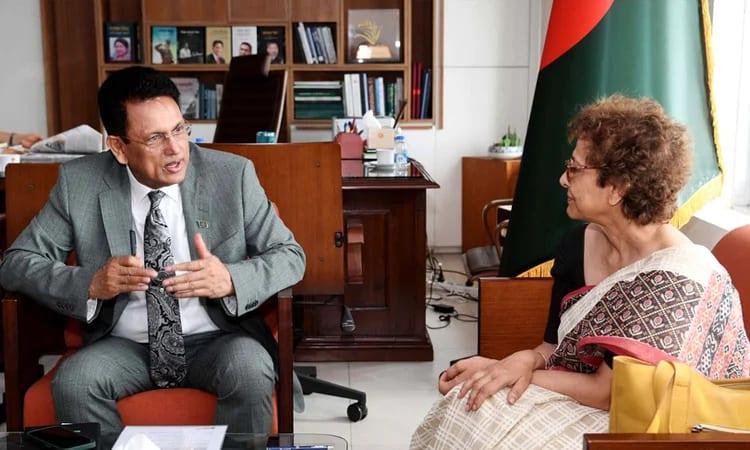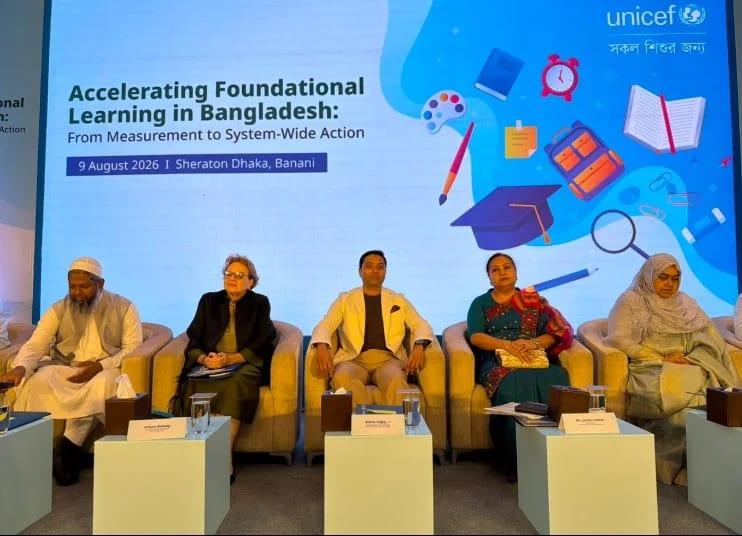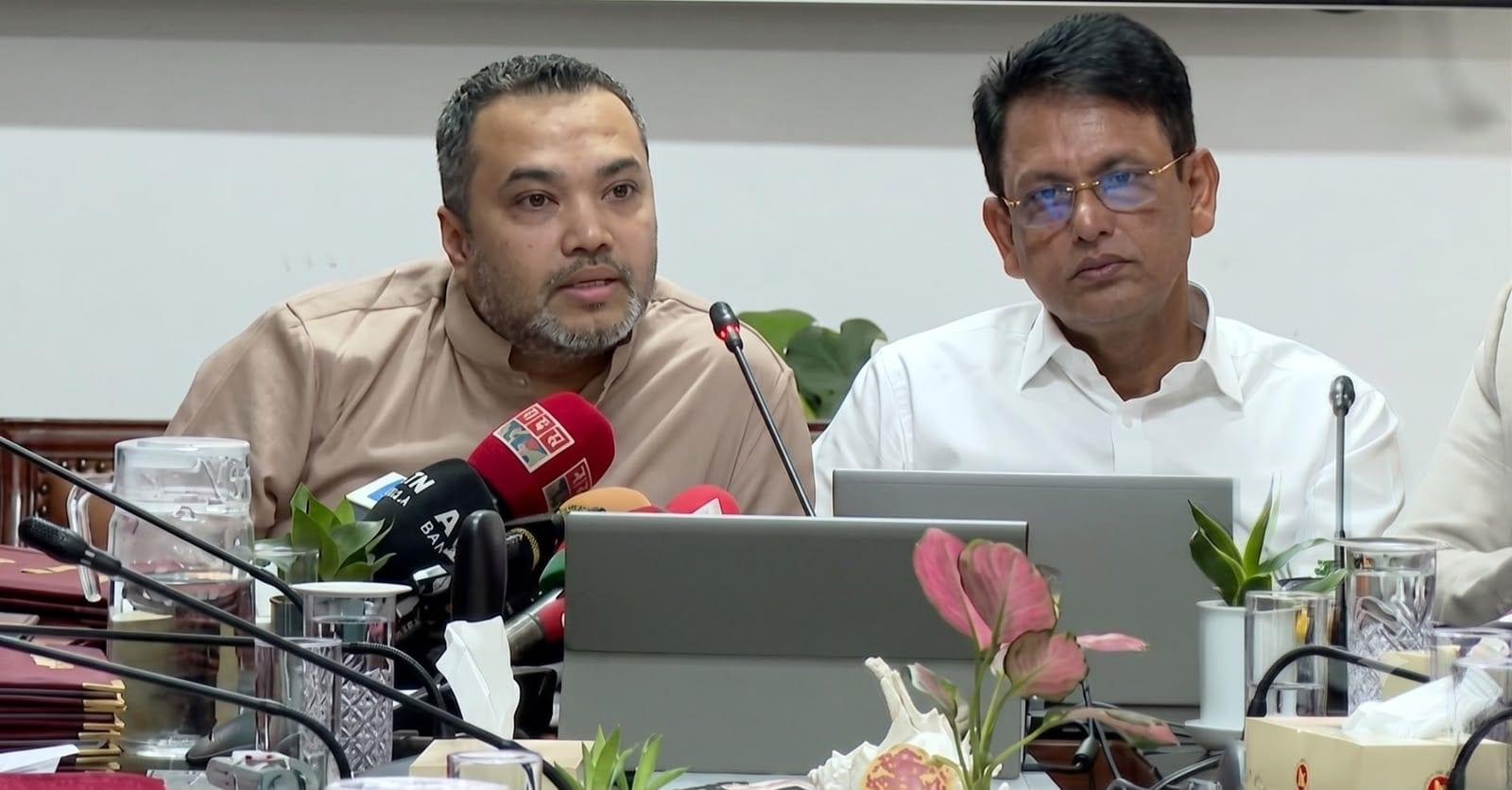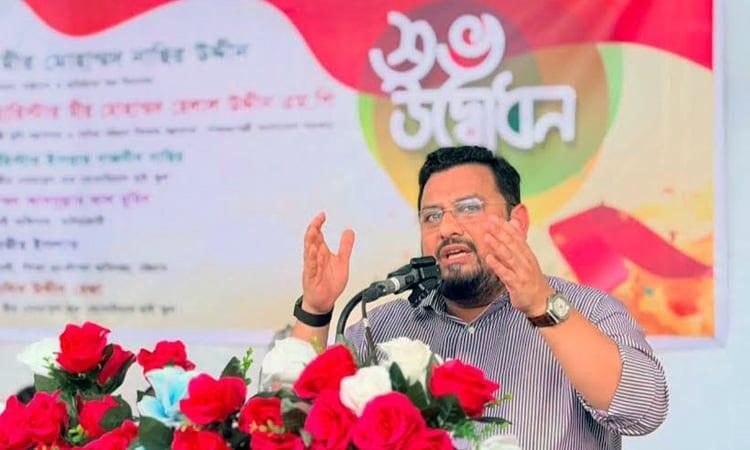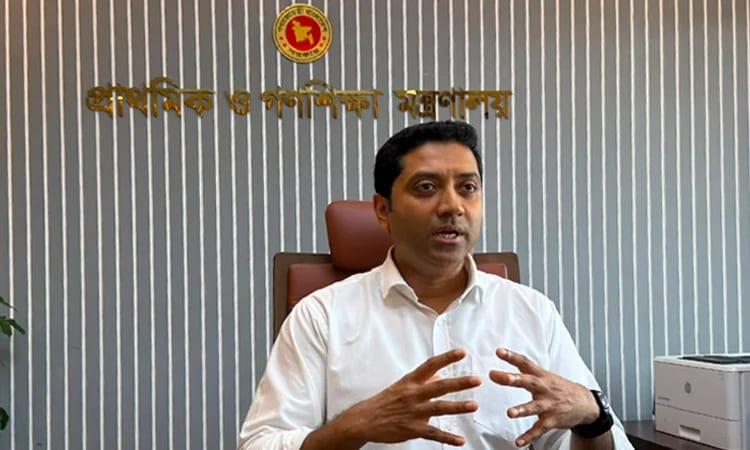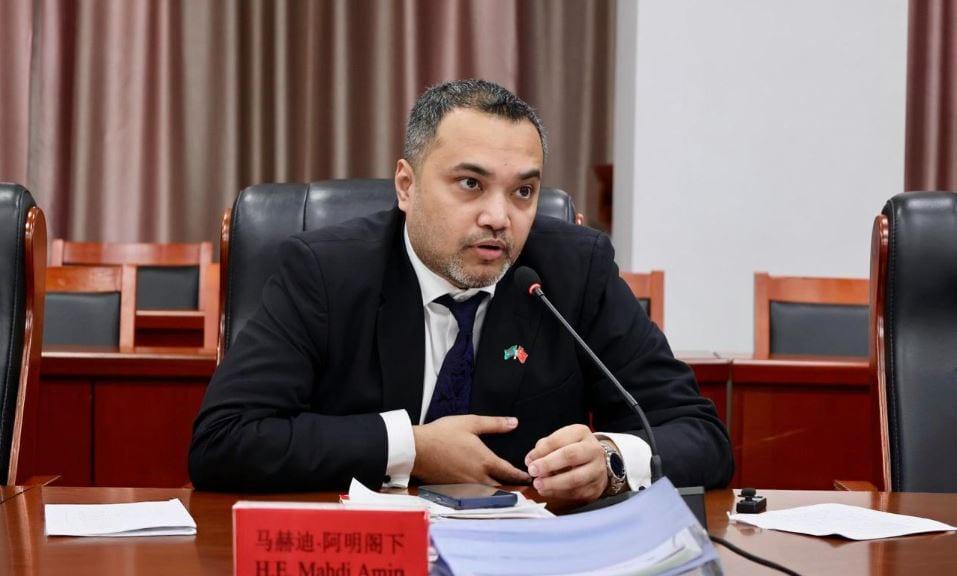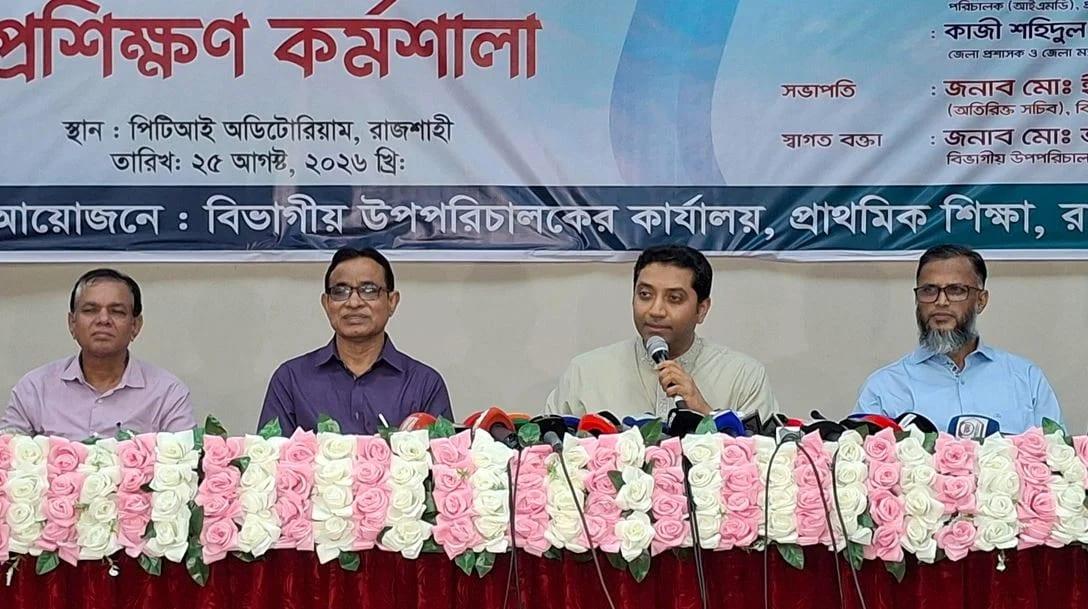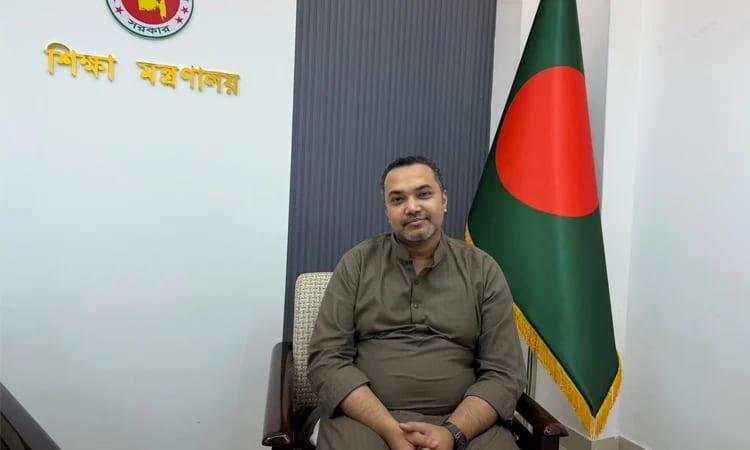
Prime Minister's Education and Primary and Mass Education Adviser Mahdi Amin has announced a major curriculum overhaul for the 2028 academic session. The government aims to redesign the entire curriculum, combining merit, morality, and human values to ensure quality education. As an interim measure, new subjects on the Fourth Industrial Revolution, artificial intelligence, and sports will be introduced from the 2027 academic year.
Mahdi Amin highlighted the government's visionary outline for the education structure, which includes comprehensive curriculum reforms, teacher evaluation, rehabilitation of dropout students, and industry-academia collaboration. The reforms aim to create a sustainable and groundbreaking curriculum that aligns with global standards.
From the next academic year, four new books and subjects will be added to the primary and secondary levels. These include 'Sports and Culture' for class-IV, and 'Learning with Happiness' and 'Technical Education' for class-VI. The aim is to introduce students to robotics, artificial intelligence, and modern education based on the technology of the Fourth Industrial Revolution.
On the issue of the SSC and equivalent examinations, Mahdi Amin stated that the government has ensured a 100-percent fair and transparent evaluation process, eliminating the practice of artificially inflating GPA-5 statistics. The government is also preparing a special policy for students who failed in the SSC examination, offering them employment opportunities through technical training centres and short-term vocational courses.
To address unemployment, employment exchange centres are being launched at the divisional and district levels. These centres will connect job seekers with industrial institutions, providing a direct network for employment opportunities. The government is also implementing the 'One Teacher, One Tab' programme to digitally empower teachers and enhance their skills.
Mahdi Amin emphasized the government's commitment to building a new Bangladesh by creating a generation with skills, employability, ethics, and human values. The reforms aim to eliminate inequality between rural and urban schools and promote a research culture in universities.
These comprehensive reforms signify a significant step towards modernizing Bangladesh's education system, ensuring that students are well-prepared for the challenges of the future global economy.