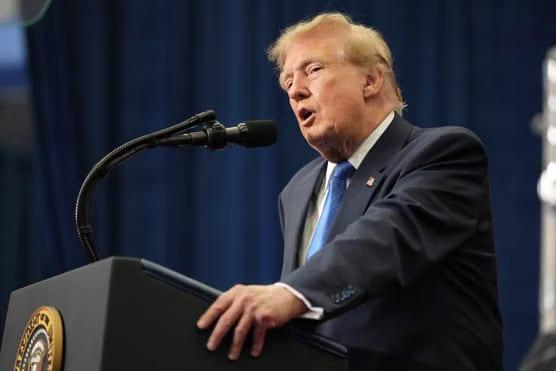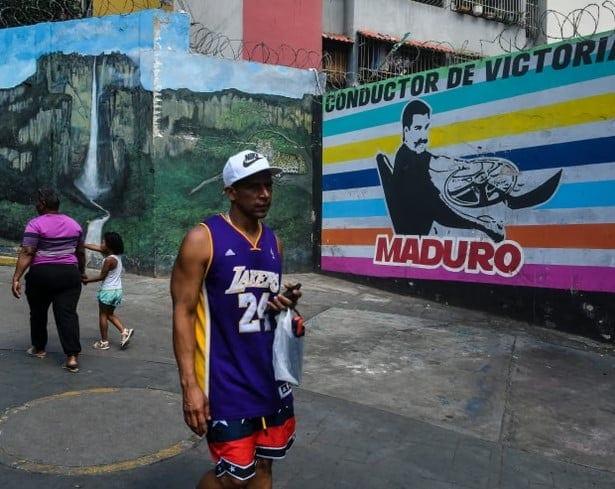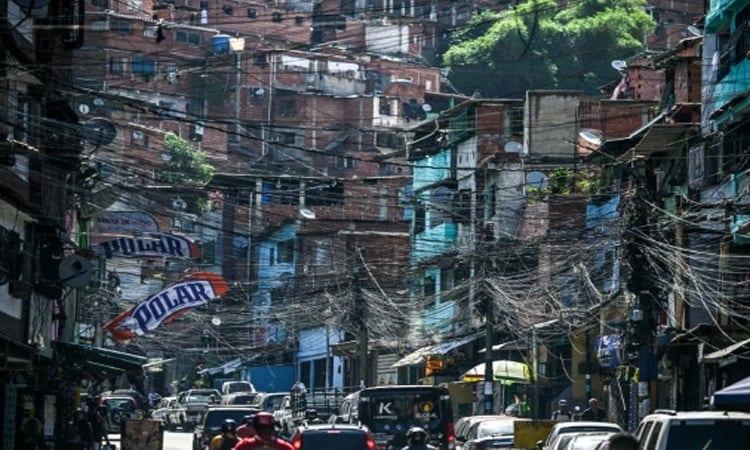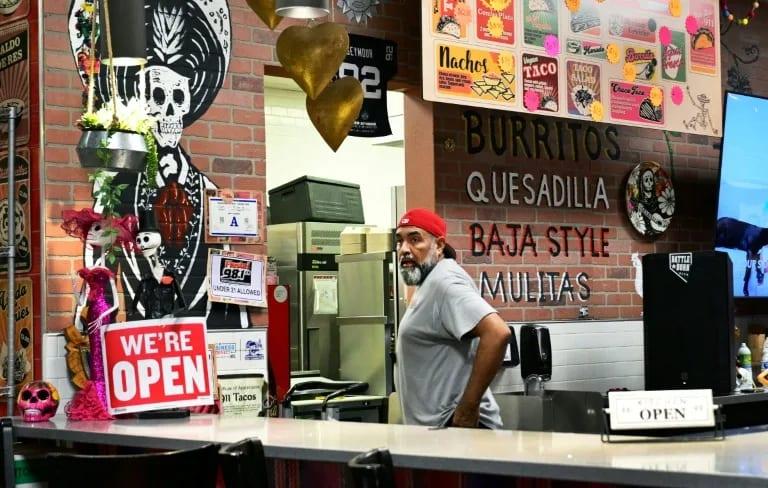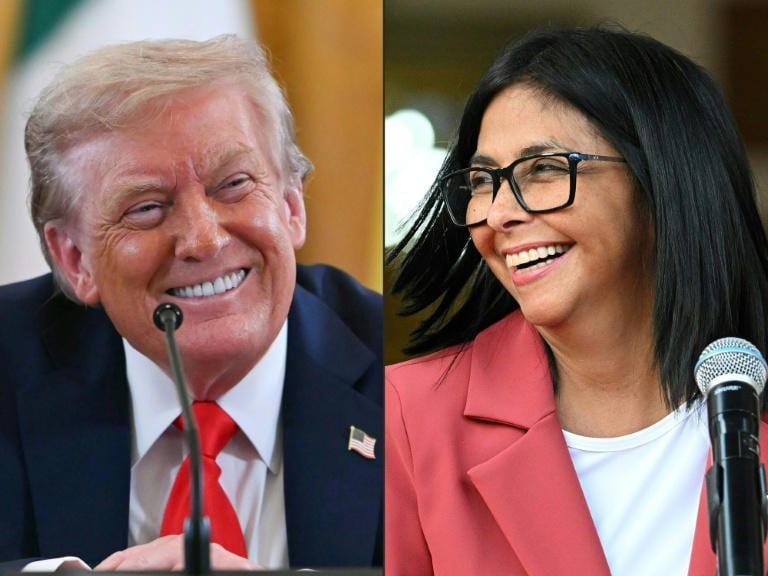
In Caracas, the streets are abuzz with mixed reactions to a groundbreaking deal that hands the United States majority control of Venezuela's massive oil reserves. The agreement, touted by President Donald Trump as the 'biggest oil deal in world history,' promises to revitalize an industry that has been crippled by years of economic crisis. However, many Venezuelans remain skeptical about the benefits they will see.
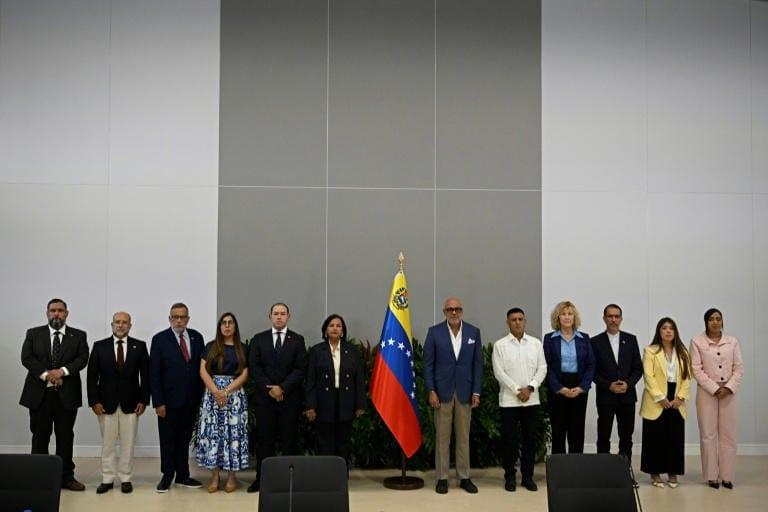
Under the deal, the US will control 65 billion barrels of Venezuela's proven reserves, an arrangement that Caracas claims will attract $100 billion in private investment. Interim president Delcy Rodriguez envisions the agreement as a means to transform 'cold, inert' resources into 'a source of social and economic well-being for the people of Venezuela.' Yet, a significant portion of the population is wary, fearing loss of sovereignty and questioning who will truly benefit from the deal.
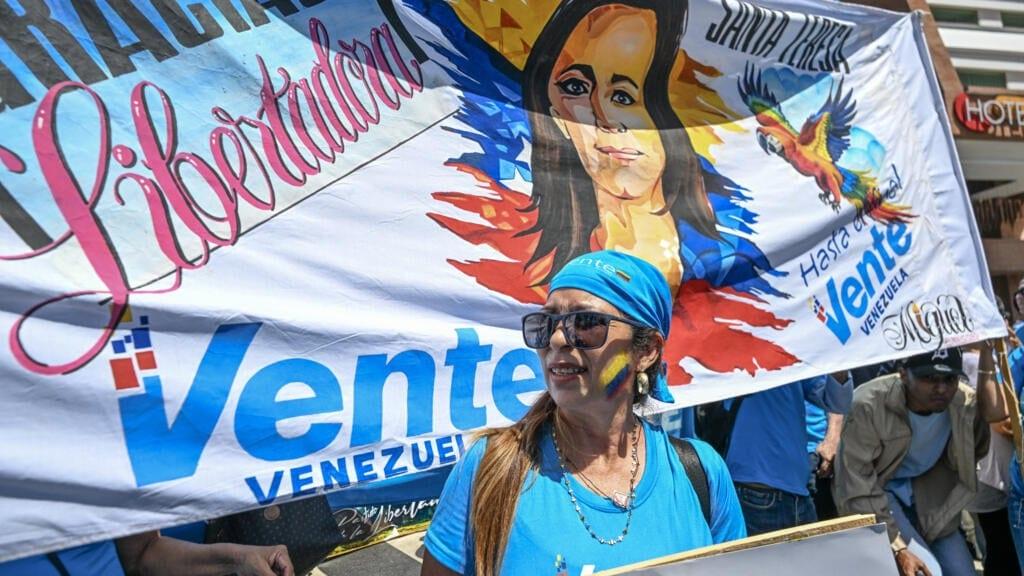
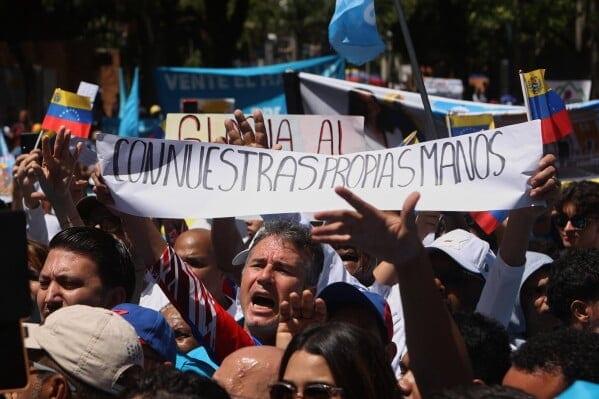
Social media is flooded with comments expressing concern over transparency and the political implications of the agreement. Jesus Salazar, a 68-year-old security guard, encapsulates the sentiment: 'We don't know who this will benefit -- whether it's Venezuela or them (the United States). I have my doubts, but we'll have to wait and see what happens.'
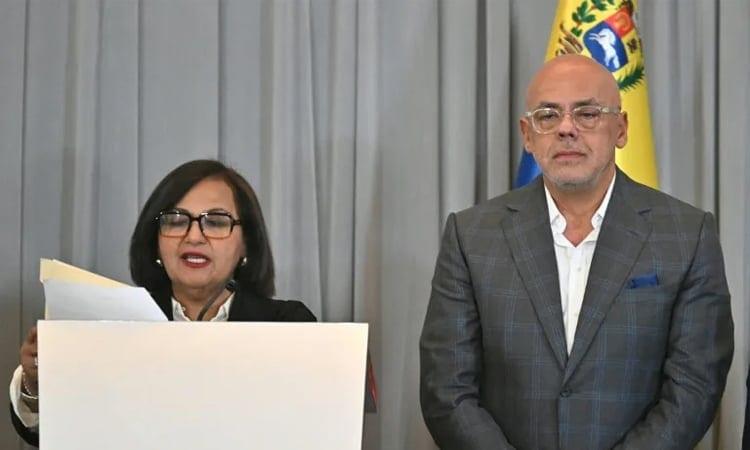
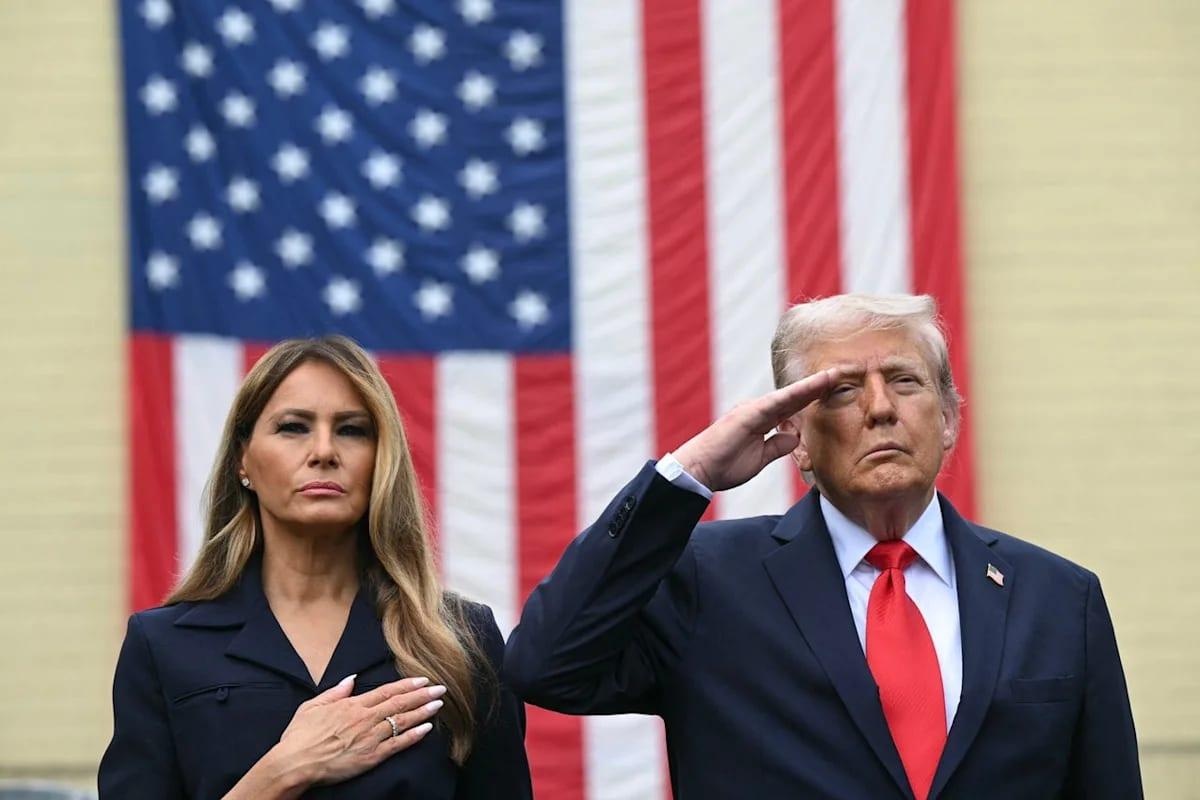
The deal comes amid ongoing pressure from the Trump administration, which ousted and captured long-time ruler Nicolas Maduro earlier this year. Washington allowed Rodriguez, Maduro's vice president, to remain as interim leader under the condition that she aligns with US policies. The ruling party in Venezuela supports the deal, emphasizing that it prioritizes national interests and aims to counteract the economic impact of US sanctions.
Despite the skepticism, there is cautious optimism among some experts. Oswaldo Felizzola, a professor at the Institute of Higher Studies in Administration (IESA) in Caracas, believes the US acting as a 'guarantor' for investments could be crucial for Venezuela's economic recovery. 'Without this, these fields would not be developed over the next 10 or 15 years,' he says, noting that state-owned Petroleos de Venezuela (PDVSA) lacks the financial resources to do so independently.