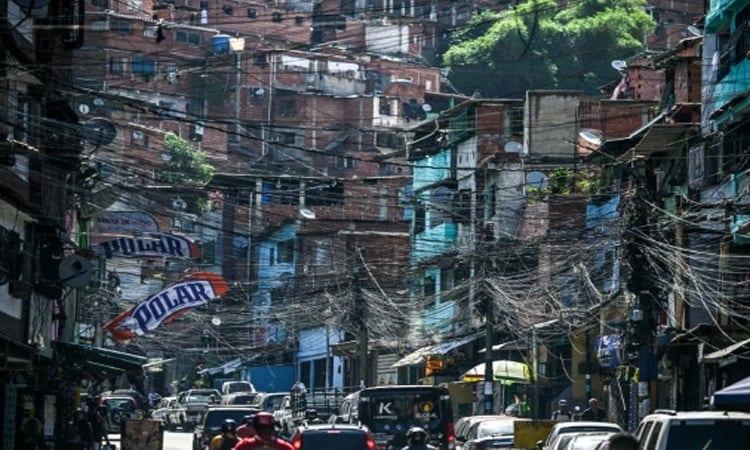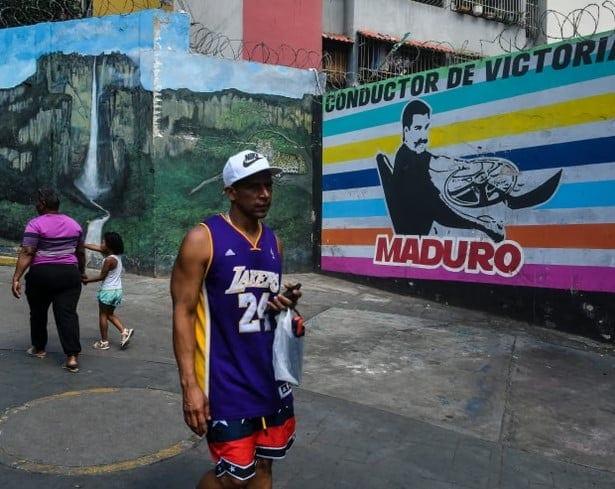
Eight months after US forces captured Venezuelan president Nicolas Maduro, the prevailing national mood is bittersweet as delight at his fall gives way to impatience about ongoing economic hardship. Despite the interim government's attempts at reform, the South American nation remains mired in crisis, with precarious wages and sky-high food prices the norm for ordinary people.
Marbelis Daliz and her husband Arlindo Da Silva run a pastry shop in Caracas, where hyperinflation and regular power cuts cast a long shadow over their business. "The economy is a disaster," Daliz said. "I hope that at some point this will pass and we will rise again."
The Venezuelan economy has been undergoing a de facto dollarization since 2019 due to the enormous devaluation of the bolivar. Despite hopes for an influx of dollars following Maduro's ouster, annual inflation in bolivars is near 575 percent. Activist Zaida Mujica noted, "Price increases are killing Venezuelans."
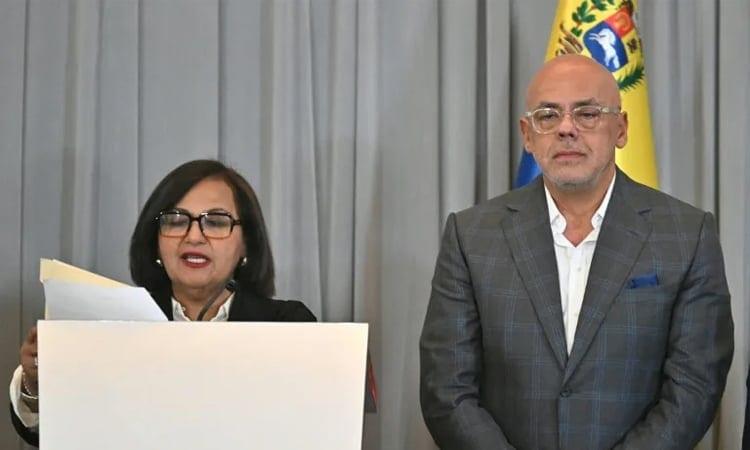
Interim leader Delcy Rodriguez, Maduro's former vice president, effectively governs under Washington's influence. She has opened several sectors up to foreign and private capital, and official figures show that daily oil production has increased by almost 29.8 percent since January. However, professor Jose Manuel Puente at the Institute of Advanced Studies in Administration (IESA) stated, "A political change was extremely important... but it is not enough to generate macroeconomic stability and growth."
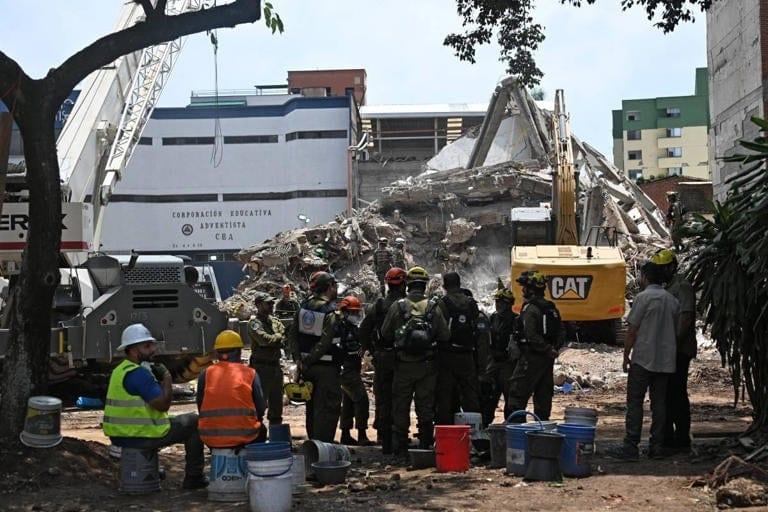
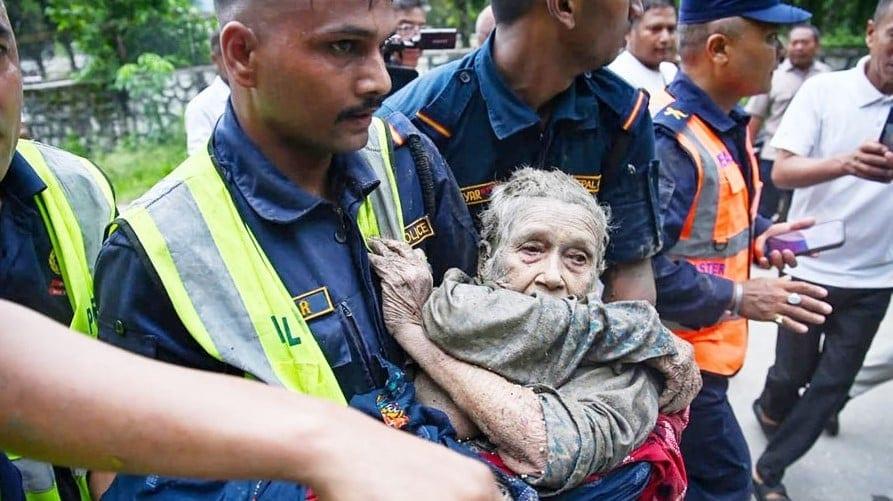
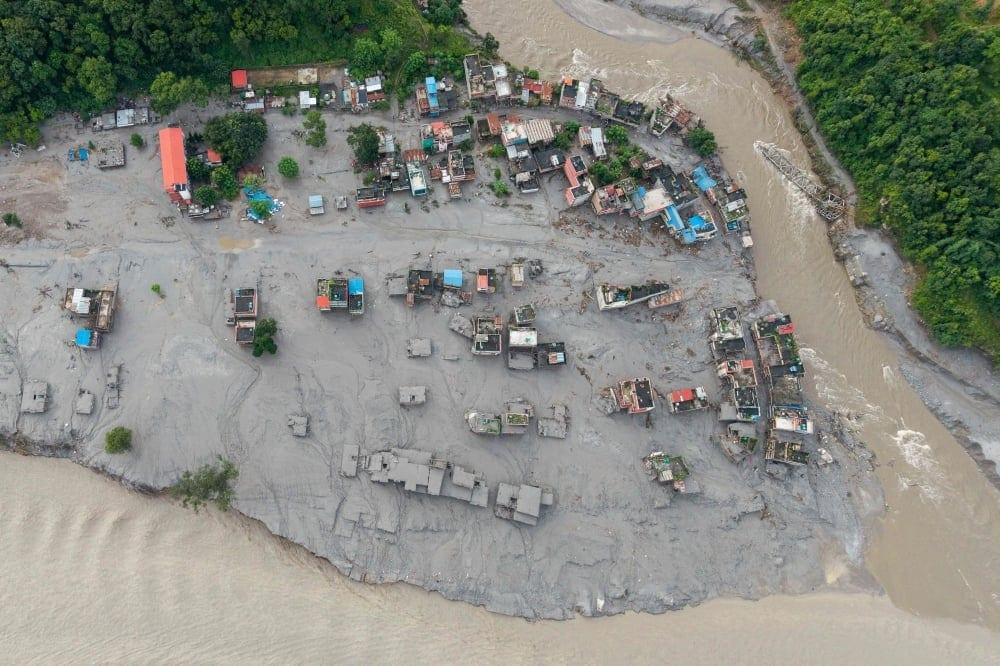
The situation worsened when two earthquakes struck northern Venezuela on June 24, killing over 6,500 people and destroying hundreds of buildings. Carmen Ramirez, who sells hygiene products at a market in Caracas, noted, "You have to go out and keep fighting."
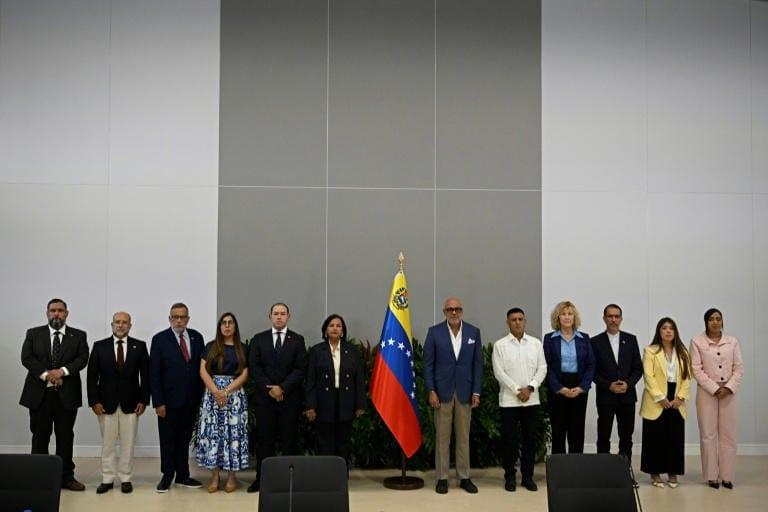
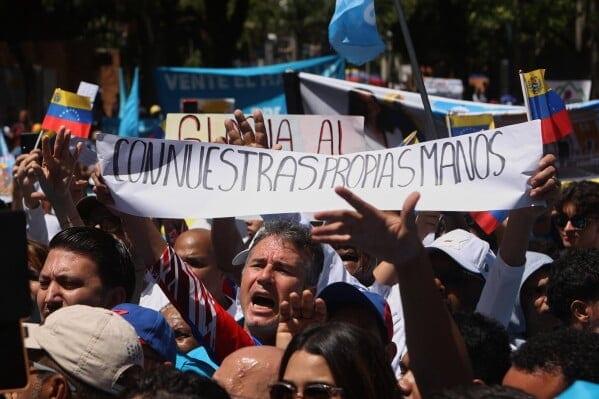
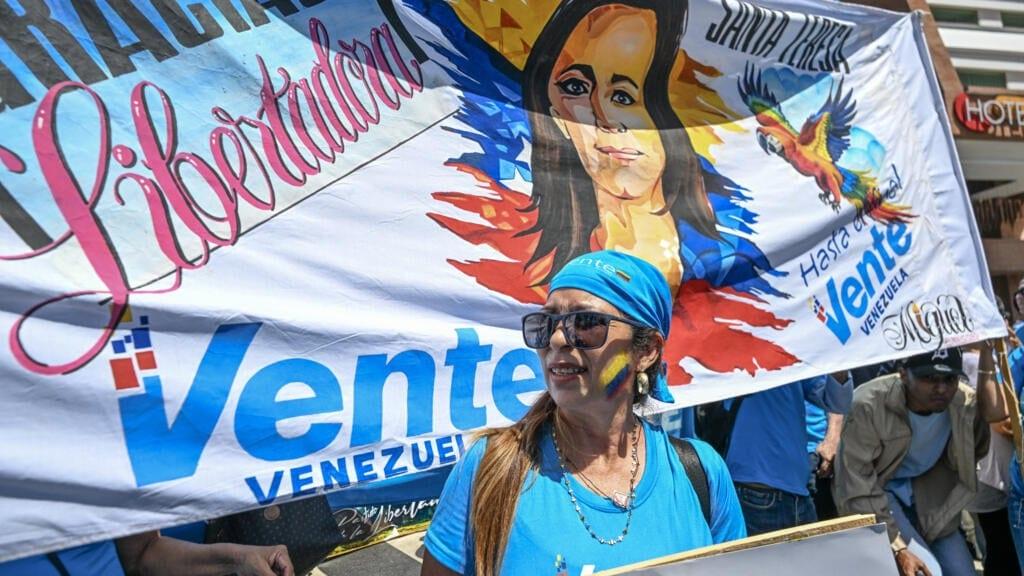
Despite the ongoing hardships, there is a noticeable decrease in fear among Venezuelans. Daliz noted, "Before, I didn't even dare to put up a post about politics on Instagram. But now I do -- now I post, 'How cool that Maduro is gone!'" Since Rodriguez took over, various groups have marched for their rights, and the interim government is participating in US-backed political transition talks.
However, not everyone feels secure. Jerry Ostos, a former political prisoner, stated, "The government continues to keep people in prison for having different opinions." The NGO Foro Penal maintains that almost 400 political prisoners remain behind bars, despite the government's claim of releasing 1,046 since January.