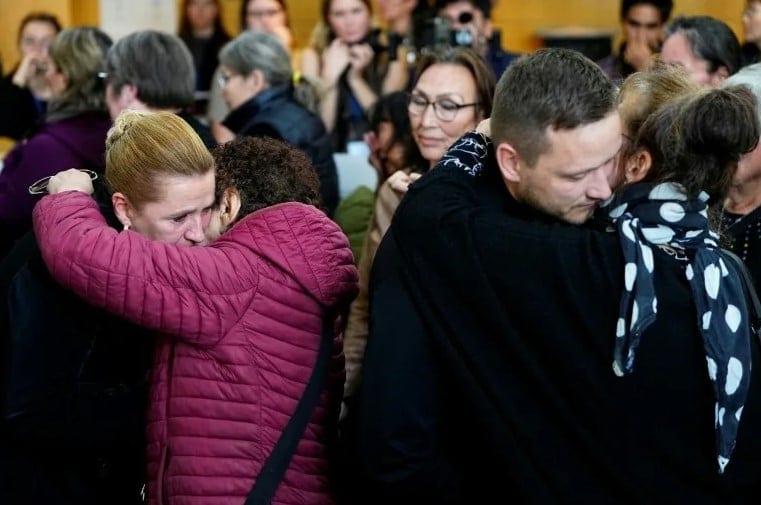
A Greenlandic commission is to present a highly anticipated report to determine whether Denmark's forced contraception of thousands of Greenlandic indigenous Inuit women constituted a 'genocide'. The forced contraception campaign, which took place between the 1960s and 1990, is one of the darkest chapters in Greenland's history. The report, expected on Friday, will shed light on the legal implications of the campaign, which saw more than 4,000 women fitted with intrauterine devices (IUDs) without their consent.
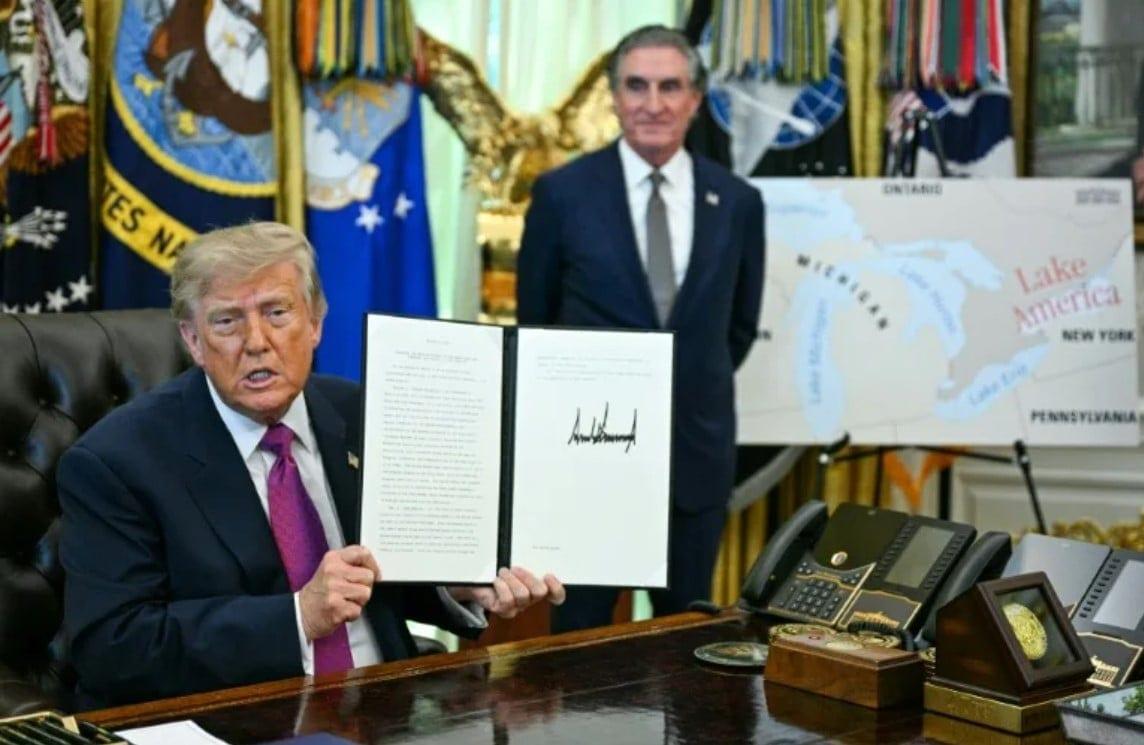
Greenland, a Danish colony for three centuries and now an autonomous territory, still has a complicated relationship with Copenhagen. The report comes amid heightened scrutiny of the Denmark-Greenland relationship, especially in light of US President Donald Trump's threats to take over Greenland. Despite these tensions, both Copenhagen and Nuuk have presented a united front against Trump's threats.
The commission, created in August 2024 by then-Greenland Minister of Justice and Gender Equality Naaja Nathanielsen, has been tasked with investigating the campaign. The commission's four appointed experts were unable to agree on which approach to take, resulting in two separate reports submitted nearly six months behind schedule. One of the victims, Henriette Berthelsen, criticized the commission for not including any Greenlandic Inuit experts.
FAQs
- **What was the forced contraception campaign?** The campaign involved fitting more than 4,000 Greenlandic women with IUDs without their consent, primarily between the 1960s and 1990. The campaign affected girls as young as 12, some of whom were never able to have children afterwards.
- **What is the commission's role?** The commission was created to investigate the legal implications of the forced contraception campaign and determine whether it constituted 'genocide'. The commission submitted two separate reports due to disagreements among the appointed experts.
- **What are the next steps?** Once the conclusions are presented, Greenland's government will decide how to move forward. The Danish parliament has already agreed that women affected by the campaign can claim compensation from Copenhagen.
- **Why is this issue significant?** The forced contraception campaign is a painful chapter in Greenland's history, and the report aims to shed light on the legal implications and potential 'genocide' designation. The issue has revived trauma and is crucial for understanding and healing historical injustices.