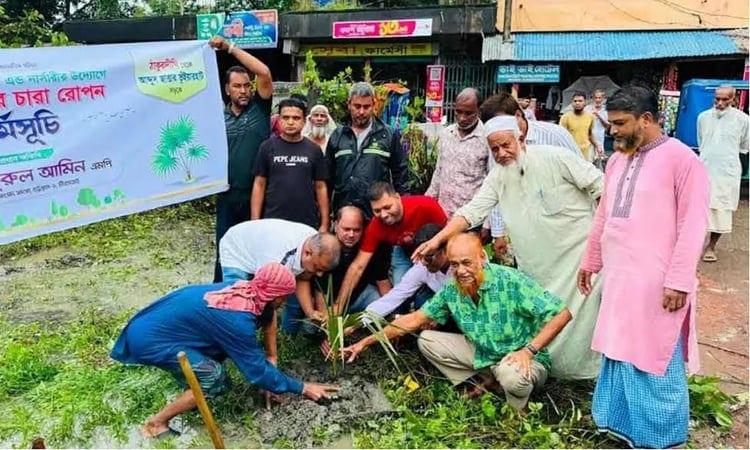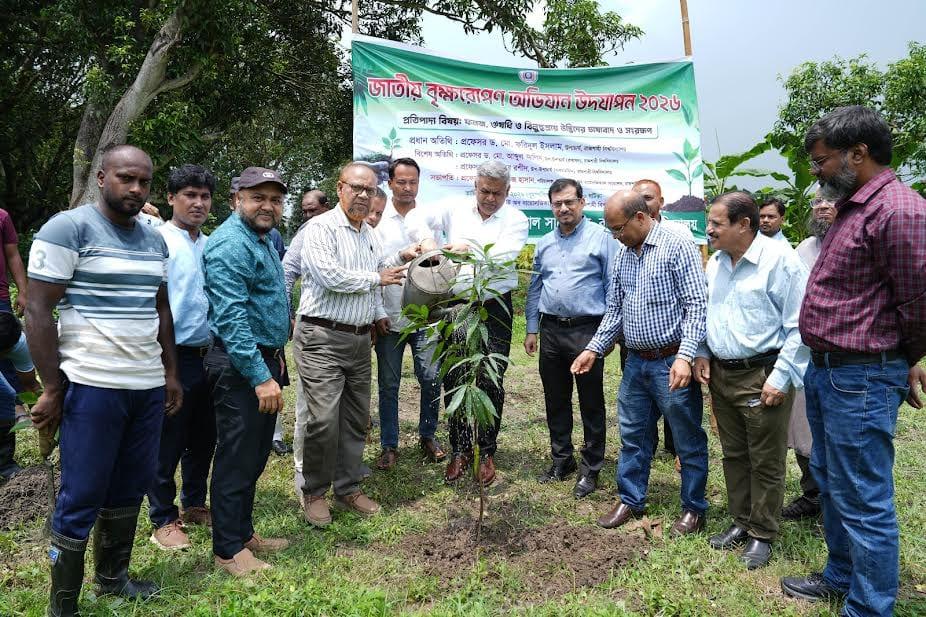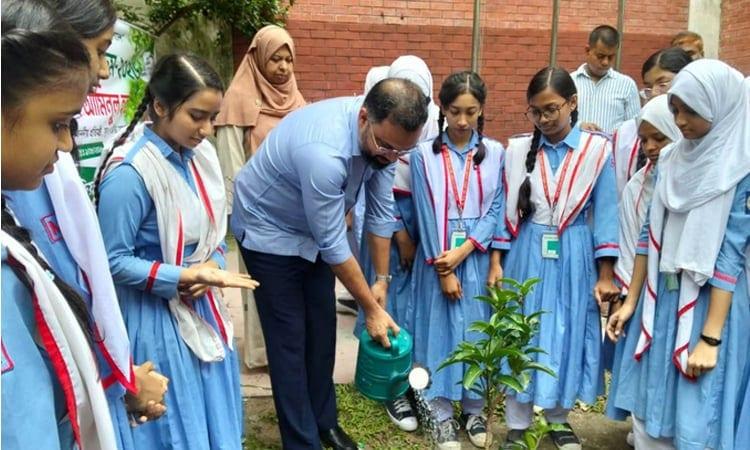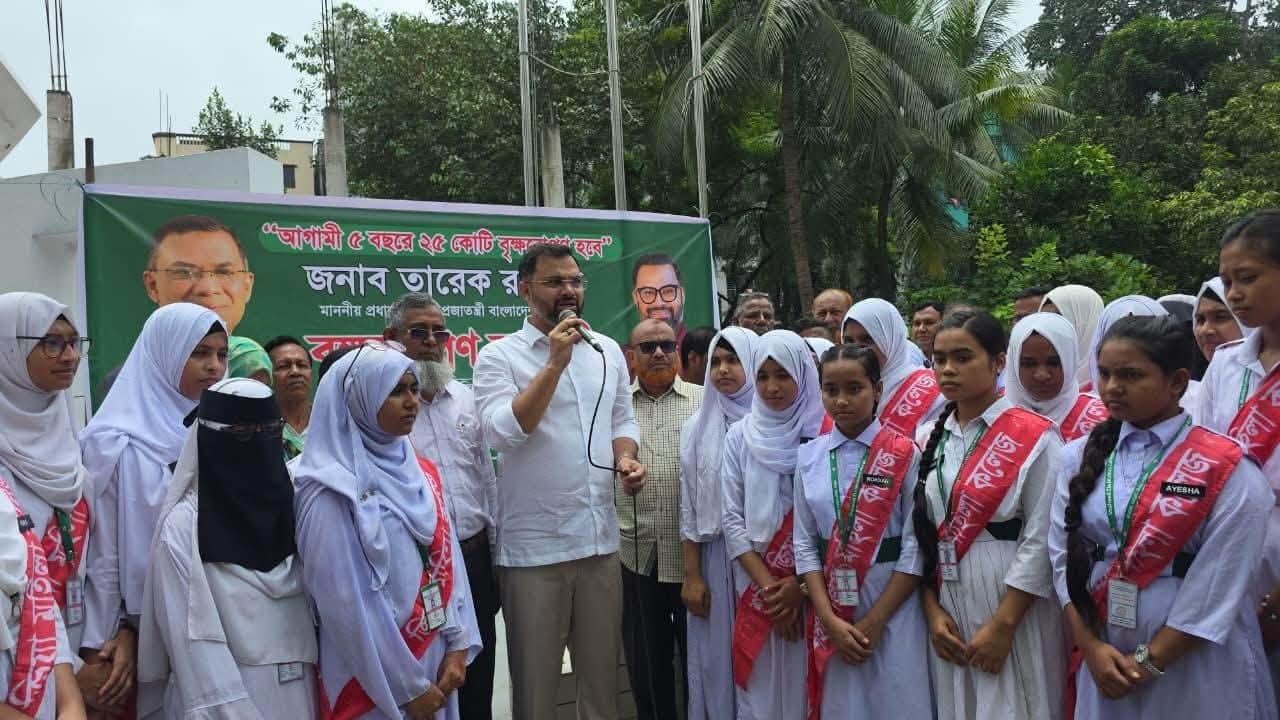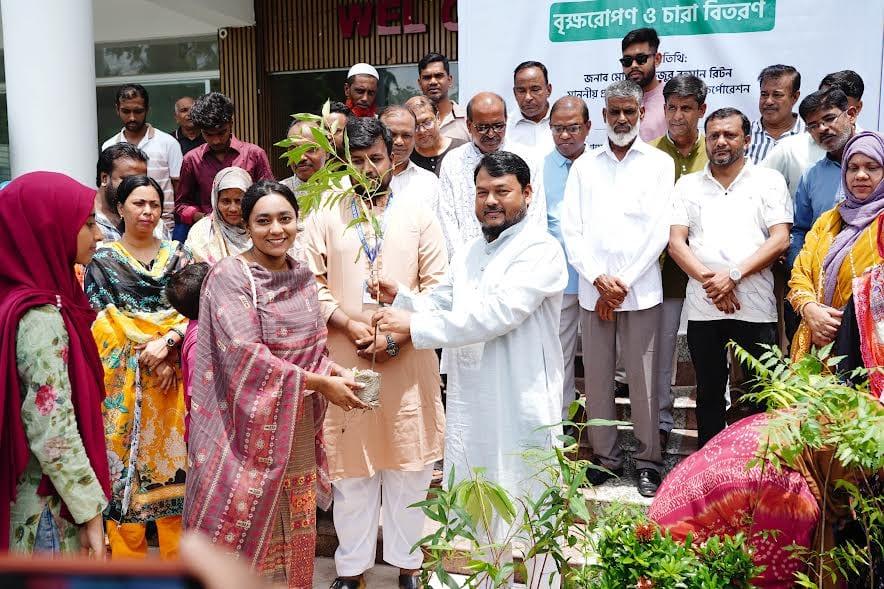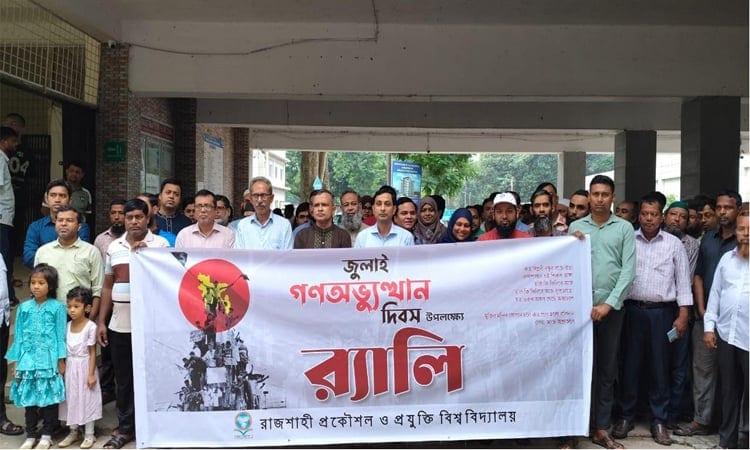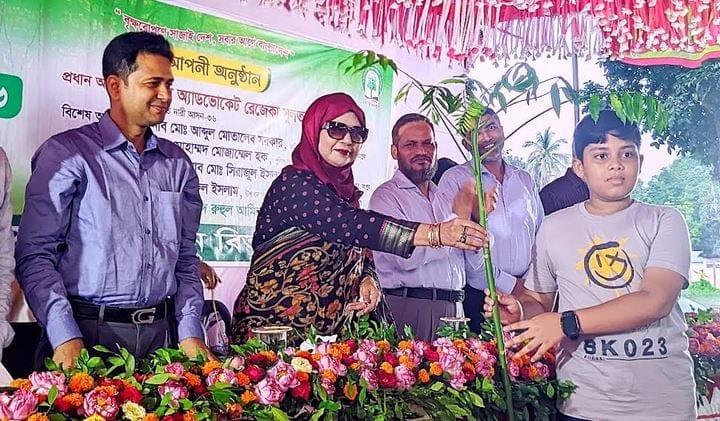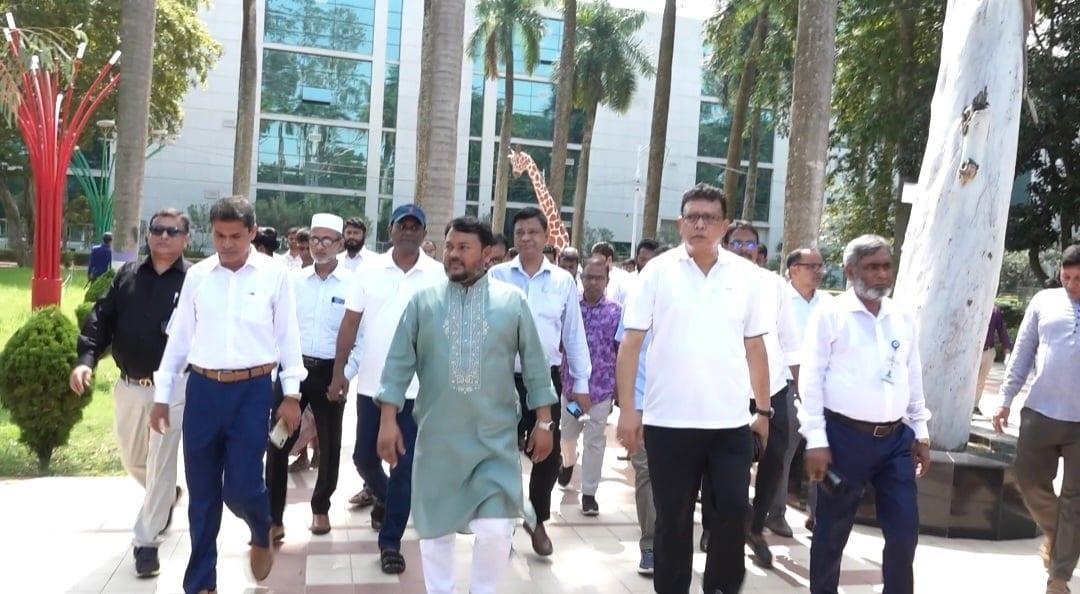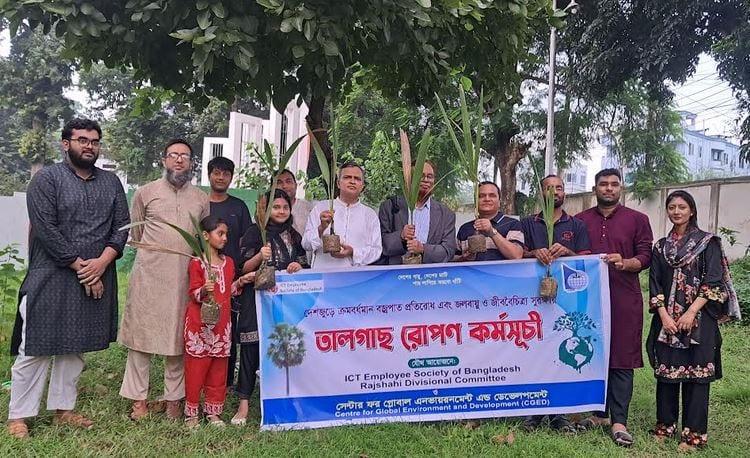
In a bid to reduce the increasing threat of lightning strikes, Rajshahi University of Engineering and Technology (RUET) has initiated a unique project by planting palm seedlings on its campus. The project was inaugurated on Friday at 5 PM near the RUET gate. The initiative, led by the Rajshahi Divisional Committee of the ICT Employee Society of Bangladesh (ICTESB), aims to protect the climate and biodiversity while providing a natural shield against lightning.
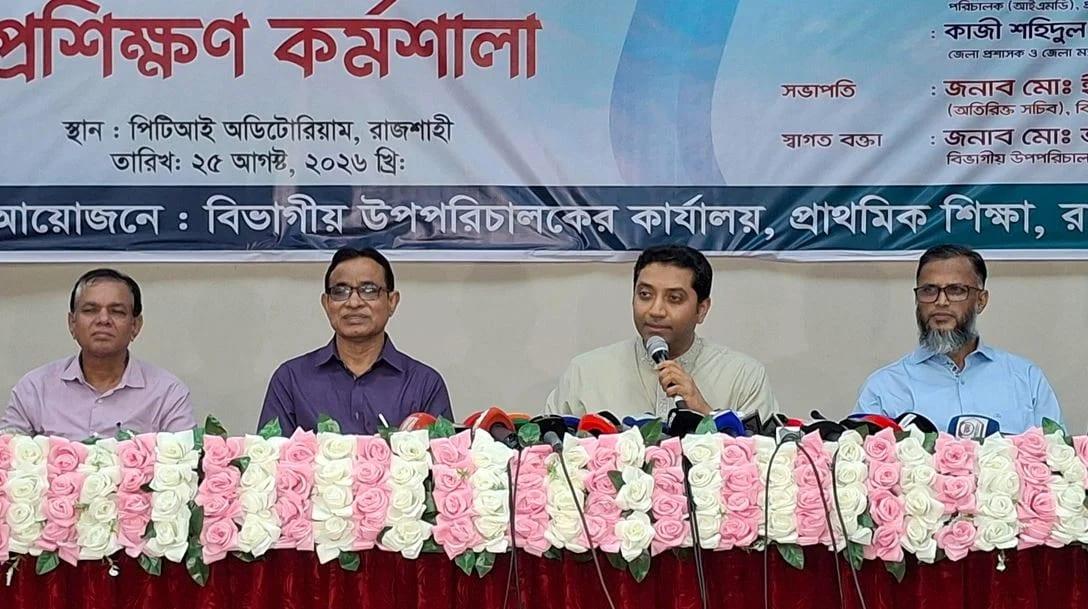
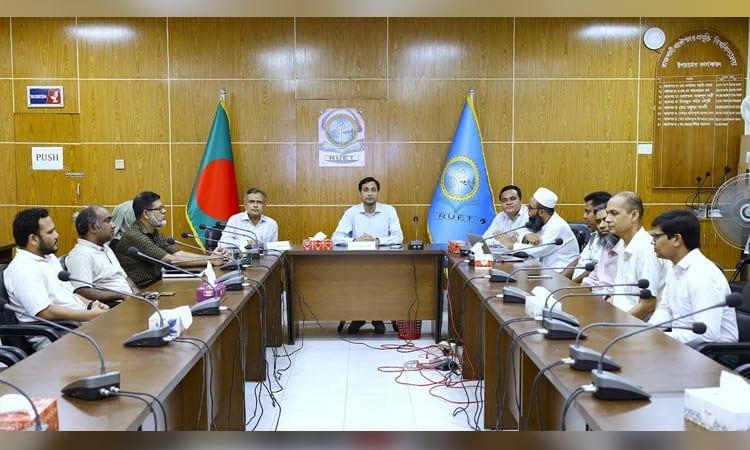
The program was launched in the presence of RUET's Vice-Chancellor, Professor Dr. SM Abdur Razzak, who served as the chief guest. Other notable attendees included the Pro-Vice-Chancellor, Professor Dr. Md. Akhtar Hossain, the Director of Student Welfare, Professor Dr. Md. Rabiul Islam Sarker, and the Executive Director of the Centre for Global Environment and Development, Dr. Md. Abdul Wahab. The event was presided over by Engr. Junaid Ahmed, President of the Rajshahi Divisional Committee of ICTESB.
Engr. Md. Firoz Ali, the Secretary General of ICTESB and Head of the Department of Mechatronics Engineering at RUET, conducted the event. Additional participants included Assistant Professor Md. Yakub Ali of the Department of Electronics and Telecommunication Engineering (ETE) at RUET, Assistant Professor Alok Kumar Pal of the Department of Electrical and Electronic Engineering (EEE) at RUET, and members of the Nature and Biodiversity Conservation Forum. The Centre for Global Environment and Development (CGED) provided overall support to ensure the success of the palm seedling plantation program.
Lightning strikes have become a significant concern in Bangladesh, with the country experiencing a rise in such incidents in recent years. Palm trees are known for their ability to act as natural lightning rods, directing the electrical charge into the ground and thus reducing the risk of damage to buildings and other structures. By planting these seedlings, RUET not only aims to protect its campus but also to raise awareness about the importance of such initiatives in mitigating climate-related risks.
The initiative is part of a broader effort to incorporate environmental conservation into the university's activities. By involving students, faculty, and local environmental groups, RUET hopes to foster a culture of sustainability and climate resilience. The success of this project could inspire similar initiatives in other educational institutions across the country, contributing to a safer and more sustainable future.