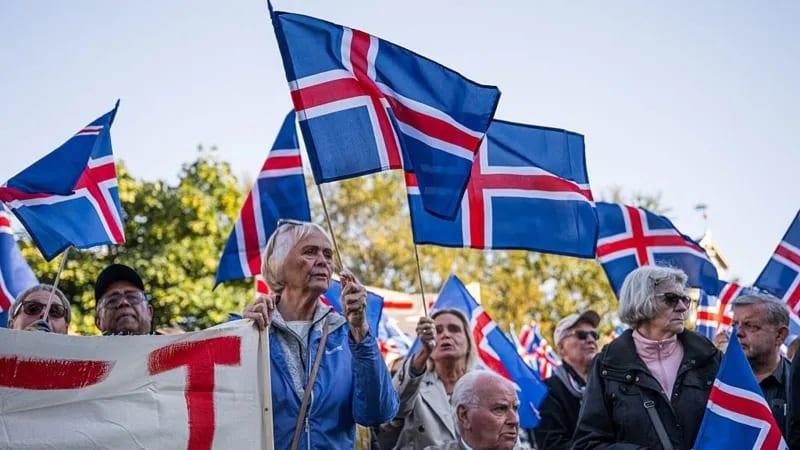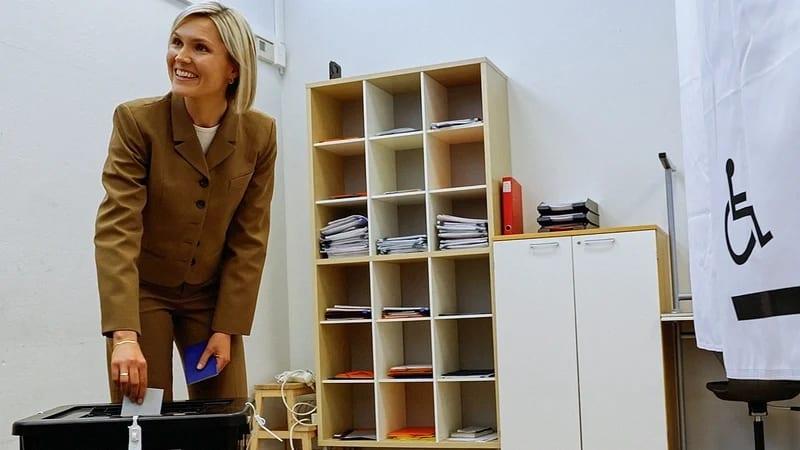
Iceland voted on Saturday in a closely contested referendum on whether to resume membership negotiations with the European Union, with the final result expected late in the night or next morning. Voting stations closed at 10:00 pm (2200 GMT) and, in the absence of exit polls, it could take several hours before a clear victory emerges for the 'Yes' or 'No' camp.
Background and Context
Iceland, a nation of just under 400,000 people, applied to join the EU in the wake of a 2009 financial crisis that devastated its economy. Membership talks were then suspended in 2013 when a eurosceptic government came to power. An opinion poll by analyst firm Maskina on Friday gave the 'Yes' side a slight edge with 50.4 percent of the vote, but that gap is within the statistical margin of error.
If the 'Yes' side wins, an accession agreement would be negotiated with Brussels and then put to a new referendum on actual membership. The issue of fisheries, a pillar of Iceland's economy and over which Reykjavik wants to retain exclusive control, would have to be hammered out with Brussels, which this time around appears more willing to find 'creative solutions'.
Political and Economic Implications
Technically, the referendum result is non-binding, but the coalition government headed by Social Democratic Prime Minister Kristrun Frostadottir has vowed to respect the result. If the 'No' side wins, the government has already vowed not to resume accession negotiations during its term, which runs until 2028, and indicated that it would refer to parliament the question of a possible formal withdrawal of Iceland's EU membership bid.
Iceland's economy has recovered and is now thriving. Many see no reason to join the EU since the island is already part of the European single market through the European Economic Area, which does not cover the Common Fisheries Policy. However, Iceland's currency is volatile, and the flip side of its newfound prosperity is soaring inflation and interest rates, leaving many indebted Icelandic households glancing longingly at the prospect of adopting the euro and its lower interest rates.
On the global stage, the return of war in Europe with Russia's invasion of Ukraine has shaken established security doctrines. Iceland is an island strategically located in the sub-Arctic. It has no military and depends on NATO and a 1951 bilateral agreement with the United States for its defence. The result of Saturday's vote will be followed closely by the EU, which has not welcomed a wealthy, net contributor to its budget since 1995.