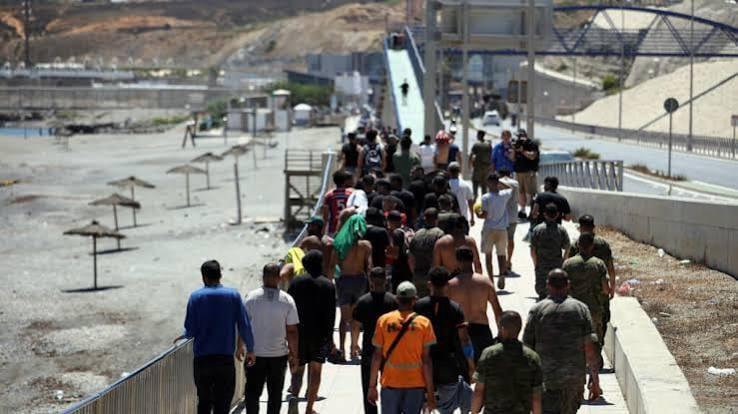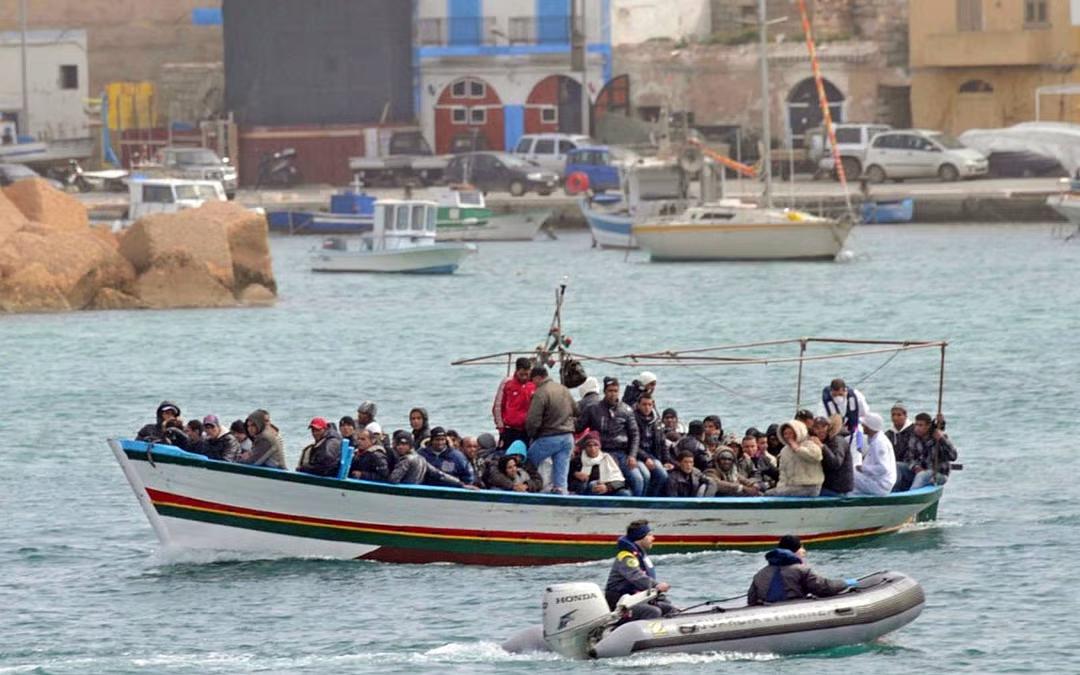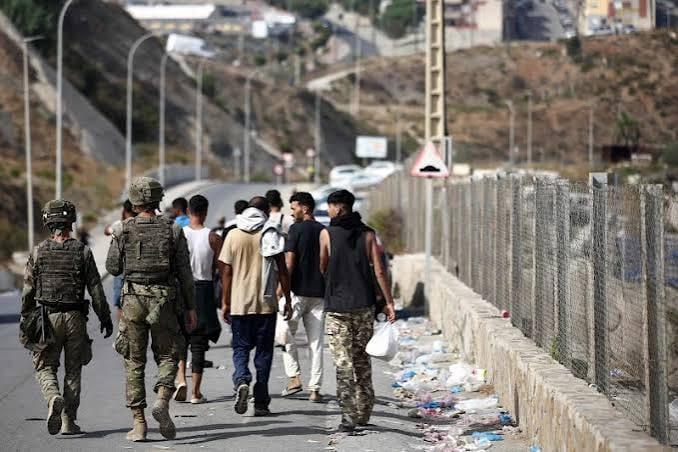
Spain has assured Europe that the recent influx of migrants into its north African territory of Ceuta did not compromise the Schengen visa-free travel zone, according to the Spanish interior minister. Fernando Grande-Marlaska announced that Spain had repatriated 70,000 of the 72,000 migrants who arrived in Ceuta, a significant increase from the previously reported 50,000. The influx, which led to 75 deaths, sparked tensions with EU partners, including Italy and Denmark, who questioned Spain's adherence to Schengen principles. Despite calls for Spain's suspension from the Schengen area, Marlaska emphasized that the zone was never at risk and that there was no secondary movement of migrants to mainland Europe. Border checks remain in place between Ceuta and Spain.
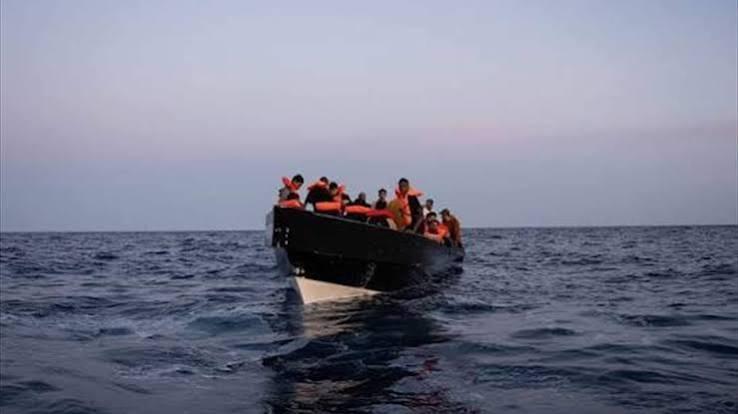
The crisis in Ceuta, which saw migrants attempting to swim around a barrier in the Mediterranean Sea, resulted in many drownings. This incident strained Spain's relations with its EU neighbors. However, Marlaska maintained that the Schengen zone was secure, a sentiment echoed in a recent EU meeting that concluded on a constructive note. Meanwhile, around 1,000 unaccompanied minors remain in Ceuta, prompting Spain to allocate 25 million euros to support local authorities in providing emergency care. Spain's approach to irregular immigration contrasts with other European countries, which have adopted stricter policies.
Prime Minister Pedro Sanchez has defended Spain's more lenient stance on irregular immigration, launching a scheme to grant legal status to migrants already in the country. This initiative is expected to benefit approximately 500,000 people, predominantly from Latin America. The current situation in Ceuta highlights broader European challenges related to migration, with Spain's actions drawing scrutiny and concern from its EU counterparts.