Peru has announced the severing of diplomatic relations with Iran, citing Tehran's alleged role in escalating conflicts in the Middle East and hindering maritime transit in the Strait of Hormuz. The Peruvian Foreign Ministry released a statement on Tuesday expressing deep concern over the severe restrictions imposed by the Iranian regime and the disruption of international trade. The decision aligns with Peru's historic pacifist stance.
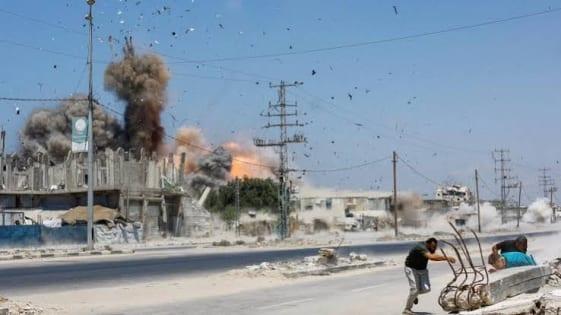
The Middle East has recently seen a resurgence of hostilities, with the United States launching attacks on Iran and subsequent retaliatory strikes. This volatile situation has prompted several nations to reconsider their diplomatic relations with Iran. Peru's move follows a similar decision by neighboring Chile, which closed its embassy in Tehran but chose not to sever ties entirely due to economic and security considerations.
Peru's conservative President Keiko Fujimori, who campaigned on iron-fist security policies, has taken a firm stance against what she perceives as threats to regional stability. Shortly after taking office on July 28, President Fujimori signaled her willingness to cooperate with the United States by joining President Donald Trump's Shield of Americas initiative.
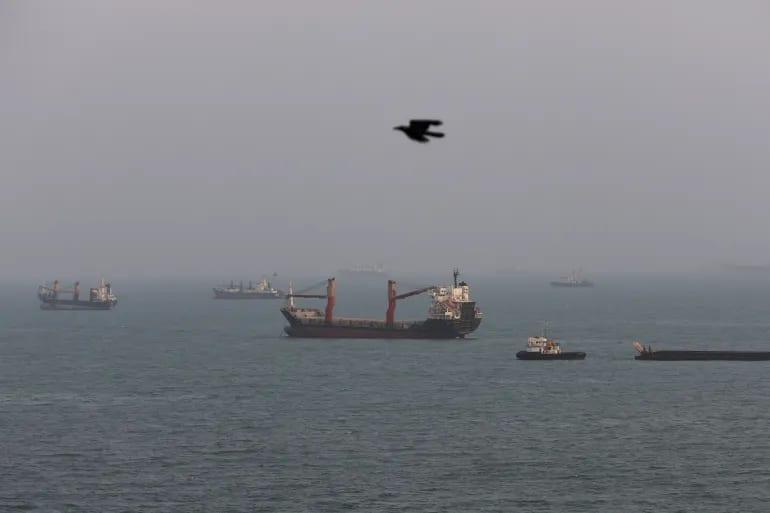
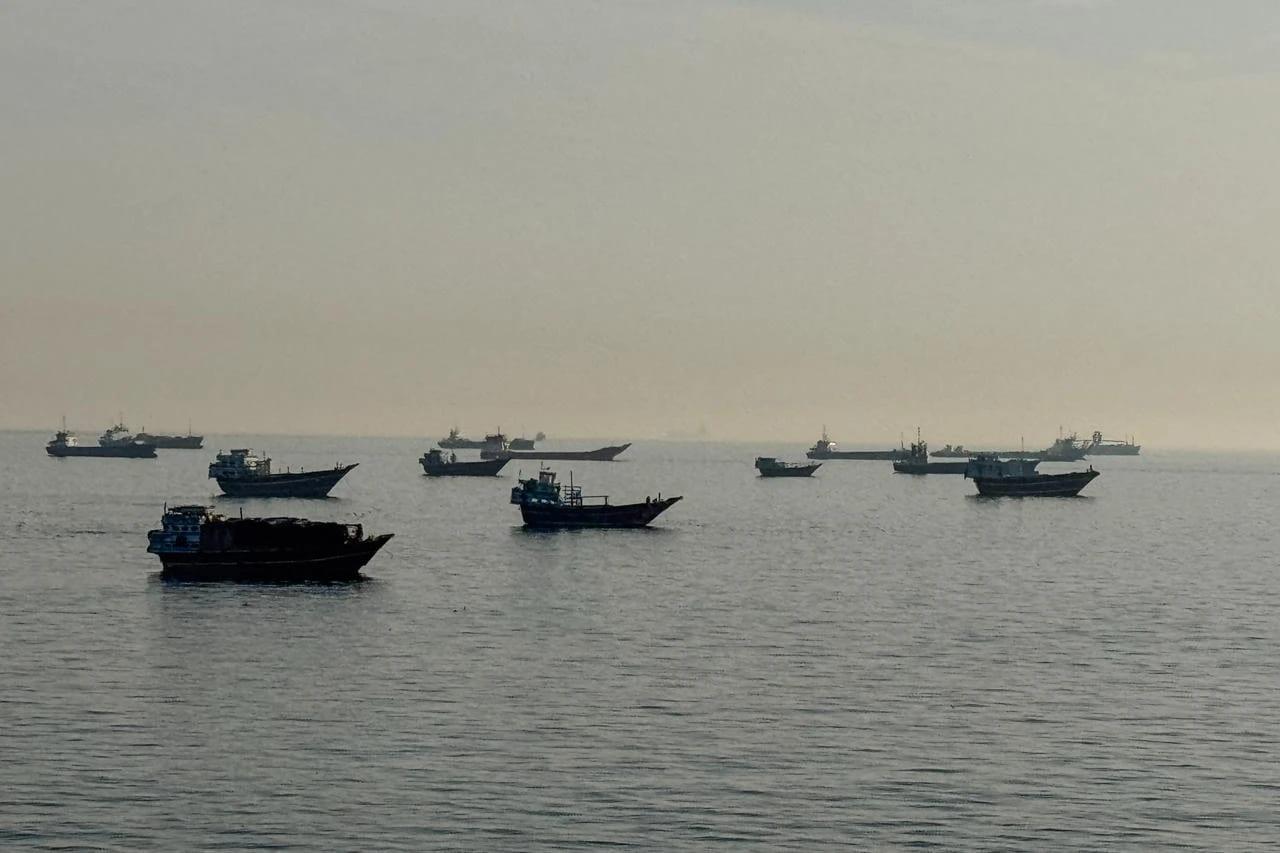
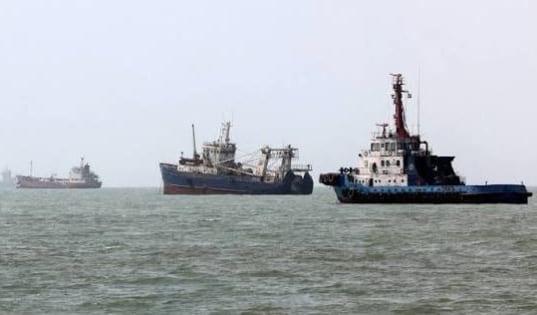
The Strait of Hormuz, a critical maritime chokepoint for global oil shipments, has been particularly affected by the recent tensions. The disruption of trade through this strait has significant implications for the global economy, including potential increases in oil prices and supply chain disruptions. Peru, as a trading nation, is acutely aware of these risks.
The decision to cut ties with Iran is not without precedent. Several countries have taken similar actions in response to Iran's perceived aggression and influence in the region. This move by Peru underscores the growing international concern over Iran's actions and their impact on global stability.
For Bangladesh, this development highlights the interconnectedness of global politics and trade. As a nation reliant on stable international relations for economic growth, Bangladesh must stay informed about such geopolitical shifts and their potential ripple effects on its own trade and security interests.