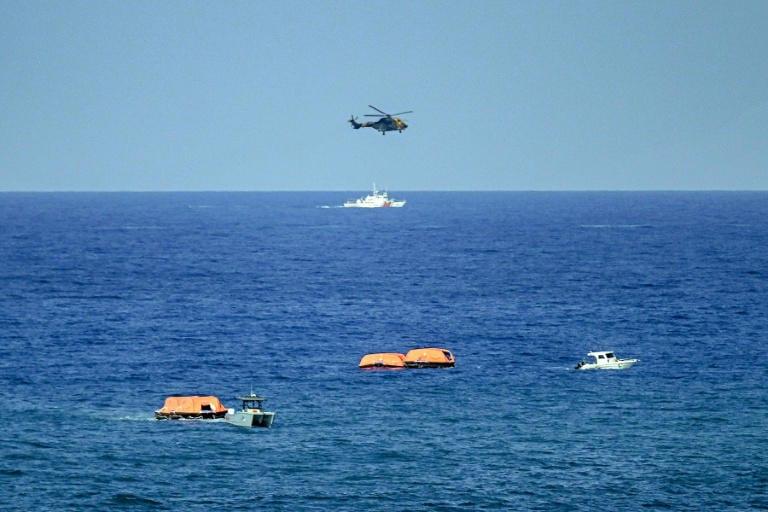
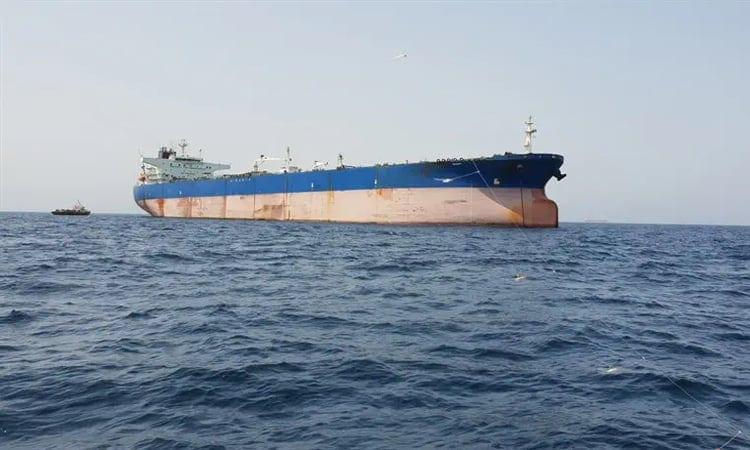
A Turkish cargo ship carrying rolled steel sank in the Marmara Sea near Istanbul after colliding with an oil tanker, leaving 10 crew members missing. Rescuers are continuing search and rescue efforts by sea and air after the incident, which occurred before dawn on September 2, 2026. The cargo ship, Tugberk Imamoglu, sank rapidly, with life buoys and an empty lifeboat found at the scene. The oil tanker, ALSU, which was damaged in the collision, is also participating in the search and rescue operations.
Incident Details
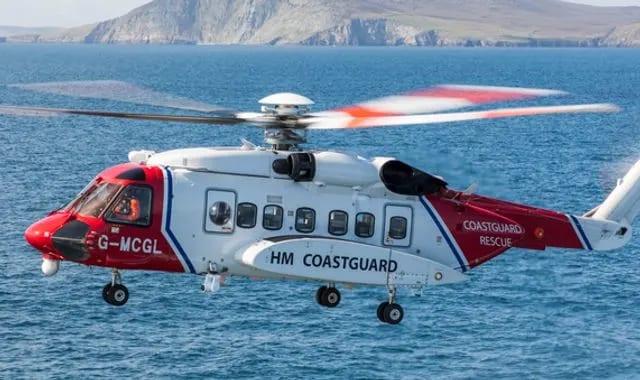
The collision occurred 18 nautical miles off the Silivri district, on the western edge of Istanbul province. Turkish Transport Minister Abdulkadir Uraloglu reported that the sinking happened very quickly, within 11 minutes of the emergency call received at 0326. The ship went down in approximately 900 meters of water, with 14 vessels and a helicopter involved in the ongoing search and rescue efforts.
Search and Rescue Operations
Despite finding life-saving equipment, including a lifeboat from the Tugberk Imamoglu, no survivors have been located yet. The ship was carrying 4,200 tons of rolled sheet metal and rebar at the time of the collision. The ALSU, initially reported to be carrying motor oil, was confirmed to be empty by the governorate.
Background and Context
The Tugberk Imamoglu, a Turkish-flagged cargo ship built in 1990, is 90 meters long. This incident follows a deadly ferry accident off Northern Cyprus three days prior, where eight Turkish nationals died and 20 are still missing. Maritime safety and rescue operations are critical in these regions, given the high volume of shipping traffic and the potential for such incidents.
Why This Matters for Bangladesh
Bangladesh, with its extensive coastline and reliance on maritime trade, faces similar risks. Ensuring robust search and rescue capabilities, as well as adhering to international maritime safety standards, is essential to protect lives and maintain trade efficiency. Incidents like these highlight the need for continuous improvement in maritime safety protocols and emergency response mechanisms.