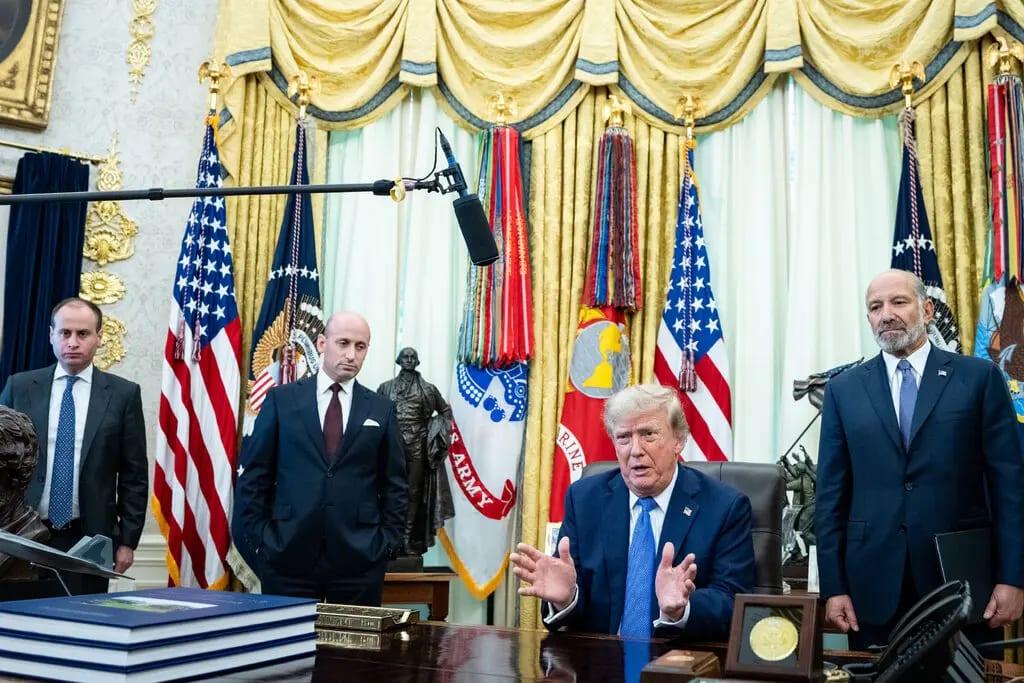
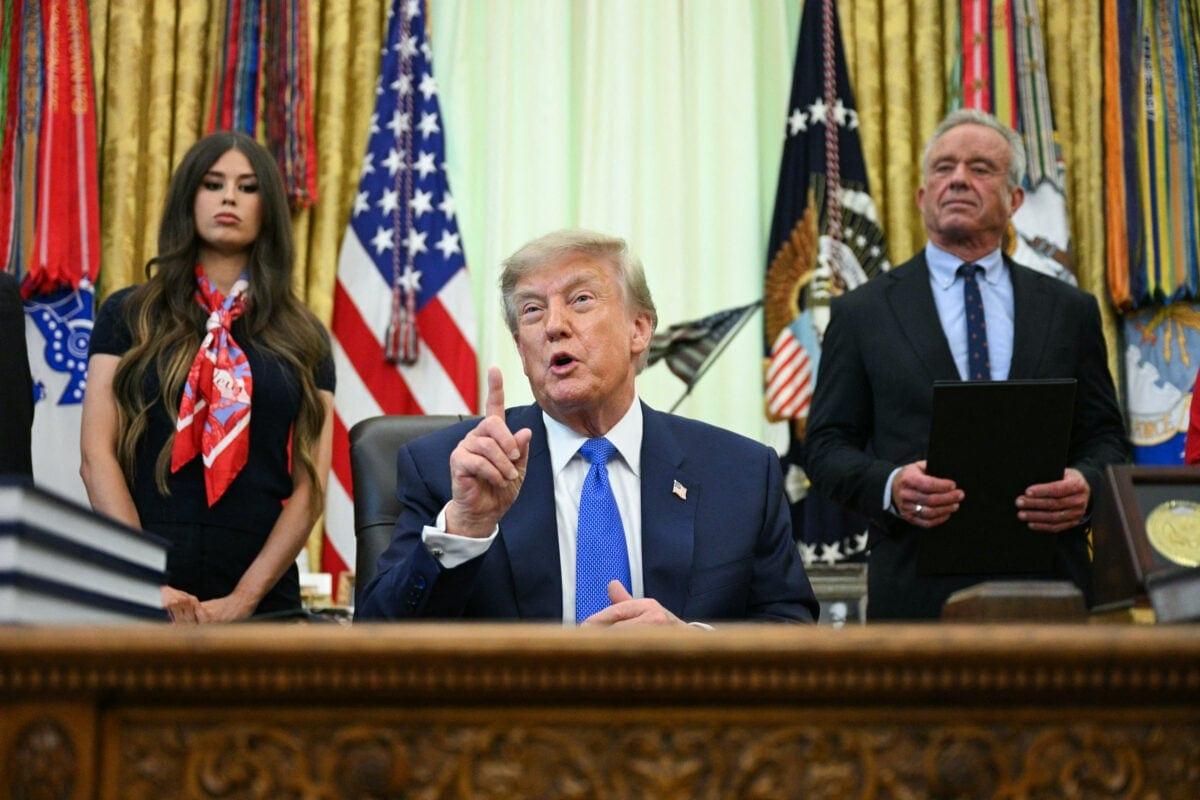
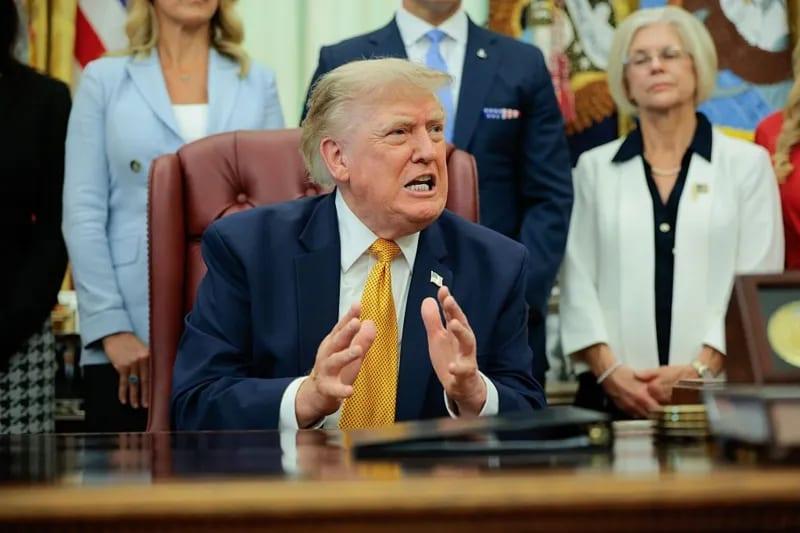
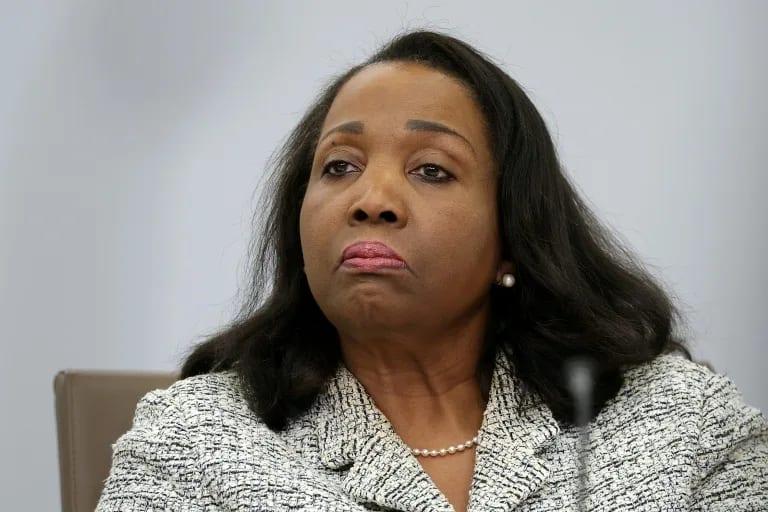
A US federal judge on Wednesday blocked the Trump administration from enforcing a new executive order limiting who qualifies for birthright citizenship. The move thwarts President Donald Trump's latest attempt to restrict the constitutional right, which comes after the US Supreme Court rejected his previous effort. US District Judge Deborah Boardman of Maryland issued a preliminary injunction following an appeal by rights groups who challenged Trump's executive order from August 6 targeting what he termed 'birth tourism.'
Background and Context
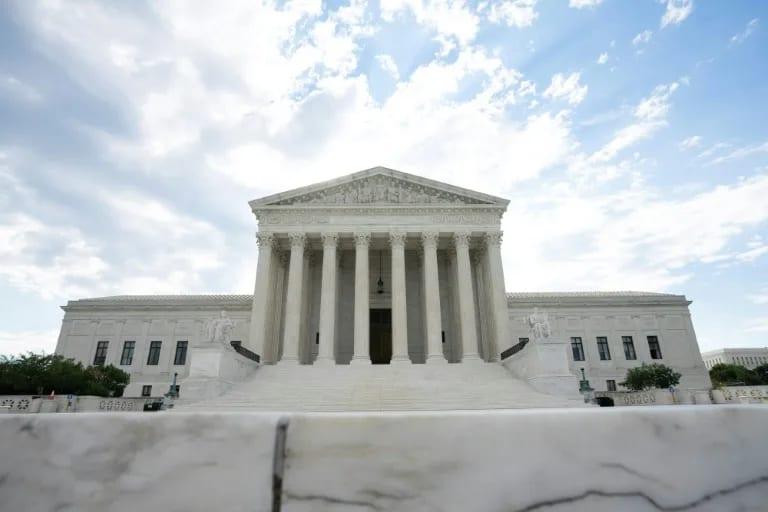
The president's efforts to curb birthright citizenship are part of his wider campaign to limit immigration, which includes expelling millions of undocumented migrants and removing deportation protections from nationals of more than a dozen countries. In his first executive order on the issue, Trump said that children born to parents in the United States illegally or on temporary visas would not automatically become US citizens. Lower courts blocked that move, ruling that under the Citizenship Clause of the 14th Amendment to the US Constitution, nearly everyone born on US soil is an American citizen. The Supreme Court agreed.
Trump's fresh executive order was aimed at those who he alleges enter the country under the guise of tourism while actually intending to give birth. Judge Boardman wrote in her 35-page ruling that 'the Supreme Court has spoken: Children in the certified class are 'citizens at birth',' adding the president's August order 'is almost certainly unconstitutional.' Immigrant rights groups cheered the decision.
Implications and Reactions
'When it comes to attacking birthright citizenship, the Trump administration has lost before this court, lost before the Supreme Court, and lost again today,' said Shana Khader, Legal Director at We Are CASA, a Maryland-based group. This decision underscores the ongoing legal challenges the administration faces in its efforts to reshape US immigration policy. It also highlights the robust protections under the 14th Amendment, which have consistently been upheld by the courts.
The ruling is a significant victory for immigrant rights advocates who argue that birthright citizenship is a fundamental constitutional right. It also reflects the broader legal and political battles over immigration that have defined much of Trump's presidency. As the administration continues to push for stricter immigration policies, this latest setback suggests that such efforts will face continued resistance in the courts.