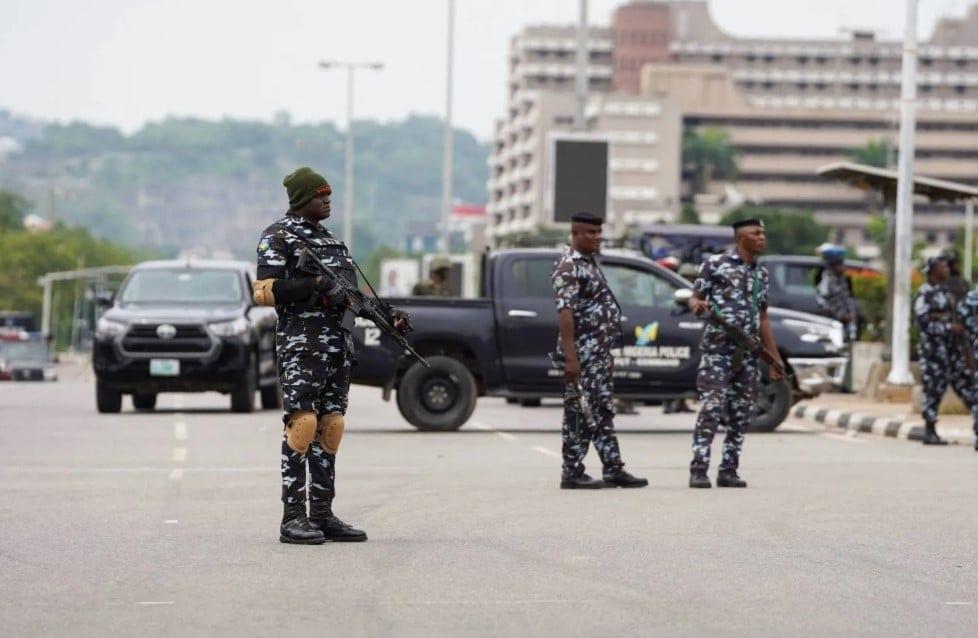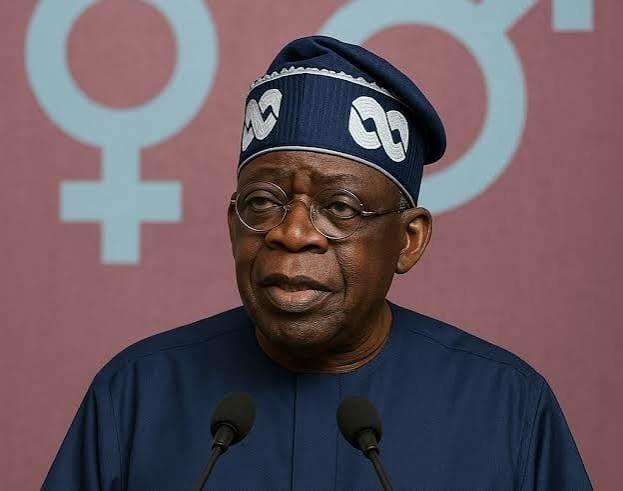
Nigeria's decision to raise military salaries by up to 80% aims to boost the morale of troops struggling with rampant insecurity across the country. Starting in September, the new pay package will see the annual wage bill for the armed forces increase from 660 billion naira to 924 billion naira, benefiting approximately 250,000 personnel.
The pay rise comes amid a backdrop of economic challenges for many Nigerians, including rising living costs and inflation that has eased slightly but remains at 15.91%. Despite these economic hurdles, President Bola Tinubu's administration continues to implement reforms intended to stabilize the economy and attract international investors.
According to the presidency, the increase is a sign of deep appreciation for the military's efforts in protecting the nation. Officers above the rank of colonel will receive a 30% salary increase, while personnel from colonel down to warrant officer will see a 50% increase. Privates to Staff Sergeants will benefit from an 80% increase.
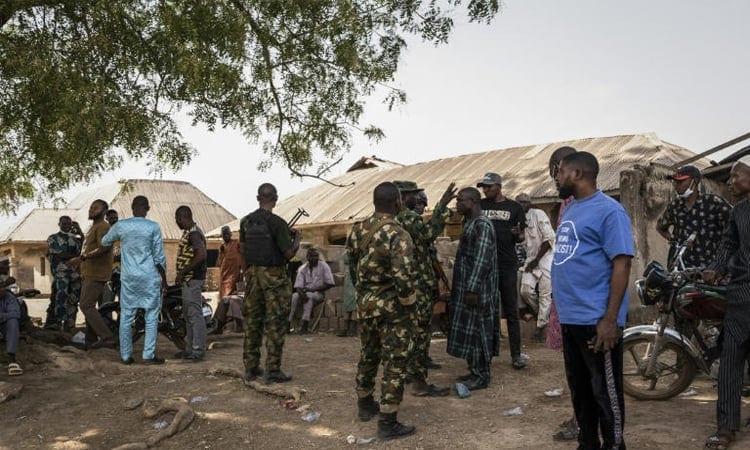
Nigeria has been grappling with a 17-year jihadist insurgency in the northeast, farmer-herder conflict in the north central region, violent secessionist movements in the southeast, and rampant kidnappings in the northwest. The government hopes the salary increases will help retain and motivate troops in these challenging circumstances.
The economic impact of the pay rise on the broader Nigerian economy remains to be seen. With 61% of Nigerians living in poverty, according to the World Bank, the additional financial burden on the government could exacerbate existing economic strains. However, President Tinubu's administration believes the investment in the military is crucial for national security.