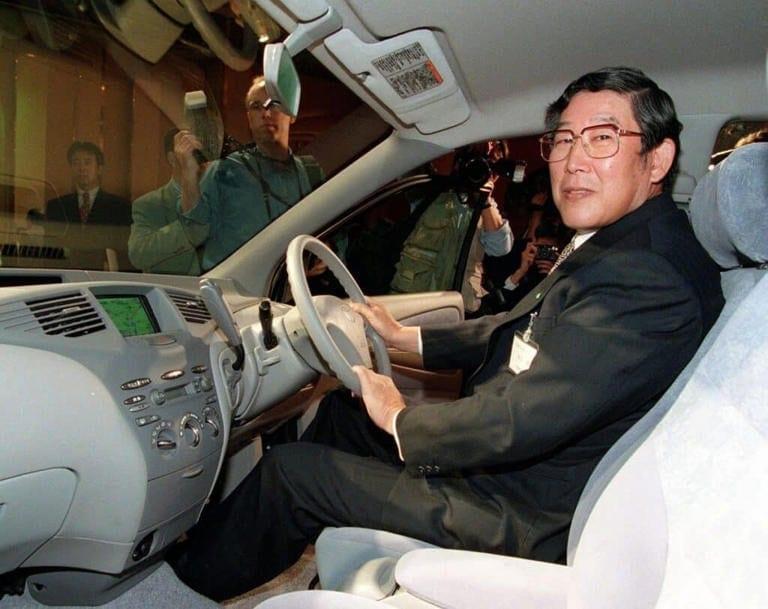
A transformative figure in the automotive industry, Hiroshi Okuda, who steered Toyota through a period of remarkable growth and innovation, has died at the age of 93. Okuda's tenure at the helm of Toyota from 1995 was marked by the introduction of game-changing vehicles, including the Prius, the world's first mass-produced petrol and electric hybrid, which helped pave the way for the modern electric vehicle market.
Before Okuda's leadership, Toyota was seen as a conservative company. His arrival as the first non-family president in decades brought a fresh perspective and a push for innovation. The introduction of the Prius, along with other models like the RAV4, reflected Okuda's vision to modernize the company and cater to evolving consumer demands.
Under Okuda's guidance, Toyota expanded its global footprint, establishing factories around the world and surpassing General Motors to become the world's largest automaker by sales. His influence extended beyond the boardroom, as he also served as the head of Japan's largest business lobby, Keidanren, and advised the Japanese government on economic policy.
Okuda's career was not without adventure; he once trekked through a jungle to meet with leftist guerrillas while managing Toyota's operations in the Philippines in the early 1970s. His legacy is not only in his professional achievements but also in his commitment to making Toyota more dynamic and forward-thinking.
Toyota's confirmation of Okuda's passing marks the end of an era for the automotive giant. Okuda's contributions to the industry will be remembered as pivotal in the shift towards sustainable transportation and the global expansion of a Japanese icon.