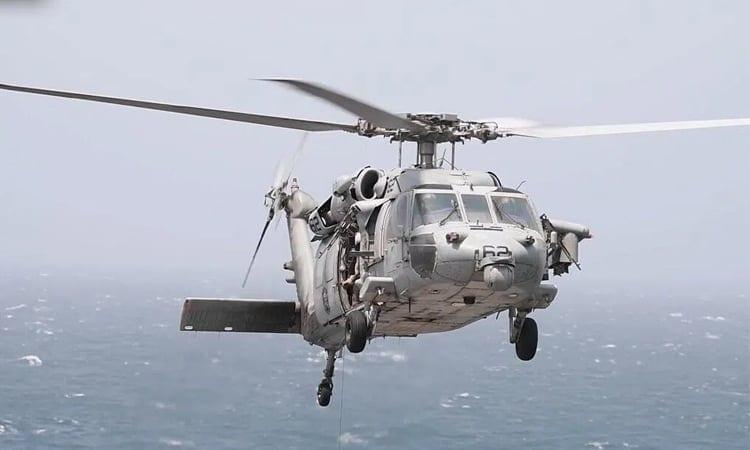
In a significant escalation of the ongoing conflict between the United States and Iran, US forces have targeted a Panama-flagged cargo ship, the M/V Vela Nova, for attempting to breach the American blockade of Iran's ports. According to the US military, a US Navy MH-60 helicopter fired missiles into the ship's engine room, disabling it after repeated warnings were ignored by the civilian crew. The US Central Command (CENTCOM) confirmed that the vessel is no longer heading towards Iran.
Blockade Reinforced and Expanded
This incident marks the third time since July 14 that US forces have forcibly stopped a ship attempting to run the blockade of Iranian ports. According to CENTCOM, the United States has redirected 55 ships and boarded two others since re-establishing the blockade. The blockade was previously in place from April 13 to June 18, during which US forces disabled nine ships and redirected over 140.
The Strait of Hormuz, a critical route for oil and gas shipments, has seen reduced traffic due to Iranian attacks on ships in the area. Iran has demanded that the United States end the blockade as part of its conditions for reopening the strait. US President Donald Trump has reiterated that the US has total control over the strait, a claim that adds to the escalating tensions between the two nations.
Geopolitical Implications and Verification Needs
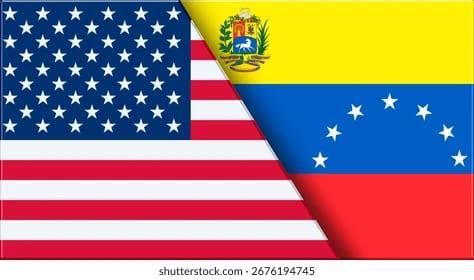
The US action against the M/V Vela Nova underscores the escalating military confrontation between the US and Iran. The US has been enforcing a blockade of Iranian ports as part of its broader strategy in the conflict. However, the blockade has faced criticism from international bodies and other nations, which view it as an act of aggression.
As the conflict continues, the US military's actions are likely to have significant implications for global shipping and energy markets. The situation in the Strait of Hormuz remains a critical point of focus for international observers, given its importance to global oil supplies.