The Pulse Today
BREAKING
Sajib Pledges Aid for 50,000 Flood-Affected People in SonargaonMP Azharul Islam Mannan Distributes Relief Funds to Needy Families in SonargaonParliament Proposes Anti-Gambling Bill with Maximum 7-Year Prison PenaltyOpenAI Unveils 'Schedule' Feature to Boost Task Management in AI ChatbotPrime Minister Tareq Rahman Arrives in Dalian, China for Economic ForumEurope Confronts Intense Heatwave; Conditions Predicted to DeteriorateGold Prices Rise Again in Bangladesh Amid Global Market IncreaseSpaceX's Nasdaq Debut Values Company at Over $2 Trillion, Surpassing AmazonStudy Reveals AI Data Centers Contribute to Local Temperature IncreasesNarayanganj BNP Youth Wing Holds Rally to Welcome New Central CommitteeYamal and Raphinha star as Barcelona thrash Rayo Vallecano 5-2Over 2,500 Buildings Destroyed in Nepal's Trishuli Valley by Glacial FloodsLionel Messi's Argentina Career: Six Key MomentsDrone Attack Ignites Major Fire at Russia's Vital Baltic Oil Port: GovernorLionel Messi Announces Retirement from International Football After Second World Cup FinalNepal PM Urges Immediate Global Climate Action After Devastating Himalayan DisasterMexico Suspects Jalisco Nueva Generacion Cartel in Ojocaliente Car Bomb AttackPutin and Xi Convene at Kyrgyzstan SCO Summit Amidst Heightened Global TensionsWorkshop Advocates for Enhanced Public Awareness on Rooftop Solar Power AdvantagesChattogram BNP Commemorates Shaheed Zia on Party's 48th AnniversaryEight Injured in Passenger Bus Overturn on Dhaka-Mawa ExpresswayShafik Rehman and Mahmudur Rahman Elected as Leaders of National Editors CouncilChatGPT Under Stricter EU Scrutiny as First AI Chatbot Governed by DSAGarment Worker Dies in Gazipur Road Accident, Sparking ProtestsCCCI President Urges Shift to Knowledge-Based Economy for Enhanced Investment in Bangladesh

Over 2,500 Buildings Destroyed in Nepal's Trishuli Valley by Glacial Floods

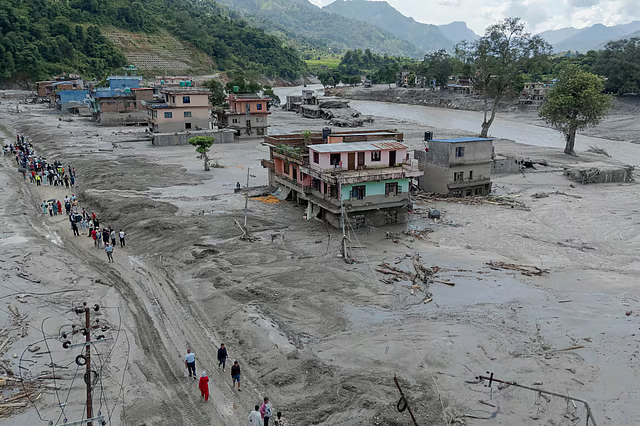
More than 2,500 buildings were destroyed in Nepal's Trishuli valley due to tsunami-like glacial floods on August 26, according to data from Europe's Copernicus observatory.

By Staff Correspondent
Share
At least 2,500 buildings destroyed in Nepal valley: data analysis | International
BSS

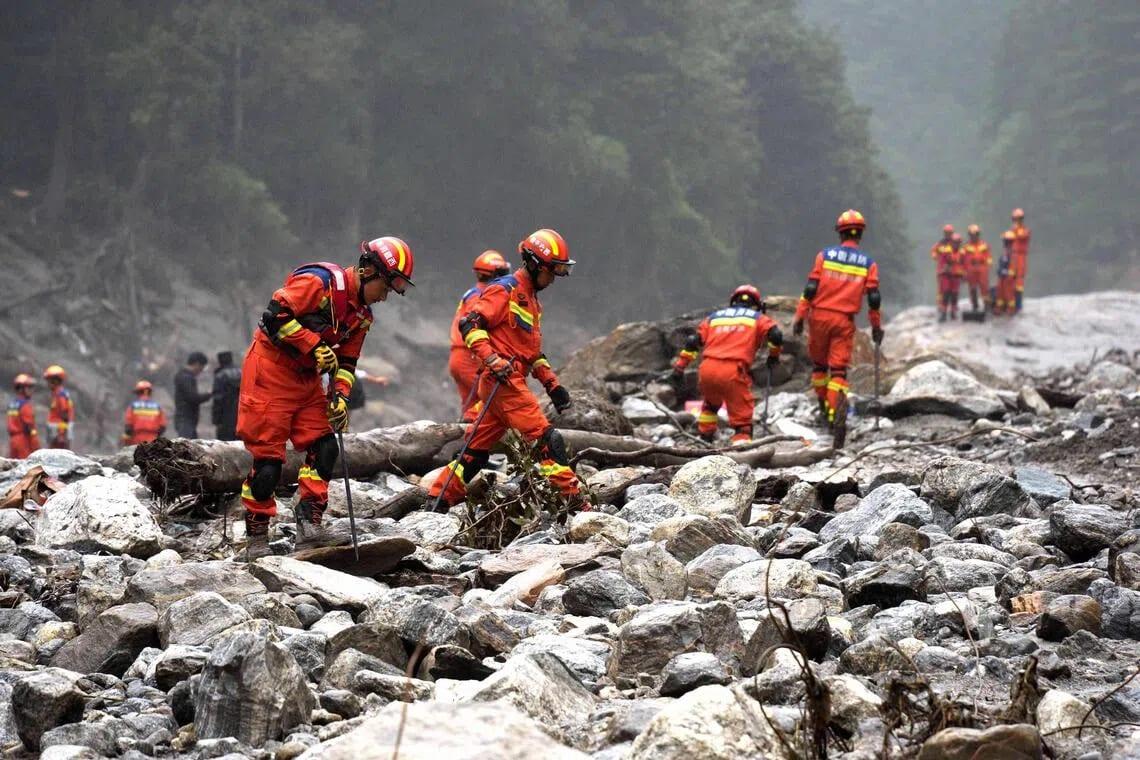
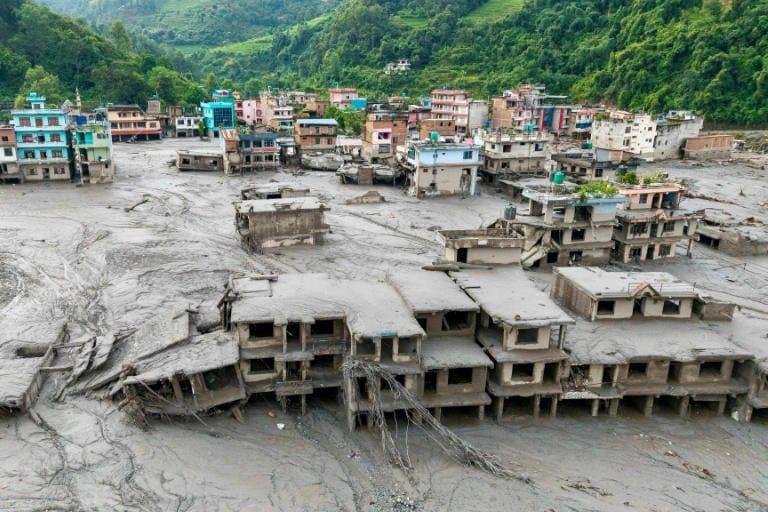
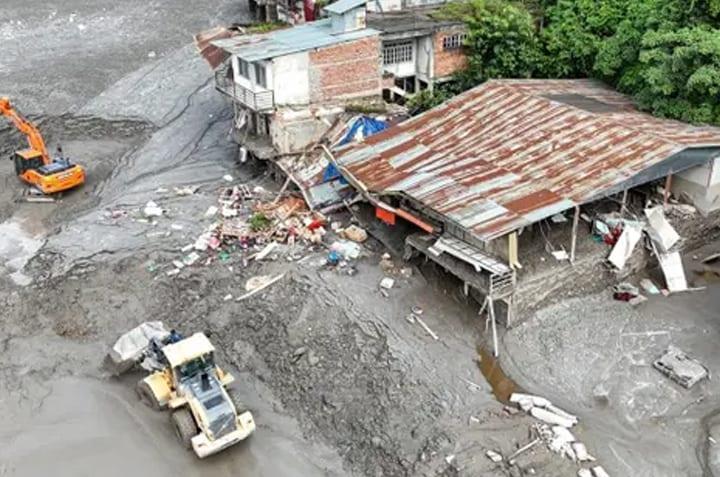
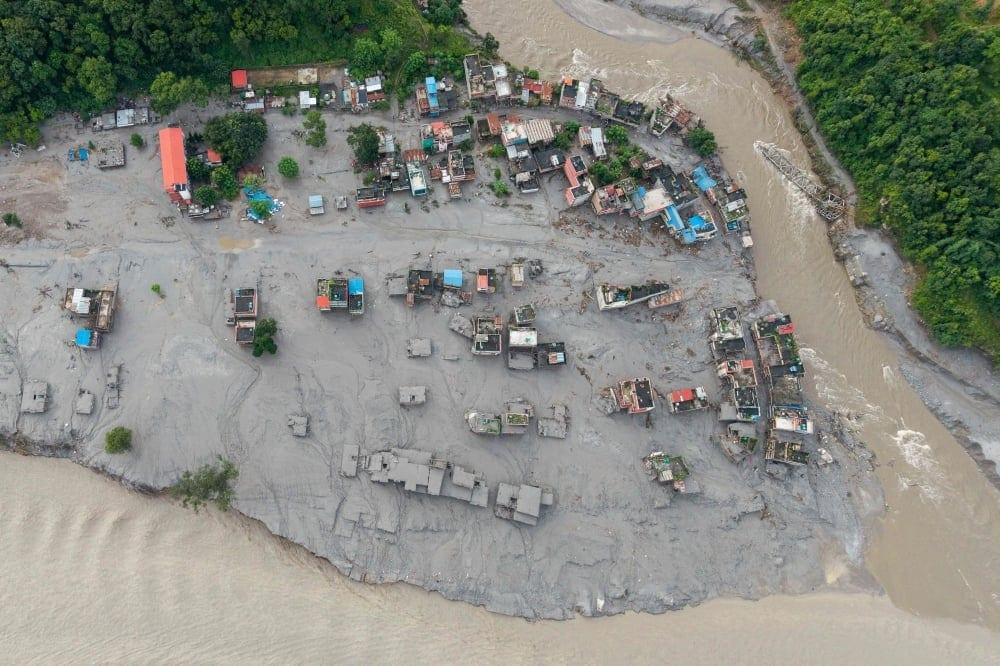
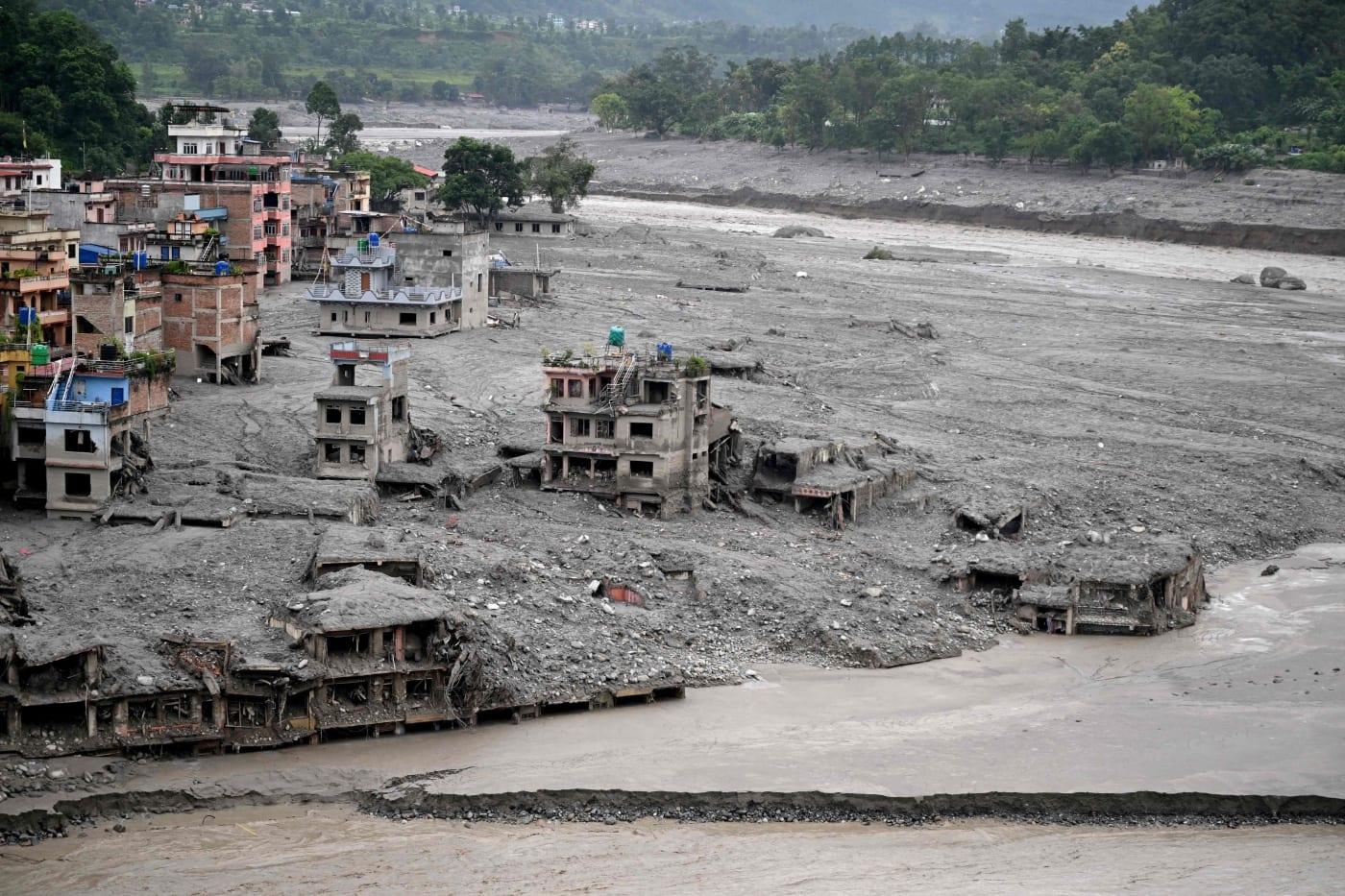
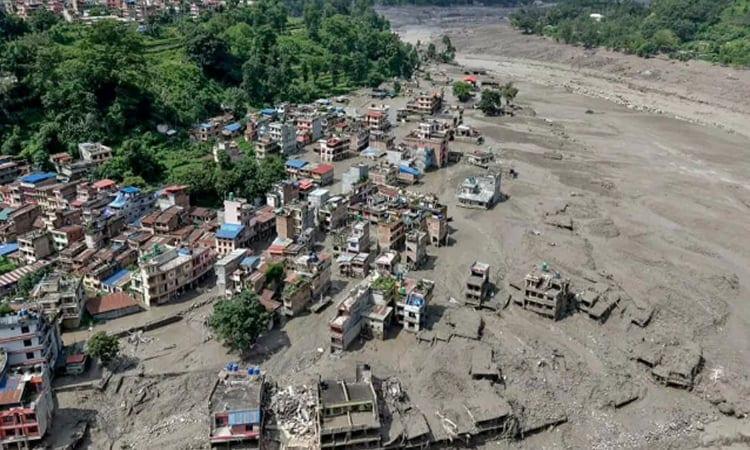
In the aftermath of a devastating glacial flood, the Trishuli valley in Nepal lies in ruins. On August 26, tsunami-like waters surged through the region, leaving behind a trail of destruction. According to a computation of data from Europe's Copernicus observatory, at least 2,500 buildings were completely destroyed. This represents approximately two-thirds of all buildings in the three zones most affected by the disaster.

The affected areas include parts of the towns of Timure, Syabrubesi, and Bidur, located north of the capital, Kathmandu. These regions were home to nearly 6,000 people before the flood. The proportion of damaged structures rises significantly when partially damaged buildings are included, affecting more than seven out of ten buildings. This stark figure underscores the sheer violence of the flood as it tore through the valley.

The small border town of Timure and its surroundings suffered the most, losing more than 80 percent of their buildings. Further south, Syabrubesi, a village known as the starting point for the famous Langtang trek and a route frequently used by Hindu pilgrims, lost nearly three-quarters of its buildings. In Bidur, the administrative center of the Nuwakot district and the base for rescue teams, more than 1,800 buildings were destroyed, accounting for three out of every five structures.

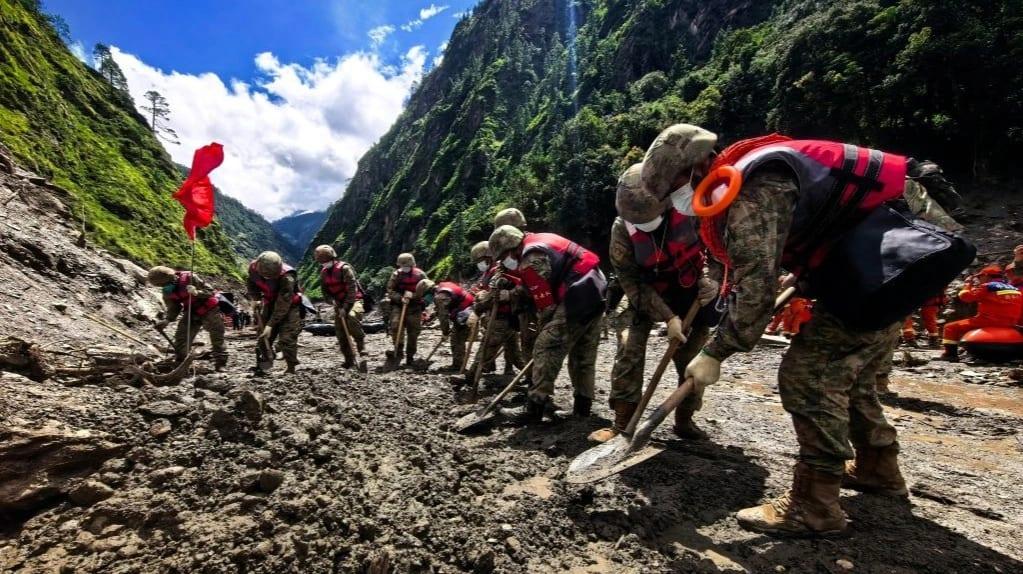
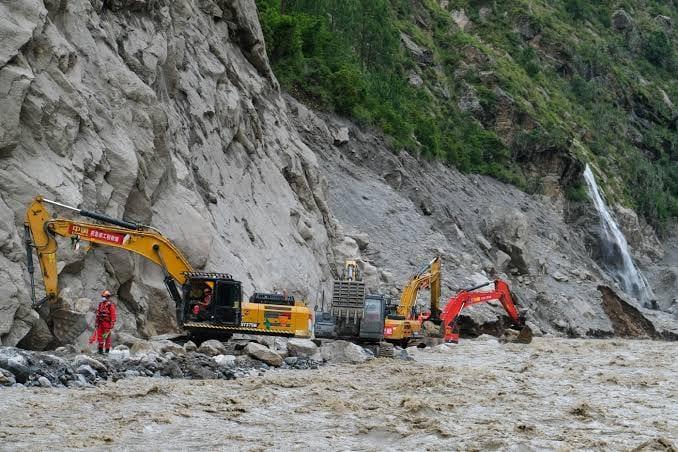
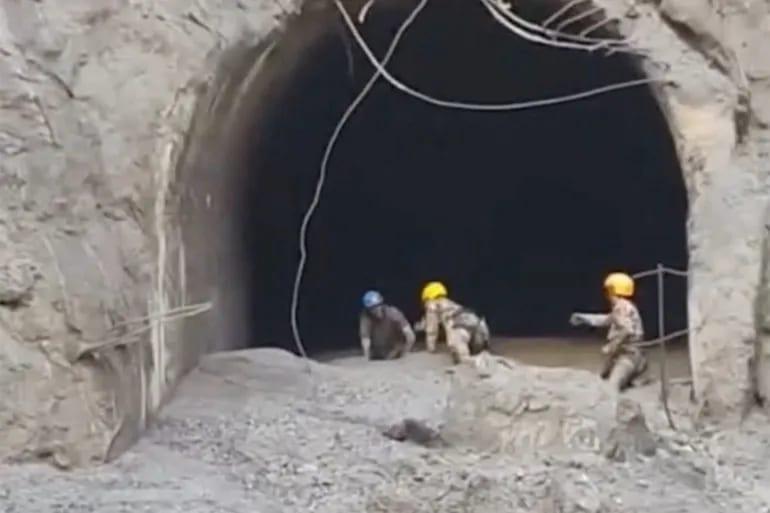
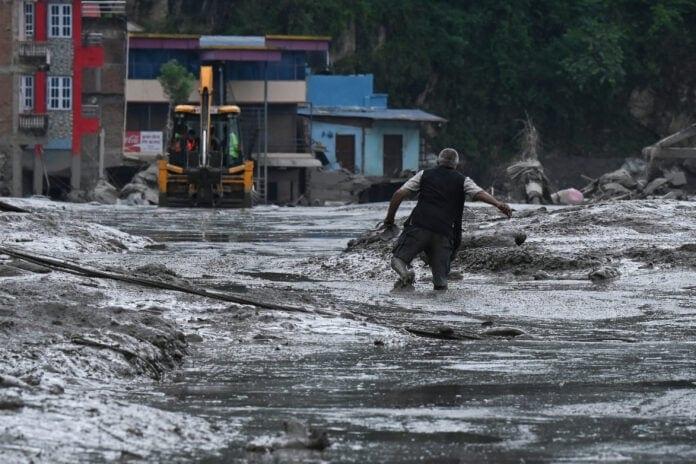
Beyond residential homes, the disaster also destroyed critical infrastructure such as roads and bridges, complicating efforts to deliver aid and search for the missing. Scientists attribute the flash flood to the collapse of a massive glacier in the Himalayas. The floodwaters raced approximately 20 kilometers (12 miles) down from the glacier, sweeping through the Gyirong border post between Nepal and Tibet, an autonomous region of China.

The destruction has left the local population in a state of crisis, with many left homeless and without access to essential services. The long-term impact on the region's economy and social fabric remains to be seen, but the immediate need for relief and reconstruction is evident. International aid organizations and governments are now focusing their efforts on providing assistance to the affected communities.
Source: BSS

Topics

Comments

Related stories

More in World

See all →

Latest stories