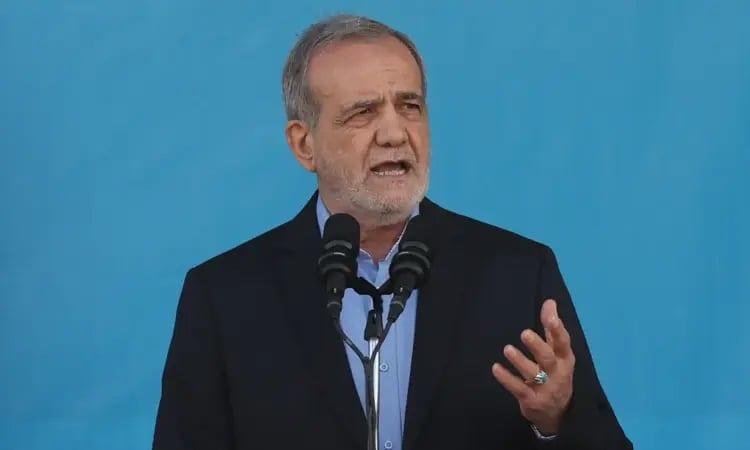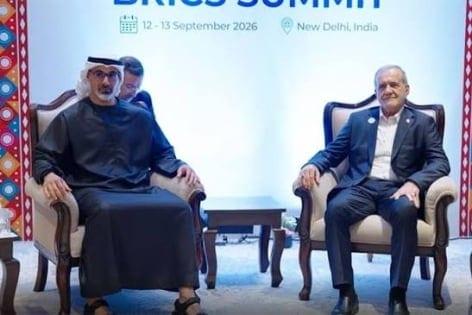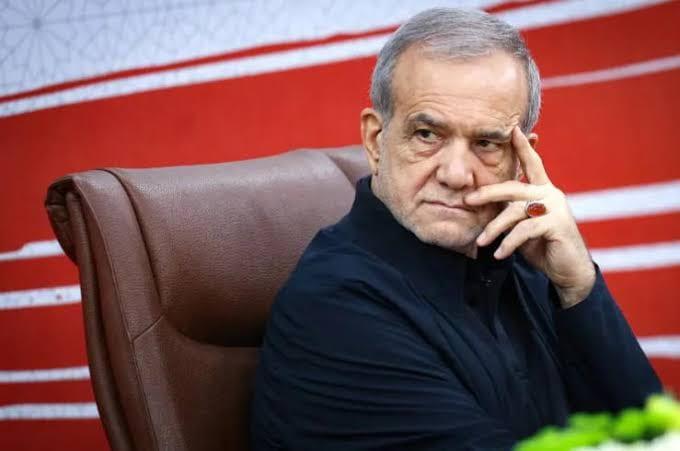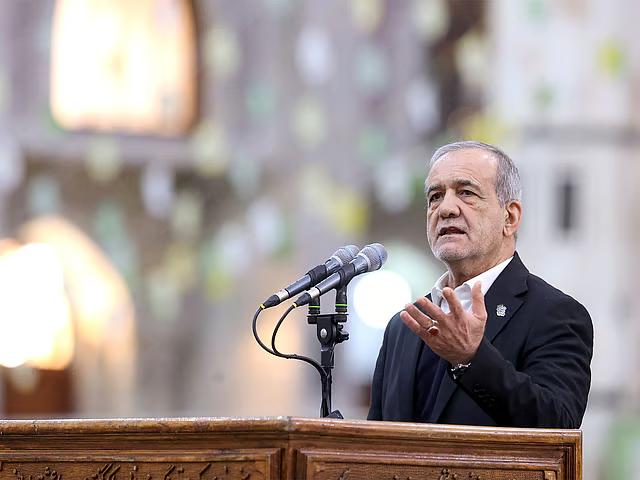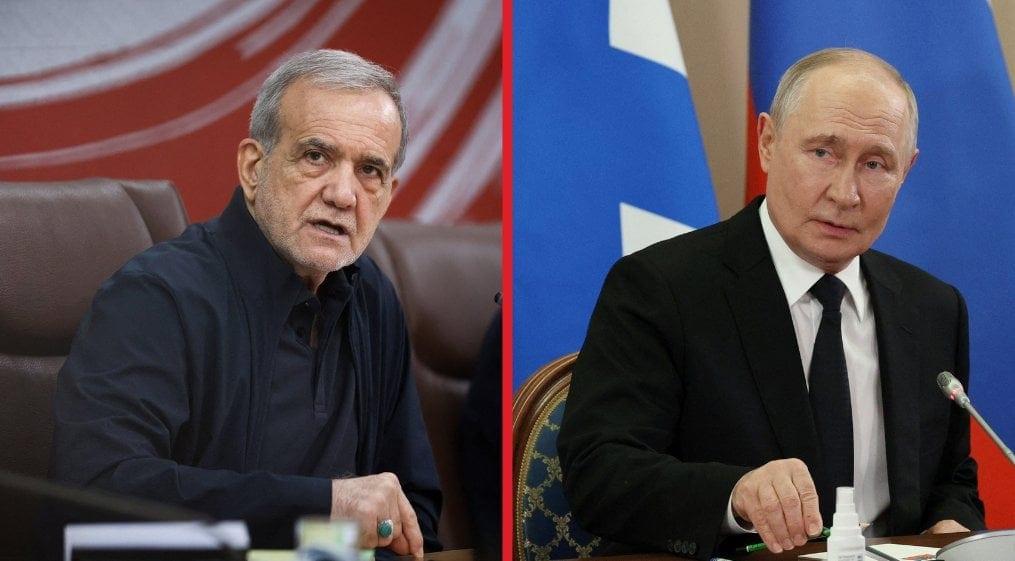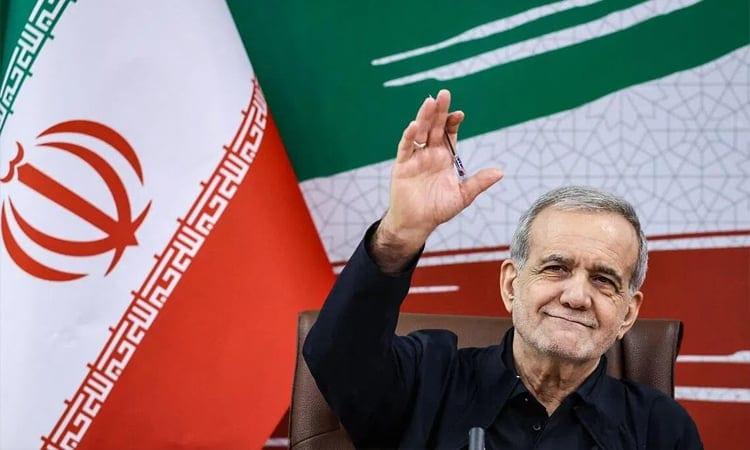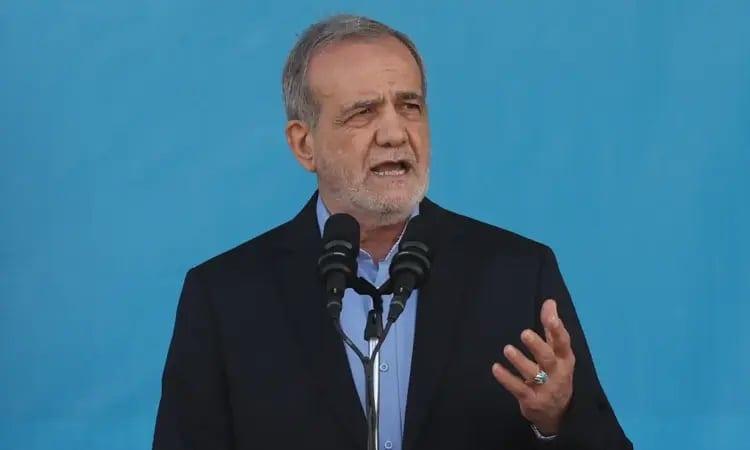
Iran's President Masoud Pezeshkian acknowledged on Wednesday that communication with the country's Supreme Leader, Mojtaba Khamenei, is currently very difficult. Khamenei, who was injured in a recent US-Israeli strike that sparked the Middle East conflict, has not been seen in public since he assumed leadership following his father's death in the same attack. Despite these challenges, Pezeshkian emphasized the strength Khamenei provides for the nation's resilience.
Background on Khamenei's Absence
Khamenei has been communicating through written statements but has maintained a low profile during Iran's conflict with the United States, leading to speculation about his relationship with other top officials. Notably, he did not attend the funeral ceremonies for his father, which took place last month.
Pezeshkian's Defense of Khamenei
Pezeshkian defended Khamenei, stating that he has had productive meetings with the Supreme Leader and has been met with 'kindness and very sound logic'. He criticized the negative portrayal of Khamenei by 'malicious people', emphasizing the need to see the leader's positive contributions.
Implications of Khamenei's Low Profile
Khamenei's absence from public view has fueled rumors about his health and his relationship with other Iranian officials. This has also raised questions about the stability and direction of Iran's leadership amid ongoing international tensions.
Why This Matters for Bangladesh
Bangladesh, maintaining diplomatic ties with Iran, may find its regional security and economic interests affected by the political stability within Iran. The communication challenges within Iran's leadership could have broader implications for the geopolitical landscape in South Asia.