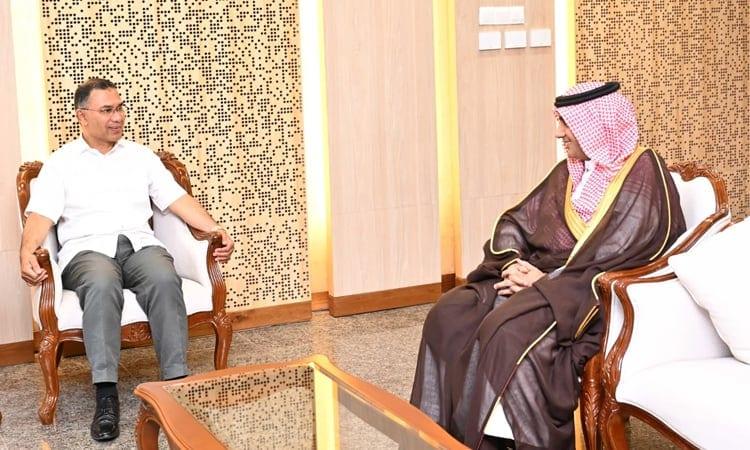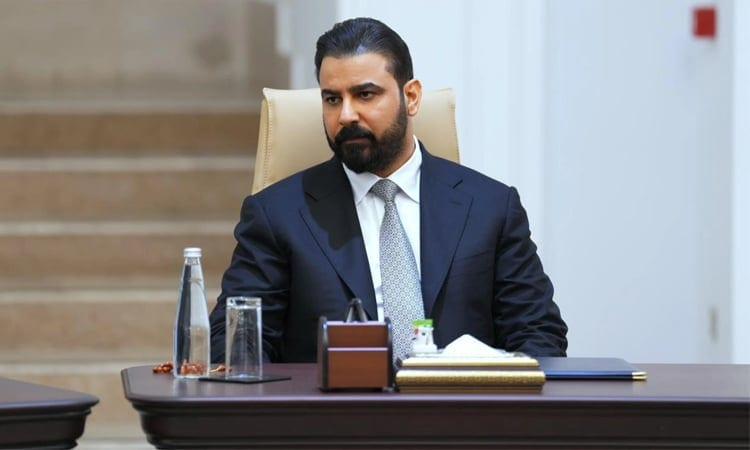
Iraqi Prime Minister Ali al-Zaidi has accepted a renewed invitation to visit Riyadh from the Saudi leadership, following recent US-Saudi strikes that targeted Iran-backed groups in Iraq. The strikes, which took place on July 29 and resulted in the deaths of 20 militants, including five Iranians, had led to the cancellation of Zaidi's planned visit in late July. Saudi intelligence chief Khalid bin Ali al-Humaidan delivered the renewed invitation during a meeting with Zaidi, according to his media office.
The US-Saudi strikes followed Riyadh's interception of drones targeting oil facilities, which Saudi authorities blamed on Iran-backed groups operating from Iraq. The attacks also came amid growing US pressure on Baghdad to disarm pro-Iran armed groups that have targeted US facilities numerous times during the ongoing Middle East conflict. Despite Zaidi's commitment to ensuring these groups disarm by September 30, significant challenges remain due to pushback from powerful factions.
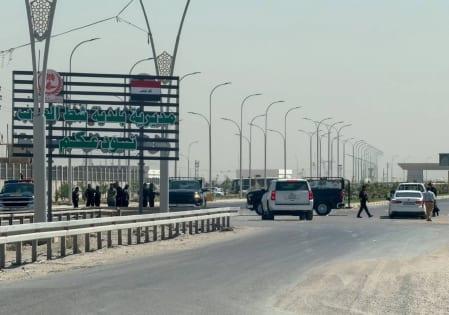
In response to the strikes, Tehran-backed groups in Iraq had planned to retaliate but later decided to postpone their response following appeals from key political leaders, including Hadi al-Ameri of the Badr organization. The Iraqi government has increased security measures across the country to prevent any retaliatory attacks and to maintain stability amidst the heightened tensions between the US, Saudi Arabia, and Iran.
Iraq, positioned between the US and Iran, has long struggled to maintain a delicate balance between its two main allies. The recent developments underscore the ongoing challenges faced by Iraqi leaders in navigating the complex geopolitical landscape of the Middle East. The visit by Zaidi to Riyadh is seen as an opportunity to further discuss regional security and stability.
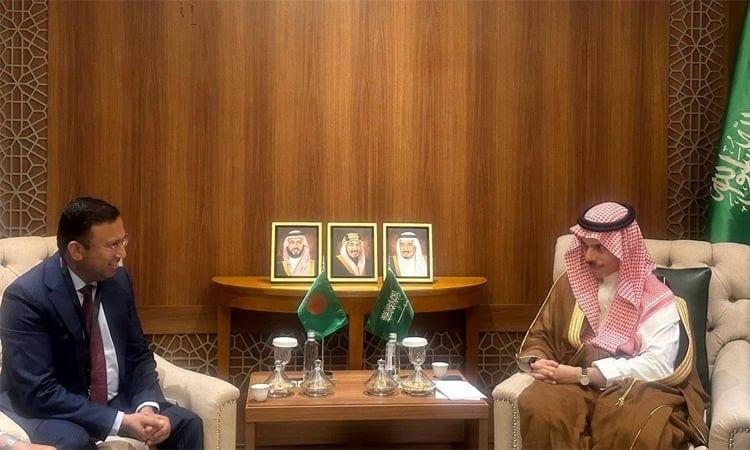
While the trip is set to proceed, the broader implications for Iraq's internal dynamics and its relations with both the US and Iran remain to be seen. For Bangladesh, these developments highlight the far-reaching impacts of regional conflicts and the need for continued diplomatic efforts to foster peace and stability in the region.