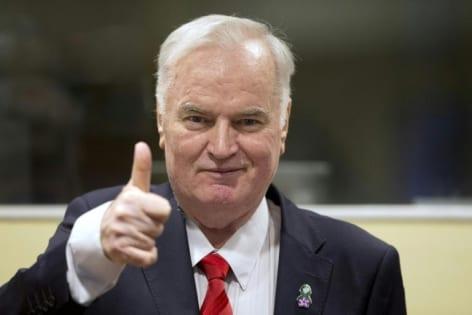
Convicted Bosnian Serb war criminal Ratko Mladic will be buried in Belgrade on Monday with thousands expected to honour a man dubbed the 'Butcher of Bosnia' by the international press. Mladic, who spent his last years serving a life sentence in The Hague for war crimes committed in Bosnia, was convicted for orchestrating the Srebrenica genocide, one of the worst European atrocities since World War II. His legacy remains deeply divisive, with some Serbs viewing him as a hero.
Mladic's military career began in the early 1960s when he left for army training in Belgrade. He rose to become the commander of the Bosnian Serb forces during the war. Despite being revered by his men, he was described by former Yugoslav army spokesman Ljubodrag Stojadinovic as 'narcissistic, conceited, vain and arrogant'. His wartime leadership was immortalized in murals around Republika Srpska, the Serbian entity within Bosnia.
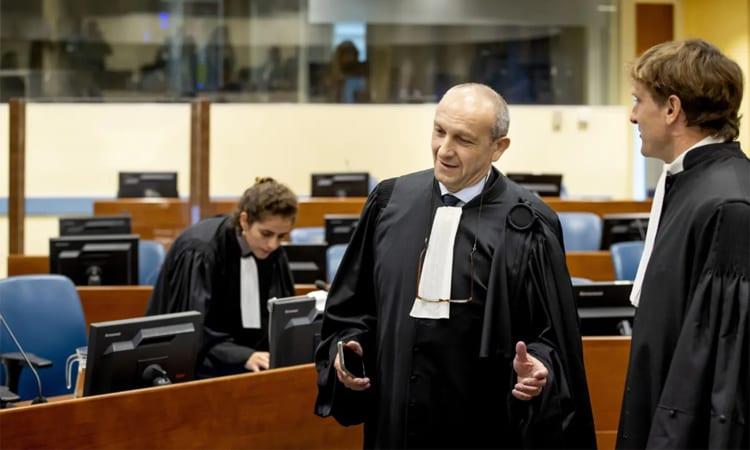
The tribunal in The Hague described Mladic's crimes as 'amongst the most heinous known to humankind'. These included the massacre of some 8,000 Muslim boys and men in Srebrenica in 1995. Former UN rights chief Zeid Ra'ad al Hussein described Mladic as 'the epitome of evil' after his conviction. Yet, inside Serbia and the Serb-majority entity in Bosnia, his legacy remains contentious, with some Serbs still viewing him as a hero.
FAQs
**What were Ratko Mladic's main war crimes?**
Ratko Mladic was convicted for orchestrating the Srebrenica genocide, where approximately 8,000 Muslim boys and men were massacred in 1995. He was also found guilty of overseeing the siege of Sarajevo, which lasted over three years and resulted in the deaths of thousands of civilians.
**How did Ratko Mladic view himself?**
Mladic often portrayed himself as a simple man chosen to protect his people. He cast himself as a crusader defending Serbs, claiming that he was defending his country against Western powers, the Vatican, and the Western mafia.
**What was the international reaction to Mladic's conviction?**
The international community largely viewed Mladic's conviction as a significant step towards justice for the victims of the Bosnian war. Former UN rights chief Zeid Ra'ad al Hussein described Mladic as 'the epitome of evil' after his conviction.