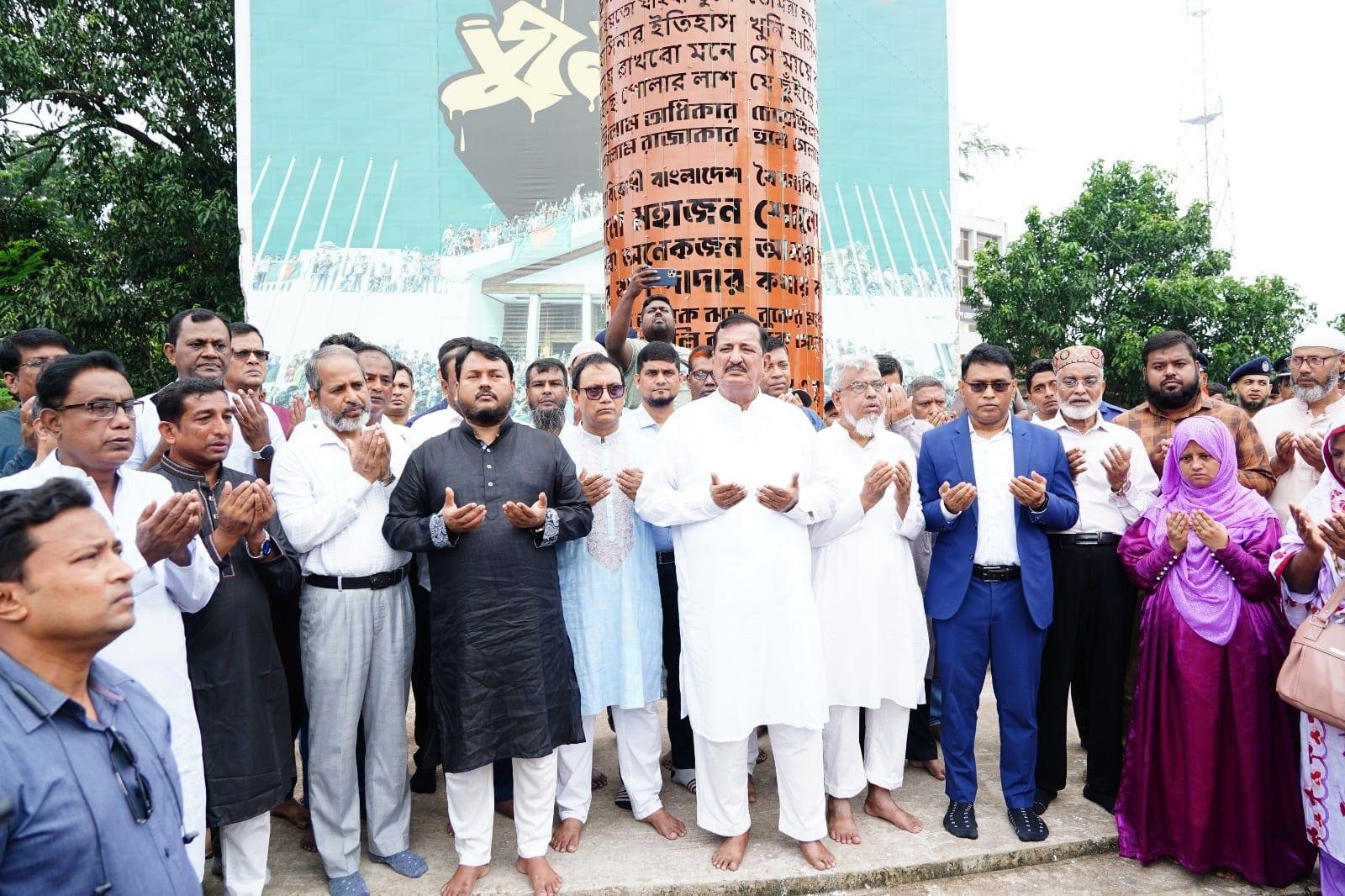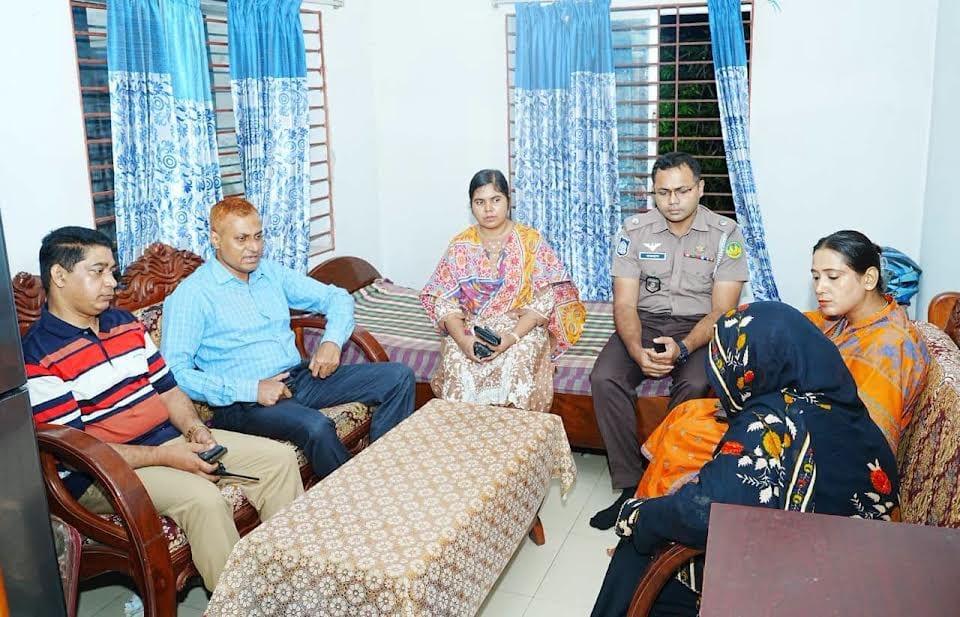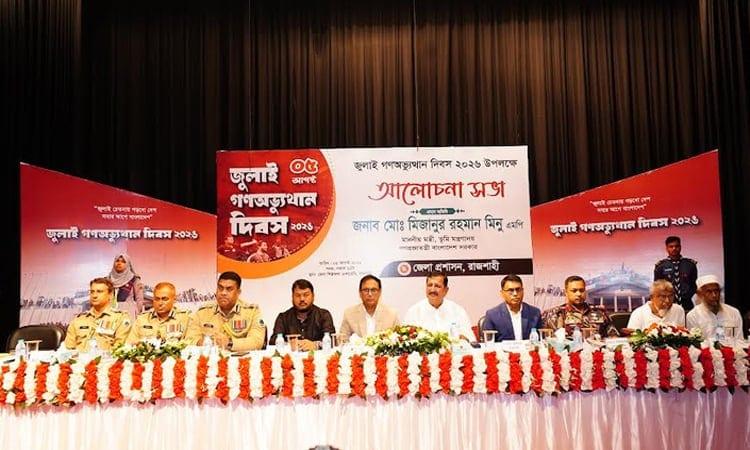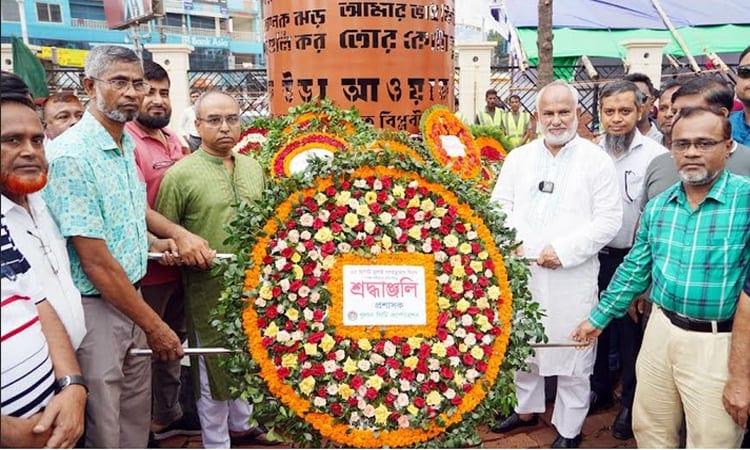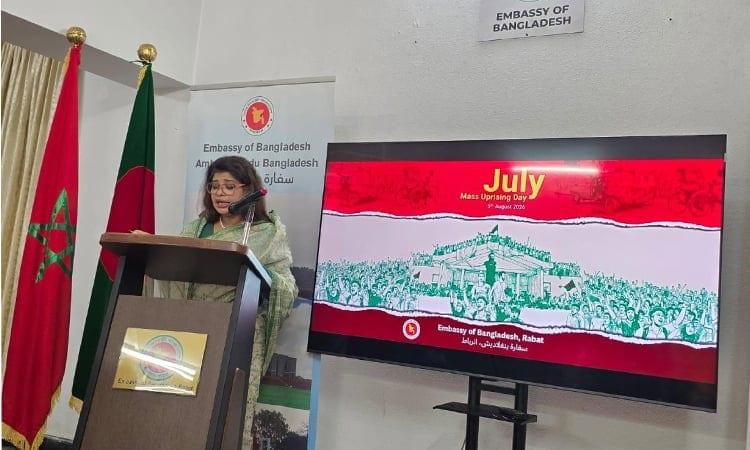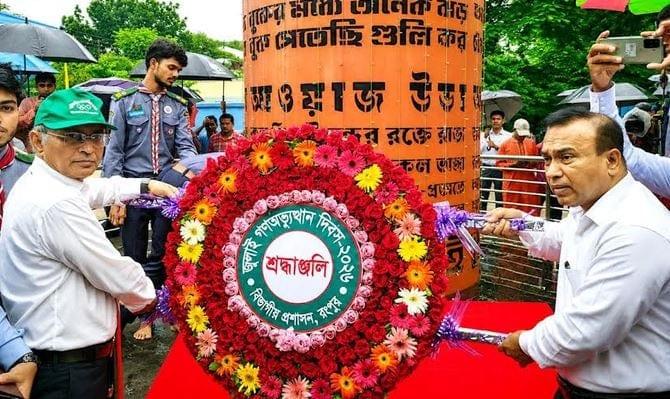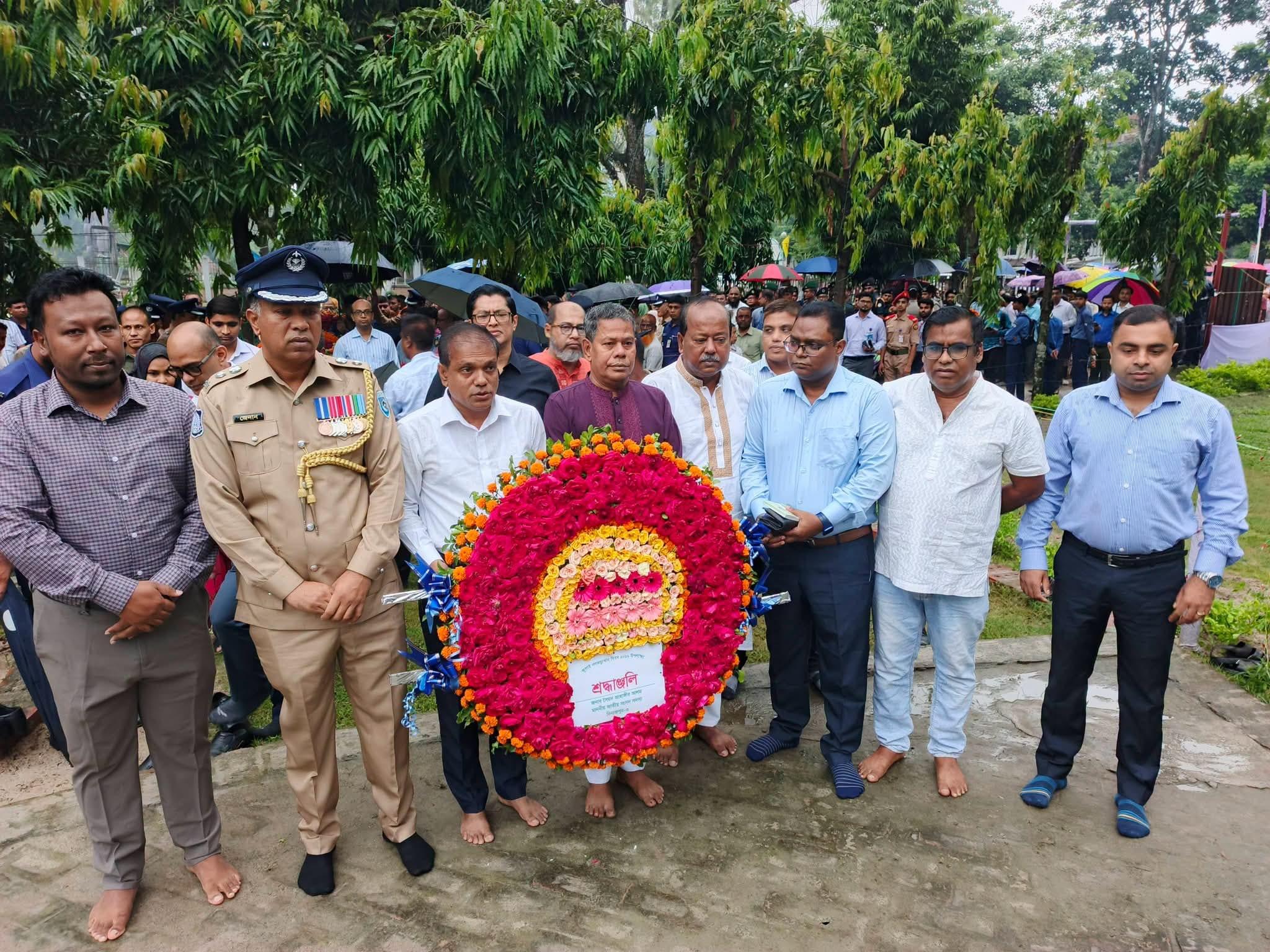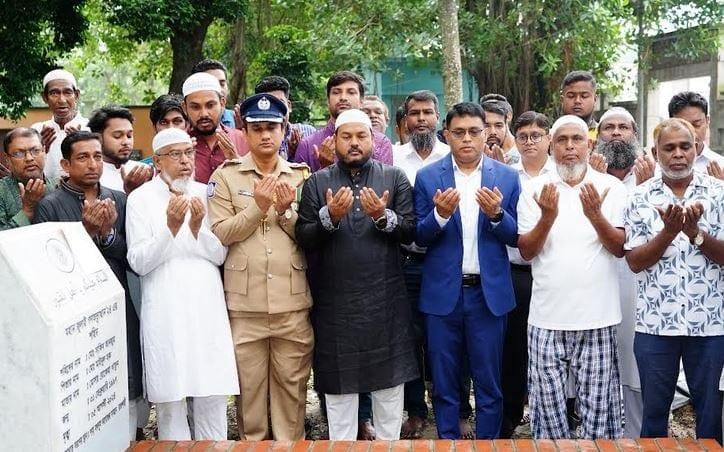
On July Mass Uprising Day, Rajshahi City Corporation (RCC) Administrator Mahfuzur Rahman Riton visited the grave of July Mass Uprising martyr Sakib Anjum to pay his respects. The solemn event took place at Tikapara Graveyard in Rajshahi City, where Riton, accompanied by local officials and dignitaries, offered prayers and participated in a dua and munajat for the eternal peace of the martyr.
Tribute Ceremony Details
Riton, who is also the general secretary of Rajshahi Metropolitan BNP, arrived at the graveyard around 8:00 am. He was joined by Rajshahi Deputy Commissioner Kazi Shahidul Islam, Superintendent of Police Mohammad Naimul Hasan, and Sakib Anjum's father, Md. Mainul Haque. The religious observances were led by Maulana Nazmul Islam, the Khatib of Rajshahi Collectorate Mosque.
Community and Official Presence
The event was attended by several local leaders and officials, including Additional Deputy Commissioner (General) Sabur Ali, Rajshahi City Corporation Secretary Sohel Rana, Boalia Thana (East) BNP President Ashraful Islam Nipu, and General Secretary Alauddin. Their presence underscored the importance of honoring the sacrifices made during the July Mass Uprising.
Historical Context of the July Mass Uprising
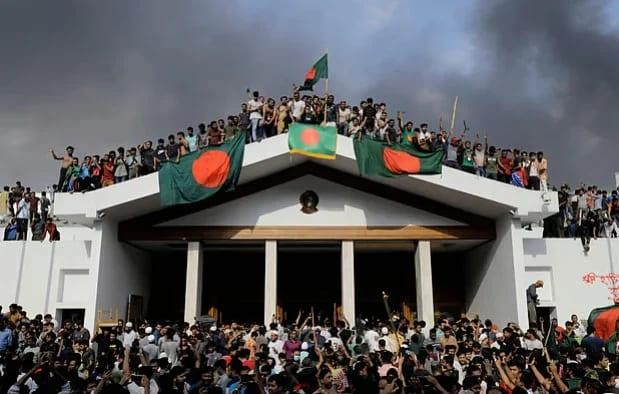
The July Mass Uprising was a pivotal event in Bangladesh's struggle for independence from Pakistan in 1971. It was a significant moment that led to increased resistance and ultimately contributed to the nation's liberation. Commemorating such martyrs is essential to remember the sacrifices made for the country's freedom.
Why This Matters for Bangladesh
Honoring martyrs like Sakib Anjum is crucial in maintaining the memory of the sacrifices that led to Bangladesh's independence. These commemorations serve to remind the younger generation of the struggles faced by their predecessors and the importance of preserving the nation's history and values.