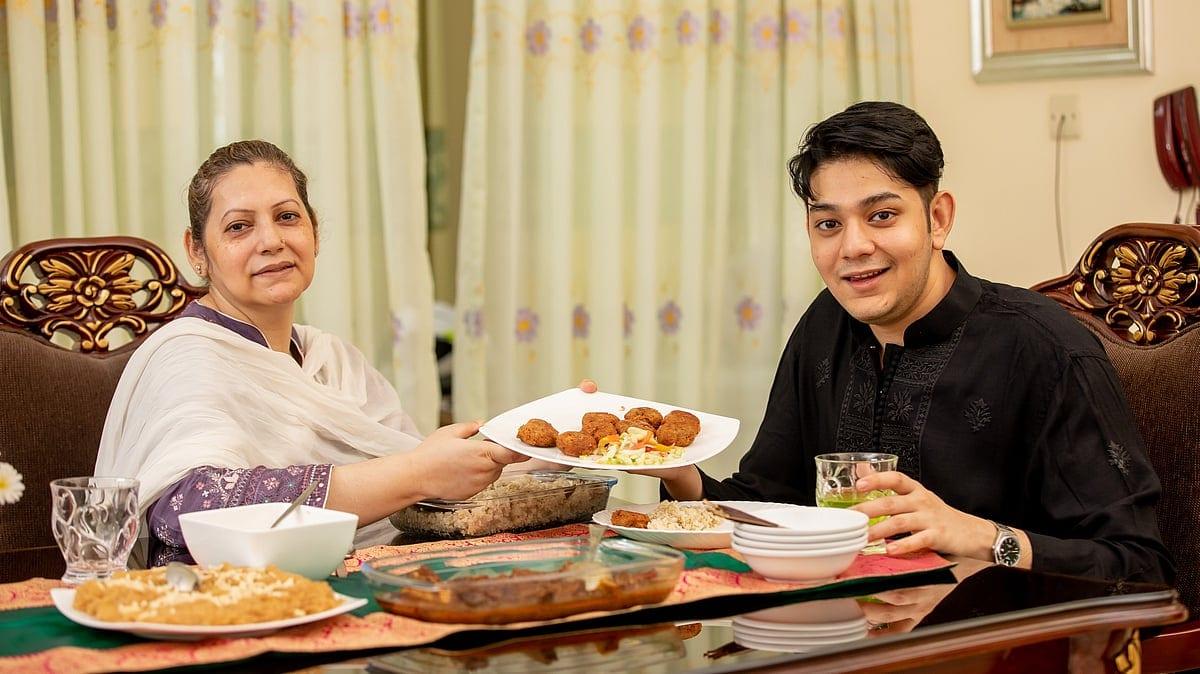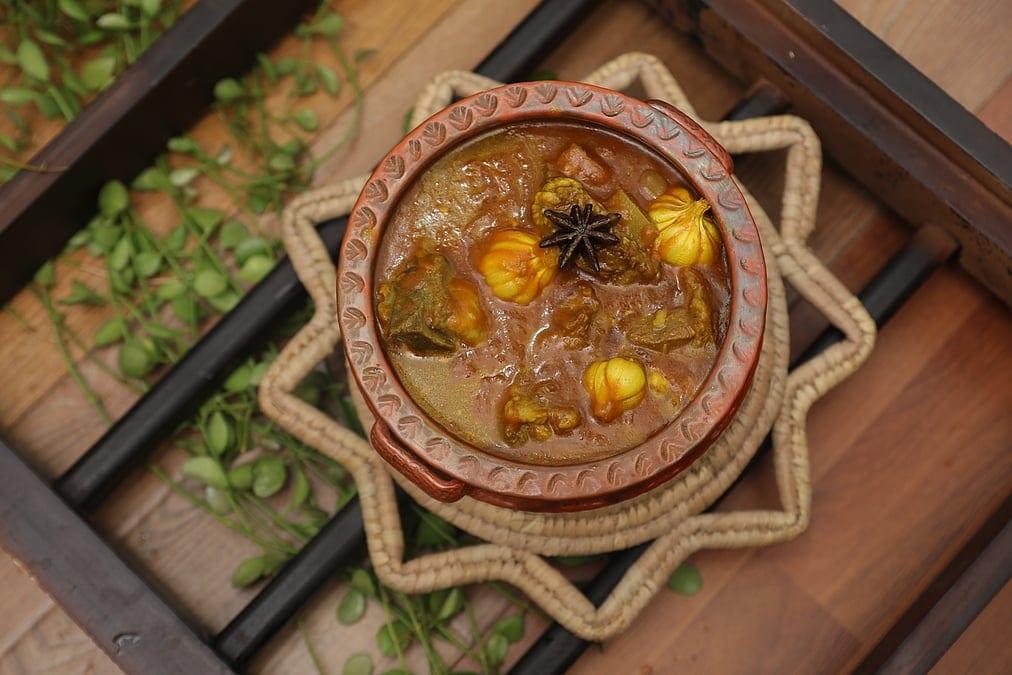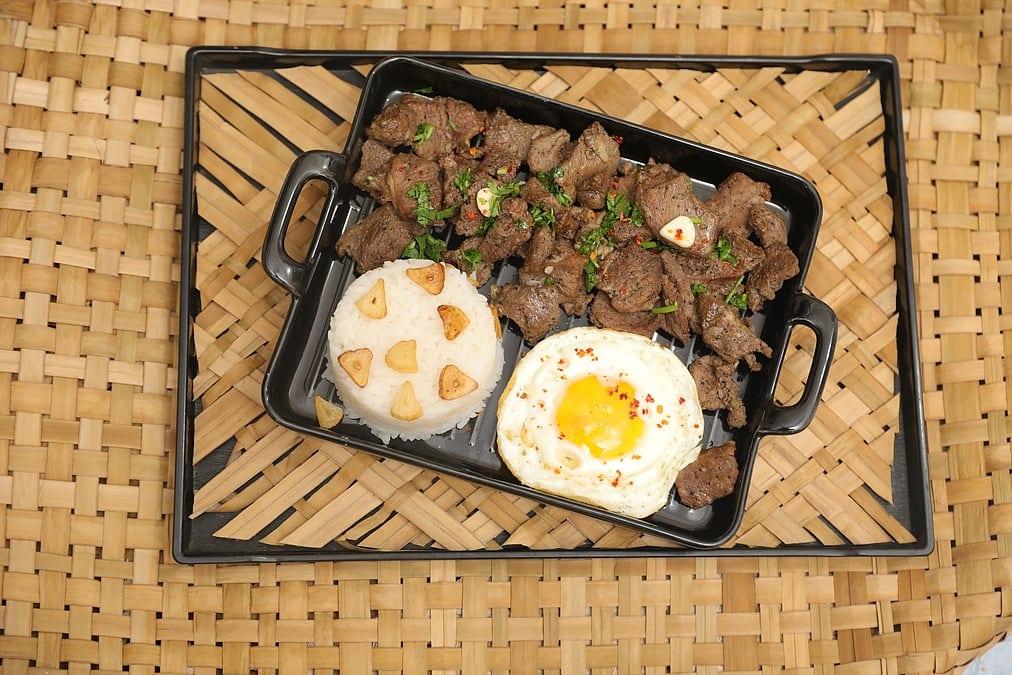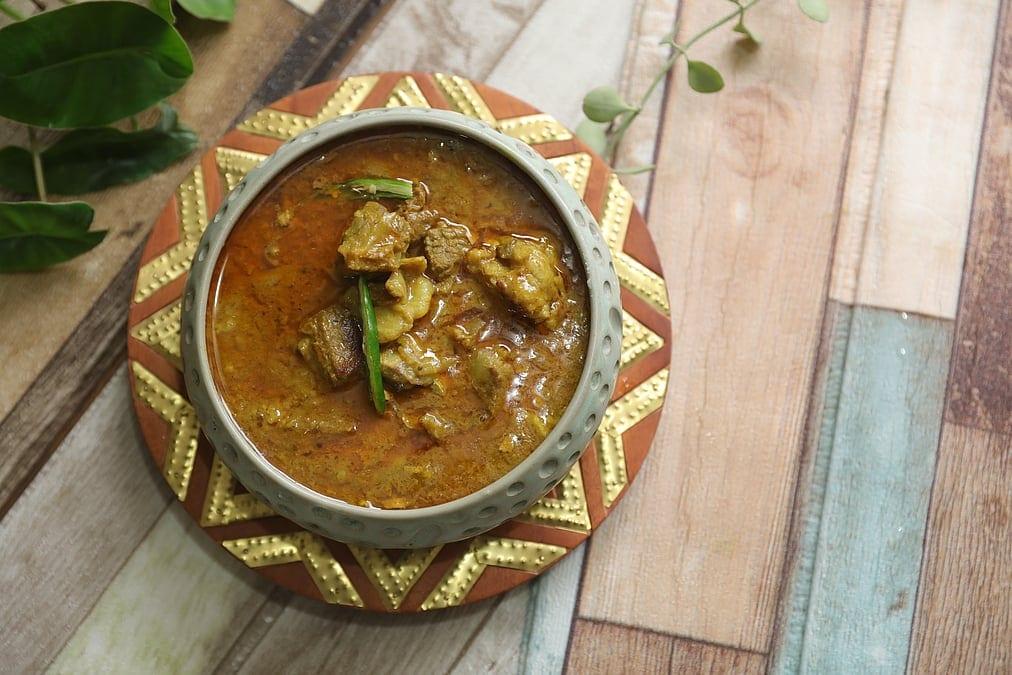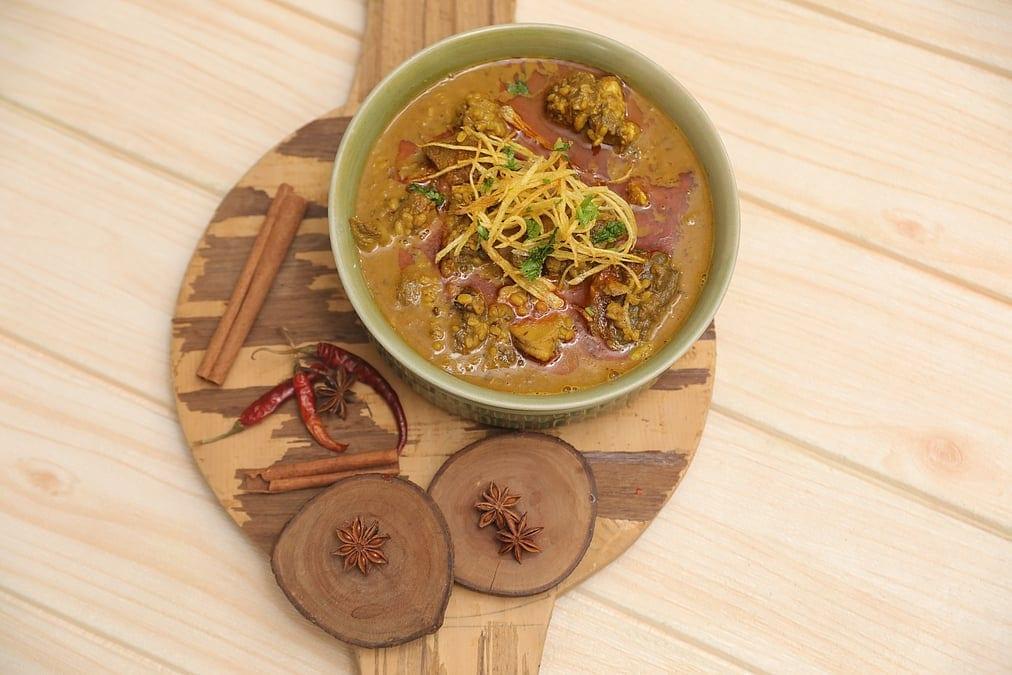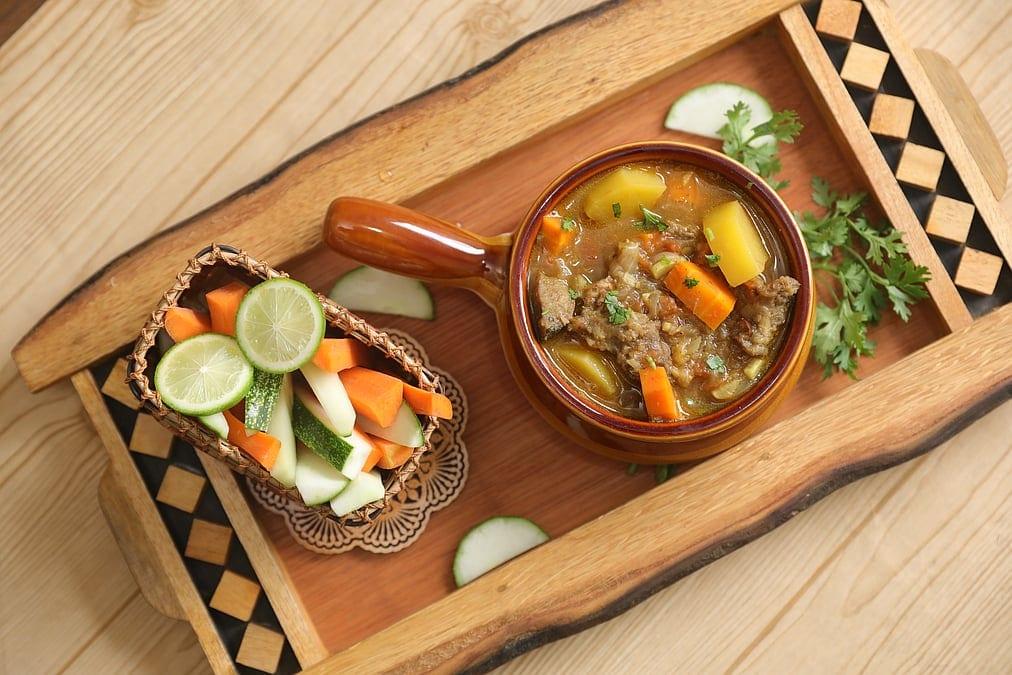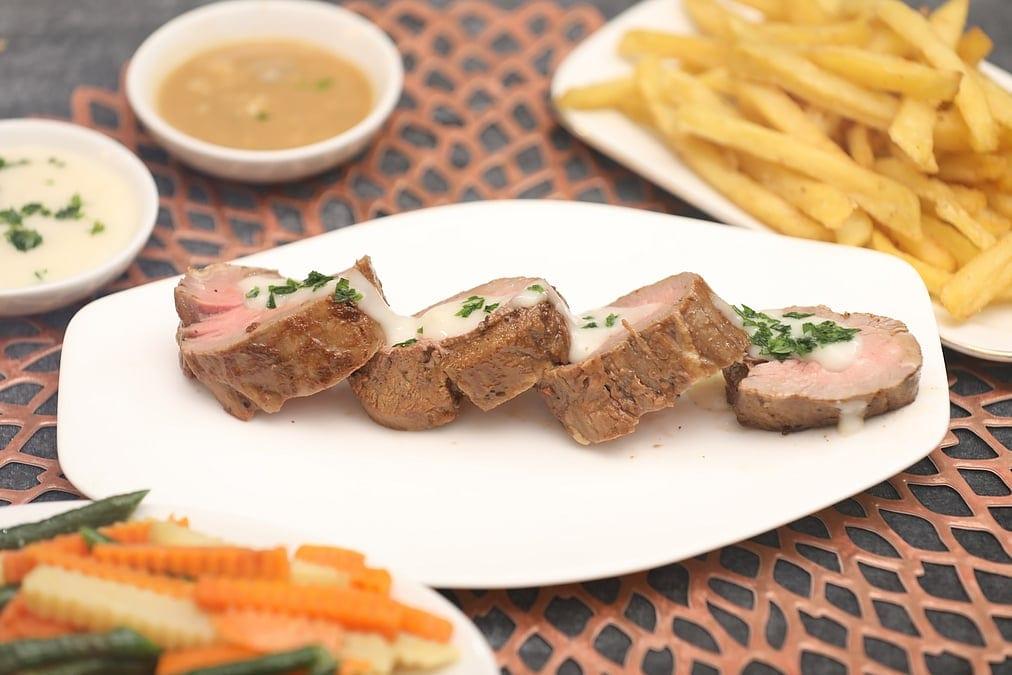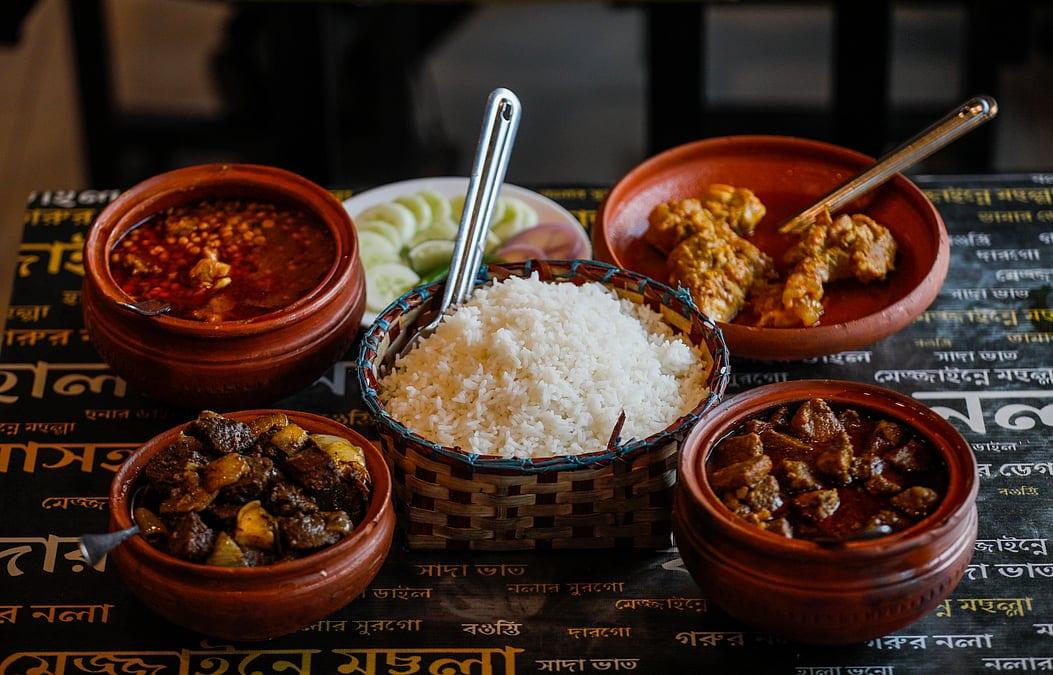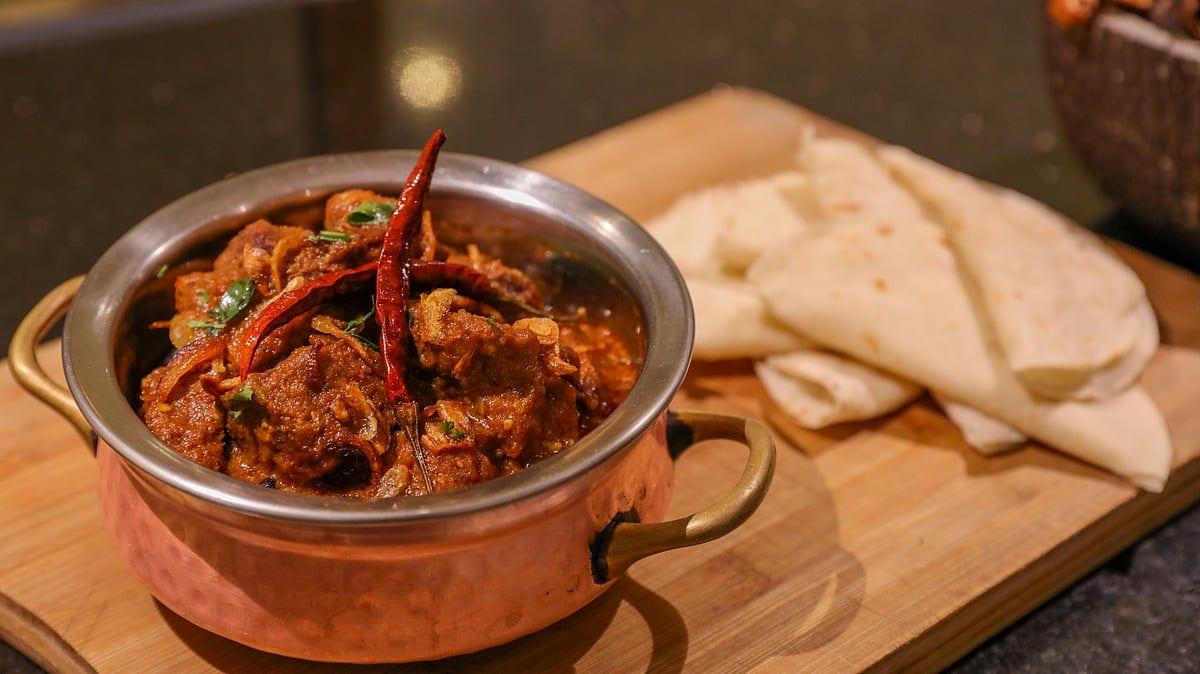
Red meat is a significant part of our Eid feast, yet many worry about its health impacts. While red meat does contain higher levels of saturated fats, which can increase bad cholesterol and heart disease risk, it is also a rich source of essential nutrients like protein, iron, zinc, and vitamin B12. Consuming red meat in moderation can provide these vital nutrients without significant health risks. It is crucial to consider individual health conditions, age, and dietary needs when determining the appropriate amount of red meat to consume. For children and pregnant women, red meat can be particularly beneficial due to its high iron content, which helps prevent anemia and supports healthy development. However, individuals with conditions like diabetes, high blood pressure, or kidney disease should be more cautious and consult a healthcare professional for personalized advice. To enjoy red meat healthily, opt for leaner cuts, limit portion sizes, and balance it with plenty of vegetables and whole grains.
Tips for Healthy Red Meat Consumption on Eid
1. Limit red meat intake to once a week. 2. Choose younger animals for lower fat content. 3. Cook with minimal oil, preferably sunflower or canola oil. 4. Trim excess fat before cooking. 5. Avoid consuming meat gravy. 6. Pair red meat with vitamin C-rich foods like lemon. 7. Add potassium-rich vegetables such as tomatoes and plums to your meal. 8. Cut meat into small pieces before cooking. 9. Avoid overindulging, even if it’s been a while since your last red meat meal. 10. Include vegetables and salads to prevent constipation.