The Pulse Today
BREAKING
MP Azharul Islam Mannan Distributes Relief Funds to Needy Families in SonargaonParliament Proposes Anti-Gambling Bill with Maximum 7-Year Prison PenaltyOpenAI Unveils 'Schedule' Feature to Boost Task Management in AI ChatbotPrime Minister Tareq Rahman Arrives in Dalian, China for Economic ForumEurope Confronts Intense Heatwave; Conditions Predicted to DeteriorateGold Prices Rise Again in Bangladesh Amid Global Market IncreaseSpaceX's Nasdaq Debut Values Company at Over $2 Trillion, Surpassing AmazonStudy Reveals AI Data Centers Contribute to Local Temperature IncreasesNarayanganj BNP Youth Wing Holds Rally to Welcome New Central CommitteeMP Mannan Announces Special Plan to Promote Sonargaon Globally'Master Key' Vaccine Technique May Prevent Future Pandemics, Researchers SayBrent Crude Oil Prices Fall Below Pre-Middle East War Levels on Peace Talks OptimismMoriyasu Pledges Japan's Commitment to Victory Against Sweden in Crucial MatchAl-Hamadi: Iraqi Striker's Rise from Liverpool Streets to World Cup StardomTrump Announces US Aid for Venezuela Following Devastating EarthquakesFinal Australian Woman Linked to IS Returns Home Under Government SupervisionTrump Kicks Off US 250th Anniversary Celebrations with Rally-Style SpeechDrone Strike Debris Ignites Fire at Russian Oil Depot in Krasnodar KraiSeoul Stocks Lead Asia Tech Rally with Kospi Up Over 5% on Micron's Strong ForecastSouth Africa's Historic Entry into World Cup Knockout Rounds After 1-0 Win Over South KoreaMinor Damage Reported After 7.2-Magnitude Earthquake Strikes Off JapanMcGinn Concedes Scotland's World Cup Aspirations Dim After Brazil DefeatCoach Dick Advocaat Asserts Curacao's Rightful Place on World Cup StageNagelsmann Criticizes World Cup Format for Limited Preparation TimeMorocco Advances in World Cup with Exciting 4-2 Victory Over Haiti

'Master Key' Vaccine Technique May Prevent Future Pandemics, Researchers Say

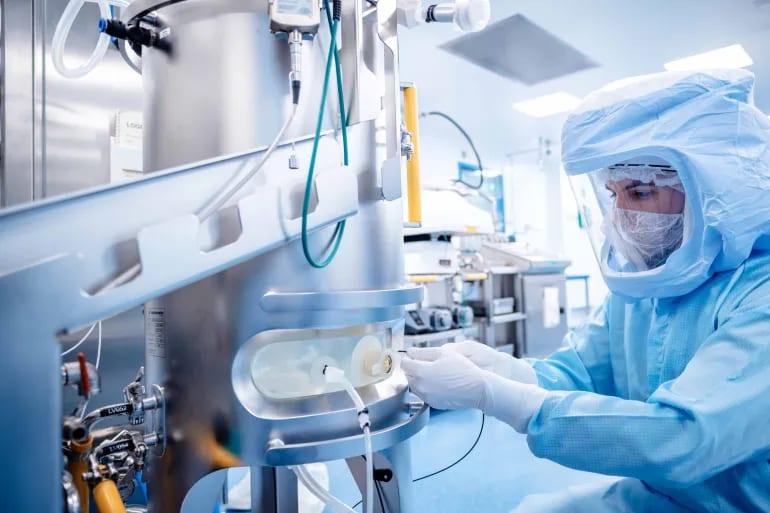
Researchers at Cambridge University have developed a new AI-aided vaccine technology that could provide immunity against whole families of viruses and potentially prevent the next pandemic.

By Staff Correspondent
Share
'Master key' vaccine technique may 'prevent next pandemic': researchers | International
BSS

Researchers at Cambridge University have developed a new AI-aided vaccine technology that could provide immunity against whole families of viruses and potentially prevent the next pandemic. The technology, likened to a 'master key' by Professor Jonathan Heeney, aims to offer broad-spectrum protection by targeting commonalities across different virus strains. This approach could eliminate the need for constantly updating vaccines to match new strains.

Overcoming Vaccine Limitations

Traditional vaccines are often 'historic,' meaning they are designed to target specific strains of a virus. This can be problematic as viruses mutate rapidly, leading to a constant chase to develop new vaccines. Professor Heeney highlighted this issue, stating that the new technology aims to create a vaccine that is universally recognizable by the immune system, covering a wide range of potential threats.

Inspiration from Past Outbreaks

The development of this technology was inspired by the 2013-16 Ebola outbreak in West Africa, where Heeney was based. The outbreak, which claimed around 11,300 lives, underscored the need for a more proactive approach to vaccine development. Heeney noted the delays in identifying the virus and developing a vaccine, which allowed the outbreak to spread rapidly across multiple countries.

Harnessing AI for Vaccine Development

By harnessing early AI technology, Heeney's team was able to analyze vast amounts of data on various viruses, identifying both similarities and differences in the parts of the virus that the immune system responds to. This allowed them to create a vaccine that could recognize and respond to multiple variants of a virus. The technology is particularly important given the increasing frequency of virus emergence due to factors like population growth and human encroachment on animal habitats.

Promising Trial Results

A trial involving 39 volunteers, sponsored by the University Hospital Southampton and published in the Journal of Infection, found 'no significant safety concerns' with the universal Sarbeco coronavirus vaccine made using the AI-aided technology. The vaccine, developed in collaboration with biotech firm DIOSynVax, will now move to larger-scale tests. Heeney expressed hope that this technology could herald a new era of vaccine manufacturing, potentially preventing future pandemics.

Future Prospects and Concerns

Heeney's primary concern remains a potential influenza outbreak, describing it as one of the 'trickier' viruses. However, he is optimistic that the new technology could help mitigate the threat of future pandemics. With ongoing advancements in AI, the team aims to build an even more powerful platform for rapid vaccine development, further enhancing global preparedness for emerging viral threats.


Source: BSS

FAQ

What is the 'master key' vaccine technique?
The'master key' vaccine technique is a new AI-aided technology developed by Cambridge University researchers that aims to provide immunity against whole families of viruses by targeting commonalities across different virus strains.
Who developed the new vaccine technology?
The new vaccine technology was developed by Professor Jonathan Heeney and his team at Cambridge University, in collaboration with biotech firm DIOSynVax.
What inspired the development of this technology?
The development was inspired by the 2013-16 Ebola outbreak in West Africa, which highlighted the need for a more proactive and rapid approach to vaccine development.
What were the results of the initial trial?
The initial trial involving 39 volunteers found 'no significant safety concerns' with the universal Sarbeco coronavirus vaccine made using the AI-aided technology.

Topics

Comments

More in Health

See all →
দিনরাত এসিতে থাকার কোনো স্বাস্থ্যঝুঁকি আছে কি
Health

Health Risks of Staying in AC All Day: Learn How to Stay Safe

Latest stories