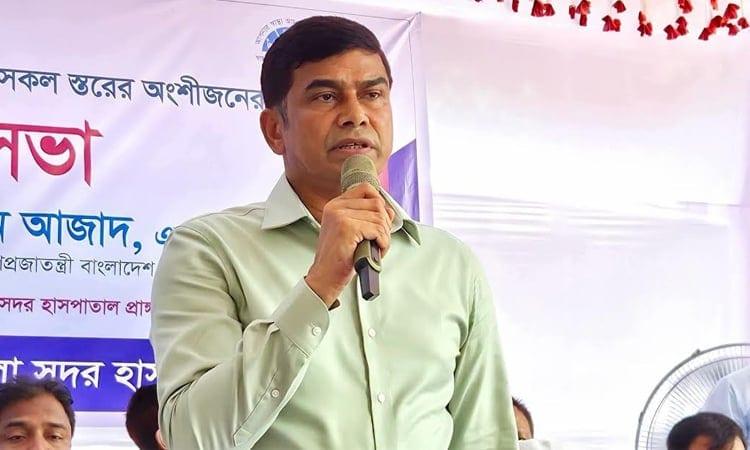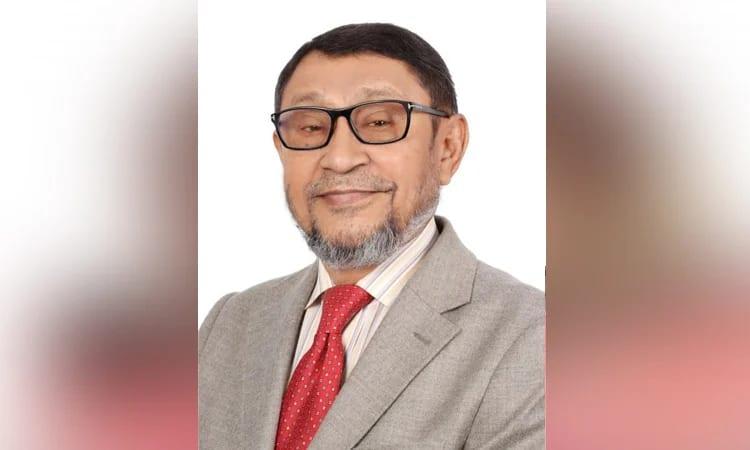
Social Welfare and Women and Children Affairs Minister Prof. Dr AZM Zahid Hossain announced that the health sector has been allocated the second-highest priority in the national budget. This decision aligns with the BNP's election pledges to improve healthcare services across Bangladesh.
Diversified Healthcare System Needed
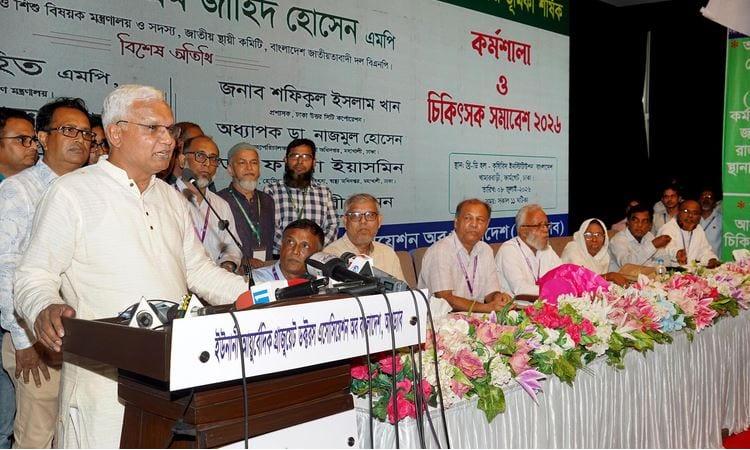
Speaking at a workshop and physicians' gathering titled "The Role of Unani, Ayurvedic, and Homeopathic Medicine in Building a Healthy Bangladesh," Dr Zahid stressed the necessity of a diverse healthcare system to cater to Bangladesh's large population. He noted that no single form of treatment can meet everyone's needs.
Historical Context and Initiatives
Dr Zahid highlighted that Shaheed President Ziaur Rahman recognized the importance of a diversified healthcare system after independence. He took initiatives to modernize and strengthen the scientific foundation of Unani, Ayurvedic, and Homeopathic medical education to expand healthcare services.
Traditional Medicine's Role
With a population of around 180 million, a significant portion of Bangladeshis continue to rely on traditional systems like Unani, Ayurvedic, and Homeopathic medicine. Dr Zahid emphasized the importance of these traditional practices as part of the country's heritage and culture.
Workshop and Key Attendees
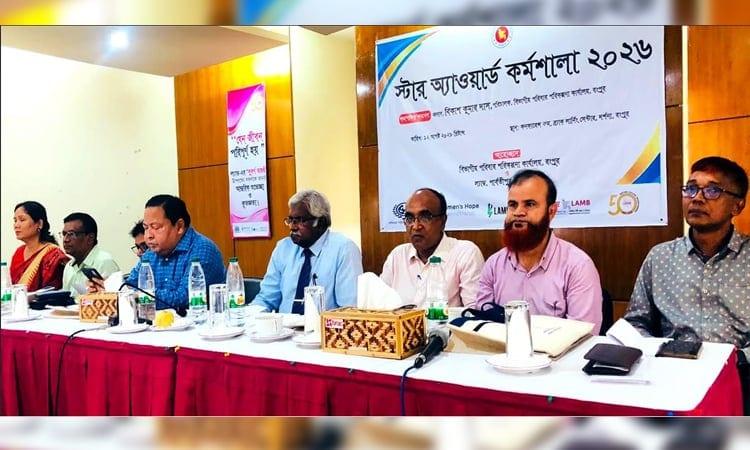
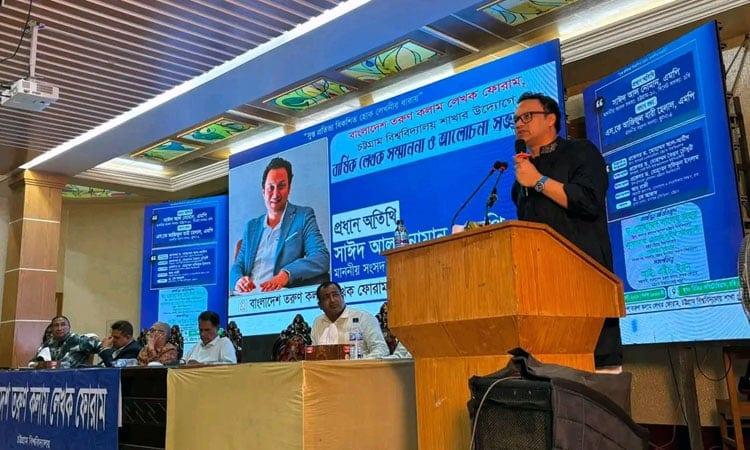
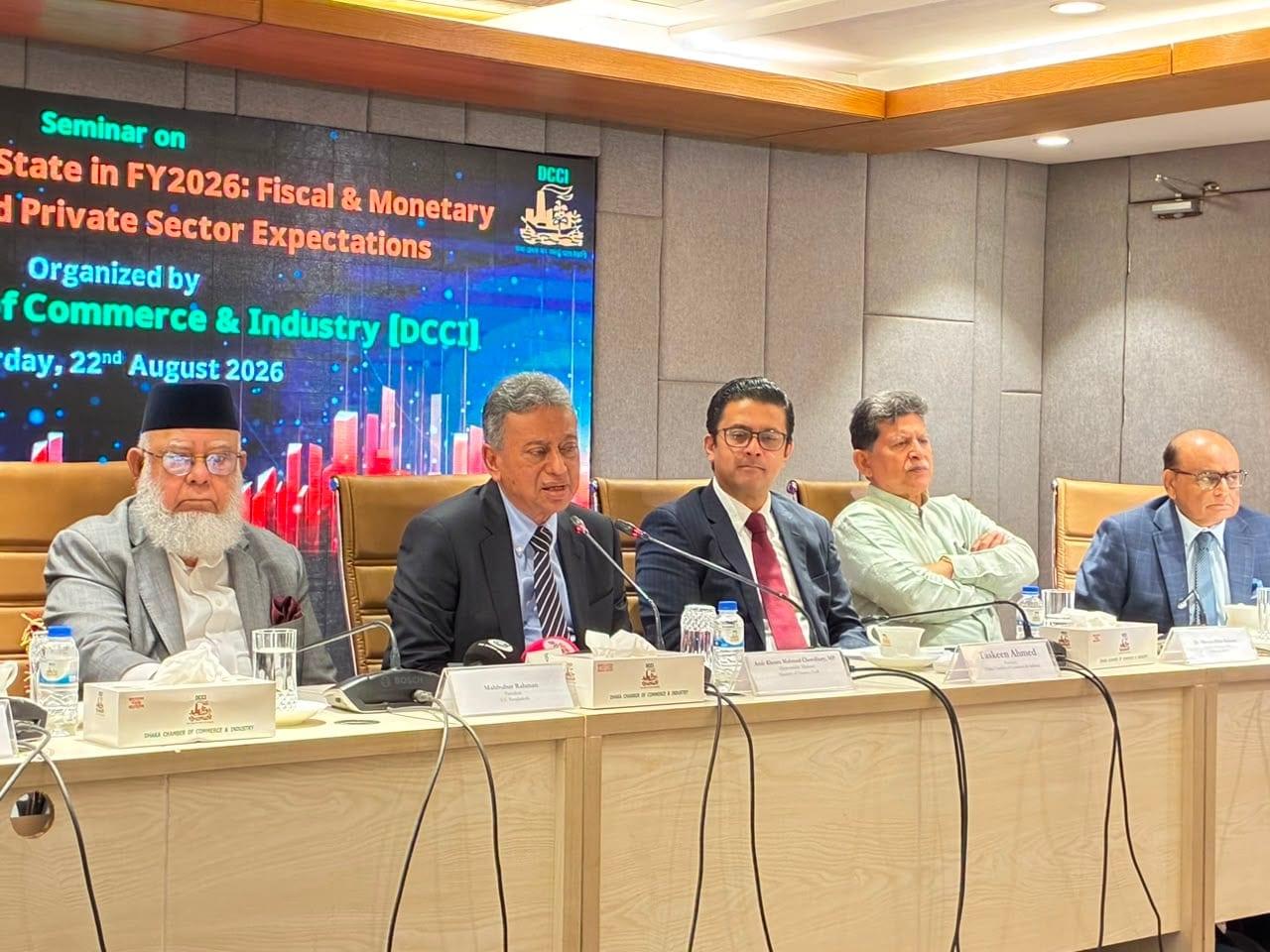
The workshop was organized by the Unani Ayurvedic Graduate Doctors' Association of Bangladesh (UAGDAB) at the KIB Auditorium in Dhaka. Notable attendees included Dhaka North City Corporation Administrator Shafiqul Islam Khan, Directorate General of Health Services Director of Homeopathy and Indigenous Medicine Dr Farida Yasmin, and Bangladesh Nationalist Cultural Alliance General Secretary Rafiqul Islam.
Public Confidence in Traditional Medicine
Dr Zahid called for strengthening public confidence in Unani, Ayurvedic, and Homeopathic healthcare alongside allopathic medicine. He believes that integrating these systems will lead to a more comprehensive healthcare approach in Bangladesh.