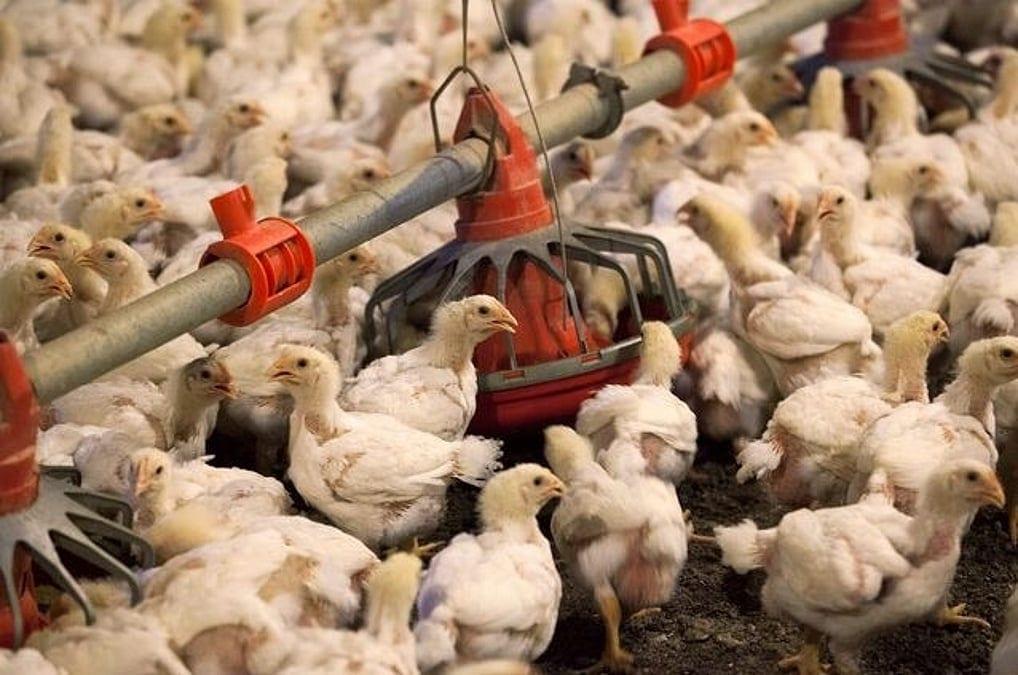
Current generation consumes nearly six times more chicken meat compared to 65 years ago, according to a UN report. The global meat supply has quadrupled in the last 60 years, and this trend is expected to continue. The UN Food and Agriculture Organization (FAO) reports that per capita chicken meat supply has increased from under 3 kg in 1961 to 17 kg in 2022. In contrast, beef supply per capita has remained unchanged at 9 kg.
The report highlights that global per capita meat supply has risen from 25 kg in 1961 to 47 kg in 2022. Additionally, about 14% of meat and milk is wasted after reaching supermarket shelves and restaurants. While high-income countries see recommendations from doctors and climate scientists to reduce meat consumption, lower and middle-income countries face higher prices for animal-based foods relative to their incomes.
Daniela Battaglia, FAO livestock development officer and co-author of the report, notes significant disparities in regional distribution and access. High-income countries continue to have high and stable meat consumption, while lower-income countries lag due to affordability issues. The Intergovernmental Panel on Climate Change (IPCC) identifies shifting from meat-based to plant-rich diets as a key strategy for reducing greenhouse gas emissions. The FAO report mentions overconsumption of animal products in wealthy nations but does not directly recommend reducing meat intake.
Cleo Verkuijl, senior scientist at the Stockholm Environment Institute, comments that the report clearly outlines the issue but hesitates to draw definitive conclusions. Previous FAO reports have faced criticism for omitting meat reduction from climate roadmaps and understating the climate benefits of reducing meat consumption. The latest report evaluates the contribution of livestock to food security, sustainable food systems, nutrition, and healthy diets. FAO plans to release another report later this year focusing more on sustainable environments.