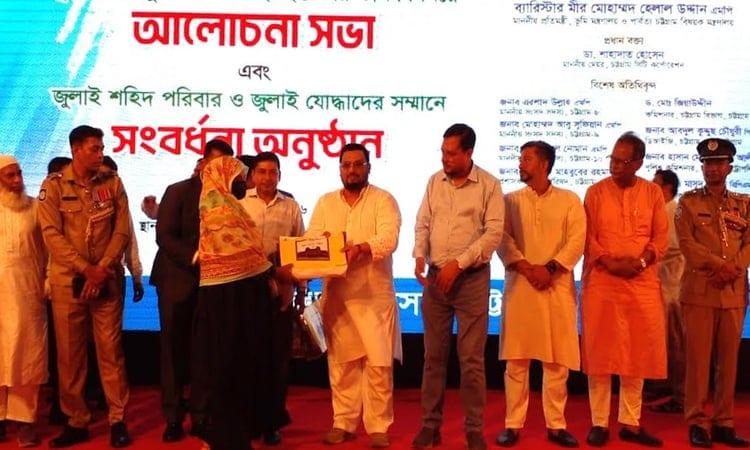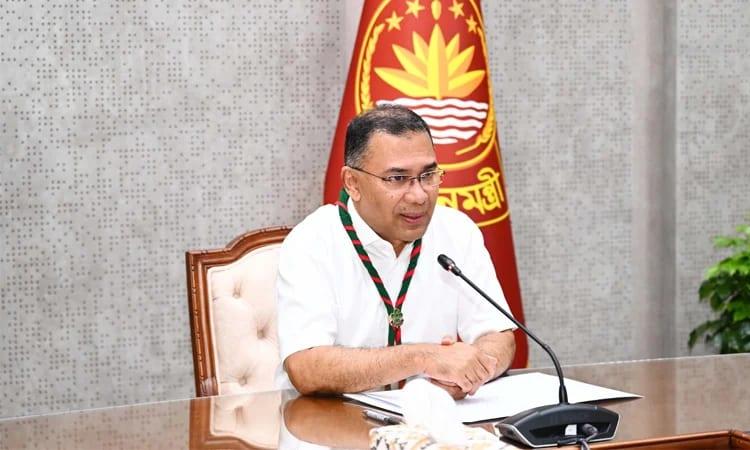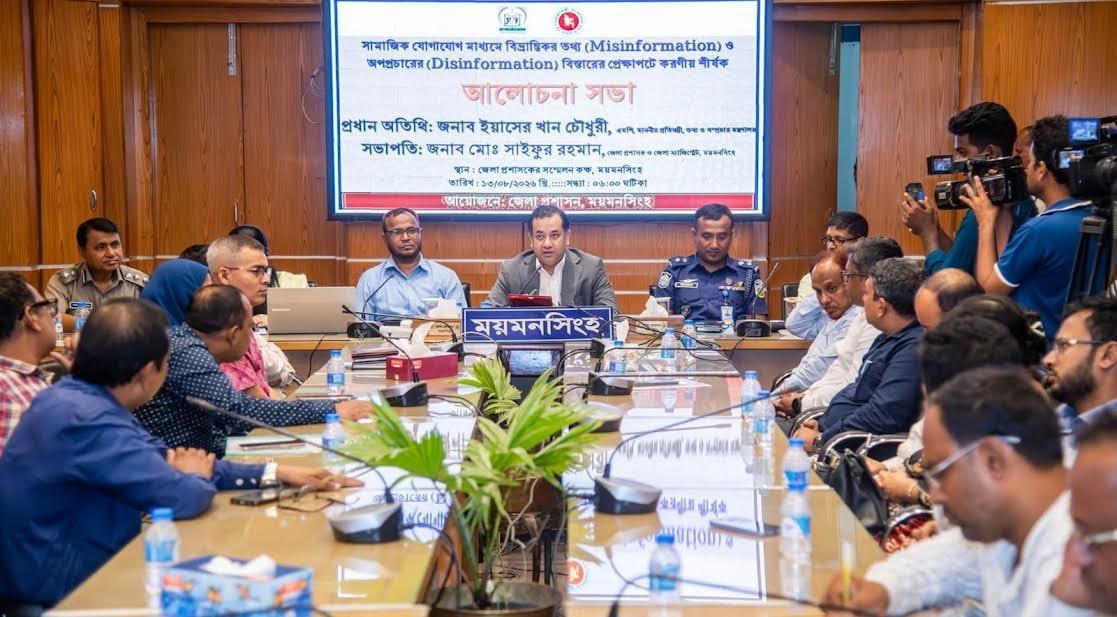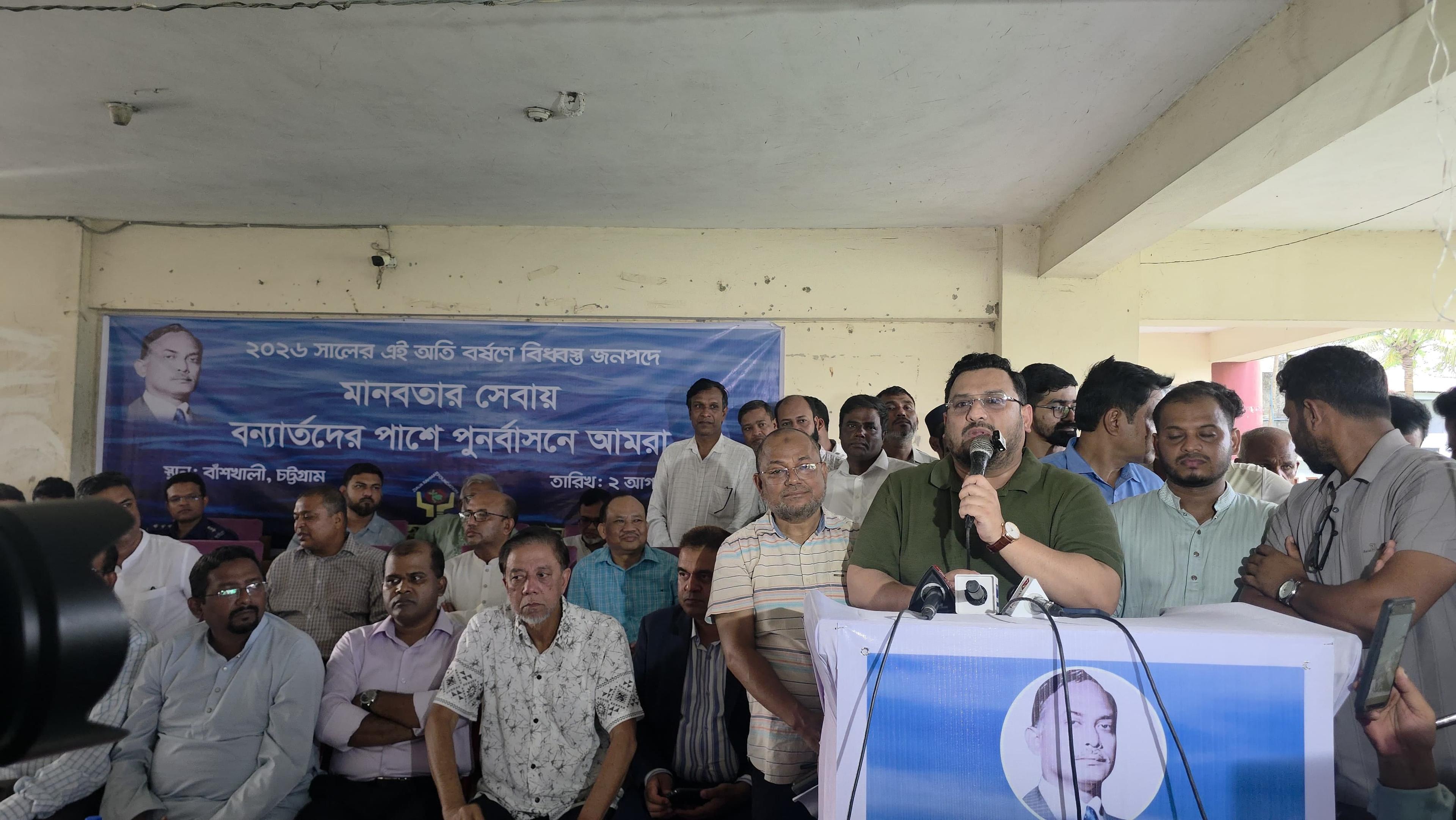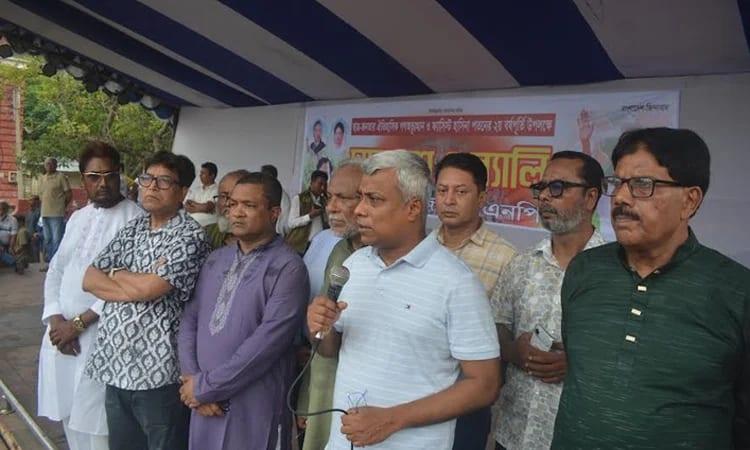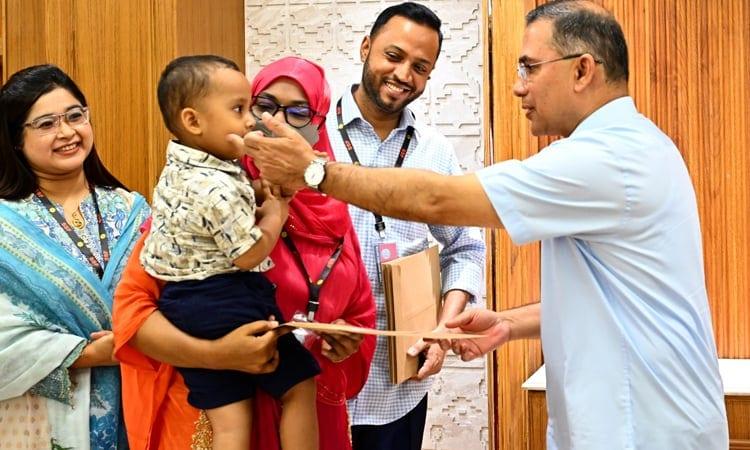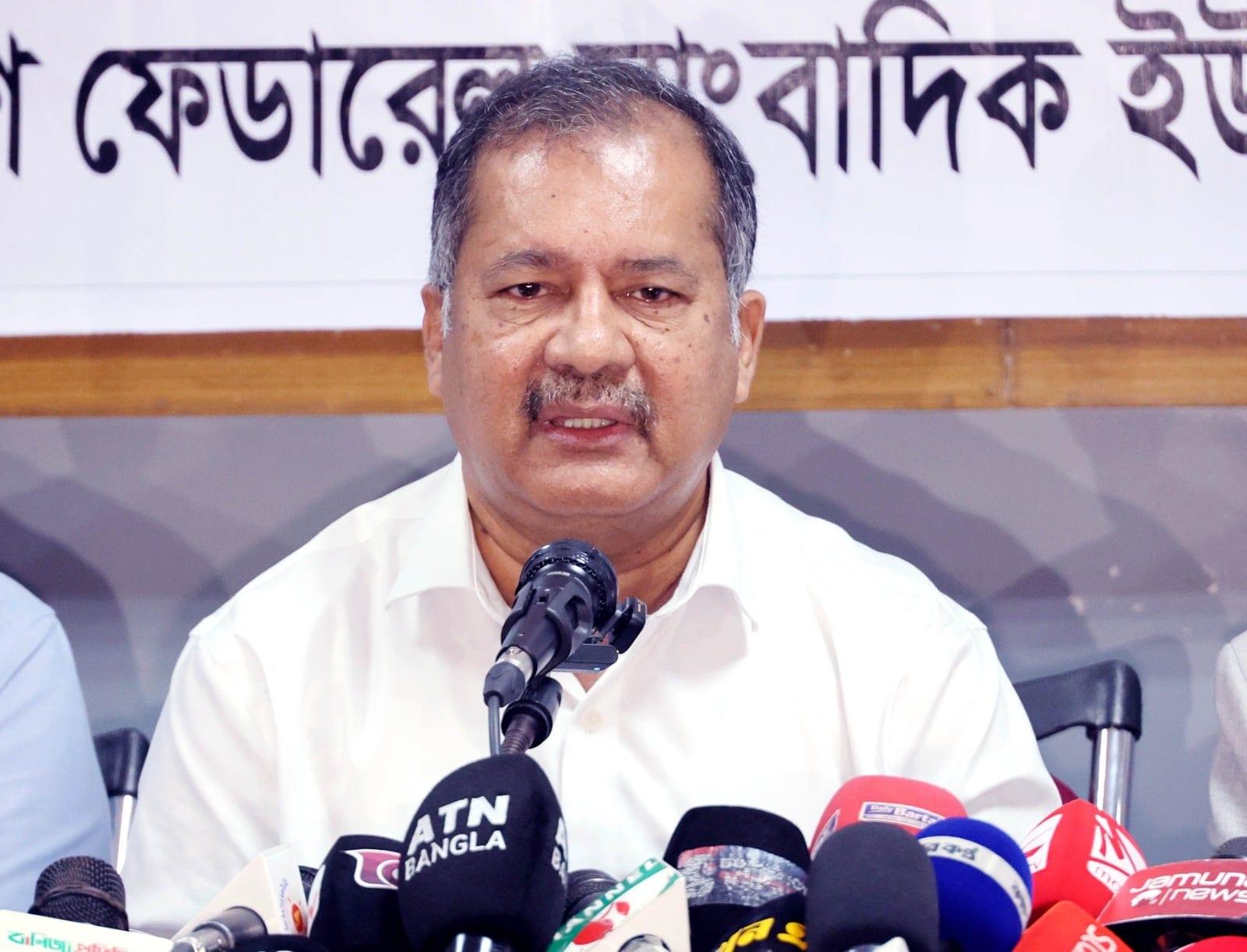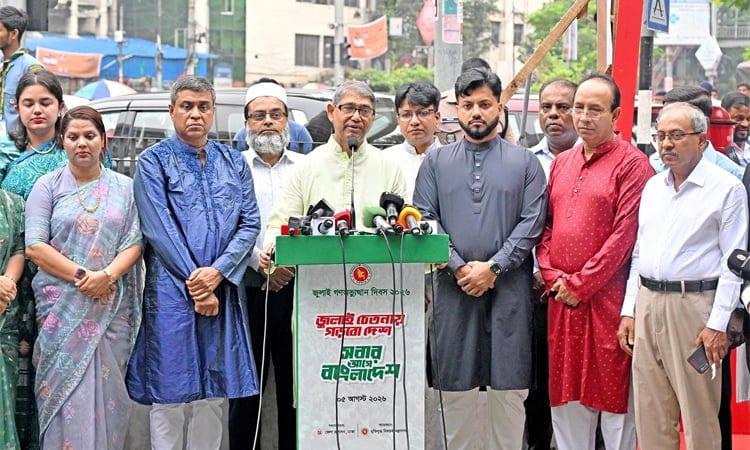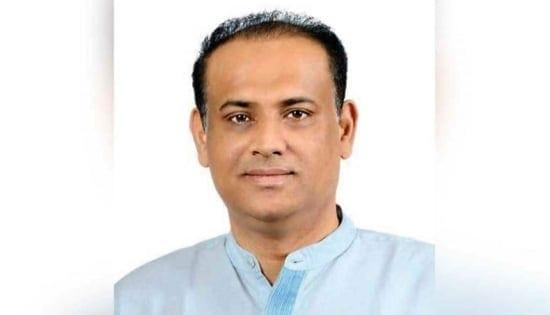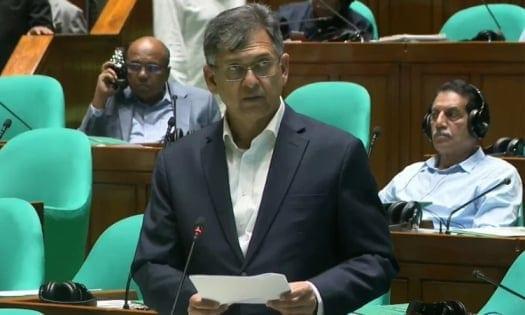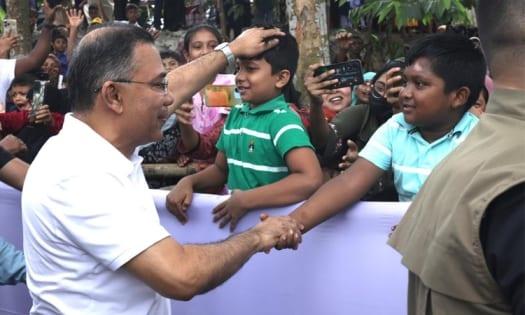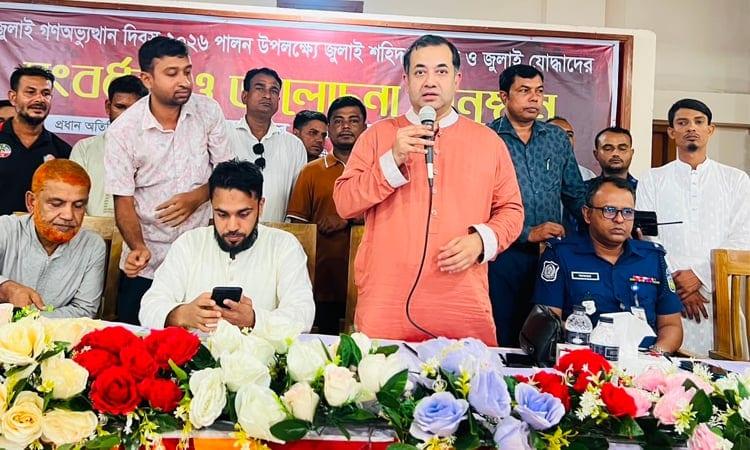
State Minister for Information and Broadcasting Yasser Khan Choudhury today emphasized the significance of the martyrs' sacrifices in creating an environment for free, fair, and impartial elections in Bangladesh. Speaking at a reception and discussion in Nandail Upazila, he acknowledged the relentless struggle of the BNP and its affiliates under the leadership of Prime Minister Tarique Rahman against fascism. The state minister announced several measures for the rehabilitation of the families of those martyred in the July movement, including the construction of semi-pucca houses and the installation of tube wells. He also pledged to provide 'Family Cards' and 'Farmer Cards' to the martyrs' families. Development projects in Nandail, such as roads, bridges, schools, and madrasas, are being prioritized. The event was attended by various leaders, family members of martyrs, and local officials. Before the reception, the state minister paid tribute to the martyrs by planting trees and signing a graffiti installation. He inaugurated a photo exhibition and a book fair dedicated to the July movement.
FAQs
Q: What did State Minister Yasser Khan Choudhury say about the martyrs' sacrifices? A: He said the nation will always remember with respect those whose sacrifices and bloodshed created an environment for free, fair, and impartial elections, enabling the BNP to assume the responsibility of running the state. Q: What measures did the state minister announce for the martyrs' families? A: He announced the construction of semi-pucca houses, installation of tube wells, and provision of 'Family Cards' and 'Farmer Cards' for the martyrs' families. Q: What development projects are being prioritized in Nandail? A: Development work on roads, bridges, culverts, schools, and madrasas in every ward, union, and municipality of Nandail is being monitored regularly and will be implemented on a priority basis. Q: Who attended the reception and discussion in Nandail? A: The event was attended by various leaders, family members of martyrs, local journalists, civil administration officials, and a large number of BNP leaders and activists, along with leaders and activists of its associate organizations.