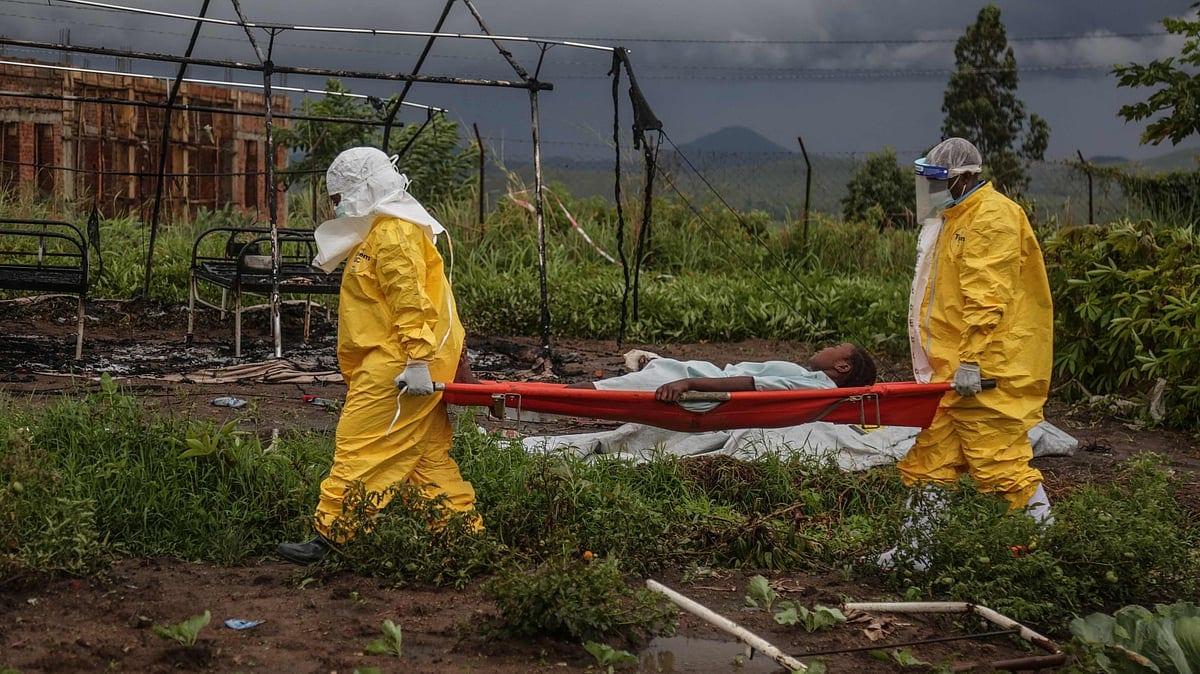
The re-emergence of the deadly Ebola virus, specifically the rare Bundibugyo strain, has prompted the World Health Organization to declare a global health emergency. This strain, identified in the Democratic Republic of Congo and Uganda, lacks an approved vaccine or specific therapeutics, making rapid identification and prevention crucial.
Ebola, a zoonotic disease primarily transmitted by fruit bats, spreads to humans through contact with infected animals or bodily fluids of infected individuals. Symptoms include severe fever, body aches, and vomiting, progressing to internal and external bleeding and potential organ failure.
With no specific treatment available, current care focuses on symptom management and maintaining fluid and electrolyte balance. Isolation of patients and strict infection control measures in hospitals are essential to prevent further spread.
Bangladesh's Urgent Steps
Given the global nature of this threat, Bangladesh must take immediate action: enhance border surveillance with thermal screening and quarantine for travelers from Africa, upgrade laboratory capabilities for rapid Ebola detection, and prepare hospitals with isolation units while raising public awareness about the risks associated with fruit bats.