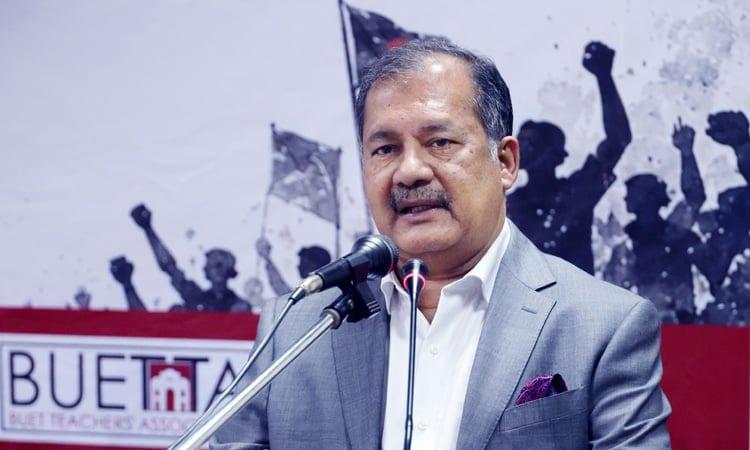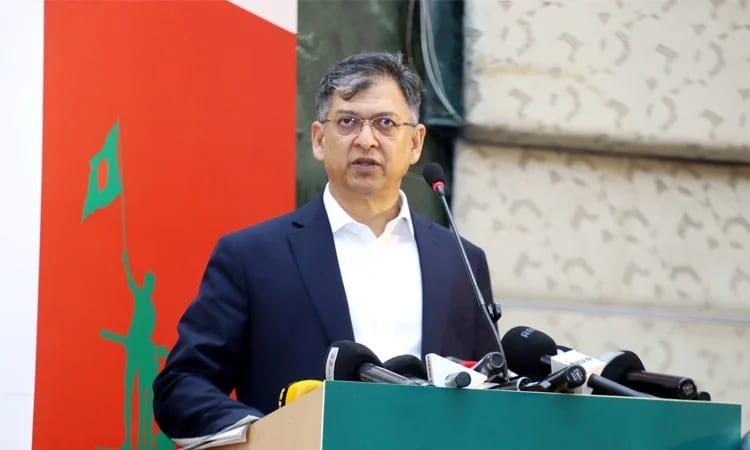
Bangladesh is taking significant steps to ensure its democratic principles are preserved for future generations. Information and Broadcasting Minister Zahir Uddin Swapon announced efforts to establish a permanent institutional framework that will prevent any force from suppressing people's rights or oppressing the nation.
Historical Context and Future Vision
Swapon made the announcement while unveiling 'Shikol Bhangar July,' a commemorative publication by the Press Information Department. This publication marks the second anniversary of the July Mass Uprising, a pivotal moment in Bangladesh's struggle for democracy. Swapon highlighted that past movements had often ended with resistance against injustice but failed to prevent the rise of new forms of fascism.
The government is committed to learning from past mistakes and ensuring that the sacrifices made during the movement translate into lasting democratic institutions. The reforms are intended to create a robust political system that will withstand future challenges.
State Minister for Information and Broadcasting Yasser Khan Choudhury emphasized the significance of the July Mass Uprising, crediting it as a key factor in the country's return to democracy. He also paid tribute to the martyrs and wished for the speedy recovery of those injured during the uprising.
Blueprint for Democratic Resilience
Swapon noted that BNP Chairman Tarique Rahman's 31-point outline has provided a roadmap for post-uprising reforms. The government is utilizing this blueprint to guide its efforts in reforming the state structure and political system. Acting Secretary of the ministry Shah Alam explained that the publication aims to preserve the history of the struggle for democracy for future generations.
Principal Information Officer Syed Abdal Ahmed added that the commemorative publication serves as a tribute to the memories of the July Mass Uprising and ensures that the lessons learned are not forgotten.