China's young generation is largely unaware of the events that took place at Tiananmen Square in 1989, primarily due to stringent state censorship. The Chinese government has effectively suppressed information about the protests and the subsequent crackdown, ensuring that the younger population remains in the dark about this significant historical event.
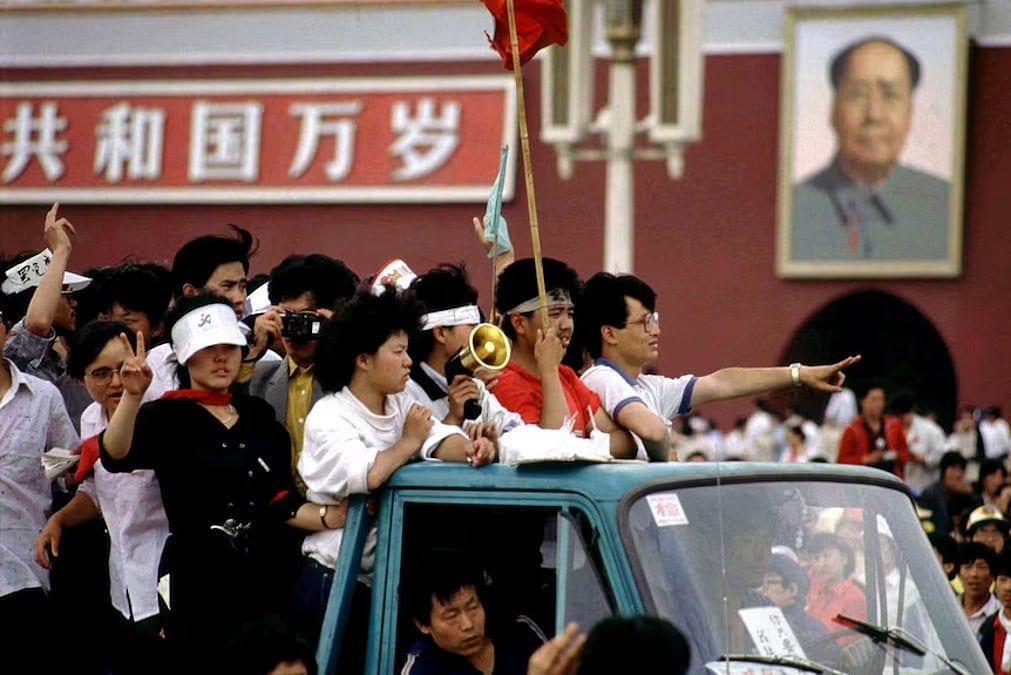
In 1989, Tiananmen Square in Beijing became the epicenter of massive protests demanding political and economic reforms. On June 4, the Chinese military launched a violent crackdown on unarmed protesters, resulting in hundreds, possibly thousands, of deaths. Despite the profound impact of these events, the Chinese government has maintained a tight grip on information, preventing the younger generation from learning about the true nature of the Tiananmen Square incident.
State censorship extends to textbooks, online search engines, and social media platforms, where any discussion of Tiananmen Square is heavily monitored and often blocked. The government's control over information is further reinforced by laws that can result in severe penalties for those who attempt to discuss or disseminate information about the event. Additionally, the use of artificial intelligence and advanced surveillance technologies has made it even more difficult for the truth to emerge.
The lack of awareness among China's youth about Tiananmen Square is a direct result of these censorship efforts. Many young Chinese are unfamiliar with the details of the event, and some are even unaware that it occurred. This deliberate obscuring of history ensures that the memory of Tiananmen Square remains a taboo subject, perpetuating a cycle of ignorance and control.