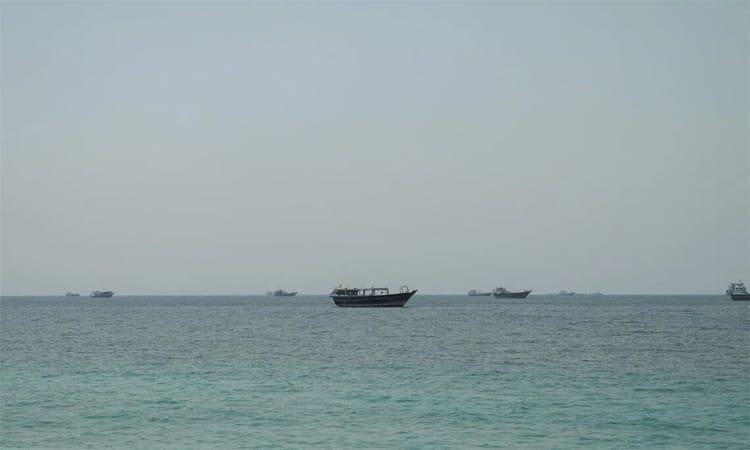
Iran's chief negotiator, Mohammad Baqer Qalibaf, has declared that the Strait of Hormuz will remain under the administrative supervision of the Islamic Republic of Iran, in accordance with international law. This announcement follows the first round of talks between the United States and Iran in Switzerland, aimed at ending the ongoing conflict in the Middle East.
Key Points of the Agreement
During the talks, both Iran and the United States agreed to establish a direct communication mechanism to ensure the Strait of Hormuz remains open for commercial shipping. Additionally, they agreed to take initiatives to halt the ongoing conflict in Lebanon. Qalibaf emphasized that the Strait of Hormuz will not return to its pre-war state and will continue to be under Iran's administrative control.
Positive Outcomes from the Negotiations
In a video message posted on his Telegram account, Qalibaf highlighted the significant and positive outcomes from the negotiations held at the luxurious Burgenstock Resort in Switzerland. He noted progress in discussions regarding the Strait of Hormuz, the Lebanon issue, the easing of sanctions on Iranian oil, and the release of frozen or seized Iranian assets.
Temporary Suspension of Sanctions
Following the talks, the United States temporarily suspended some sanctions on Iranian oil. Earlier, US Vice President JD Vance announced that Tehran had agreed to allow UN nuclear inspectors back into Iran. As part of the agreement, Tehran will receive some relief from sanctions and the release of a portion of its frozen assets abroad.
Future Efforts and Regional Visits
Qalibaf stated that while the current agreement is a start, more efforts are needed in the future. After concluding his visit to Switzerland, Qalibaf traveled to Oman, one of the coastal countries bordering the Strait of Hormuz. The Strait was closed by Iran at the start of the war but was reopened last week following an agreement between Washington and Tehran to begin talks. However, Iran announced the closure of the Strait again on Saturday in response to Israeli attacks in Lebanon. Subsequently, both countries agreed to establish a direct communication mechanism to ensure the safe passage of commercial ships and to avoid misunderstandings or accidental incidents, as mediated by Qatar and Pakistan.