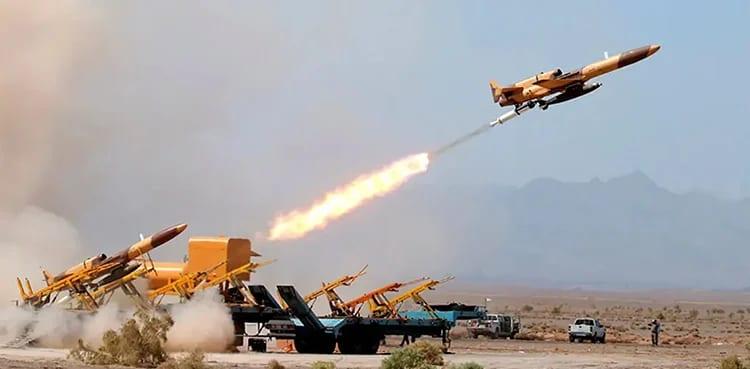
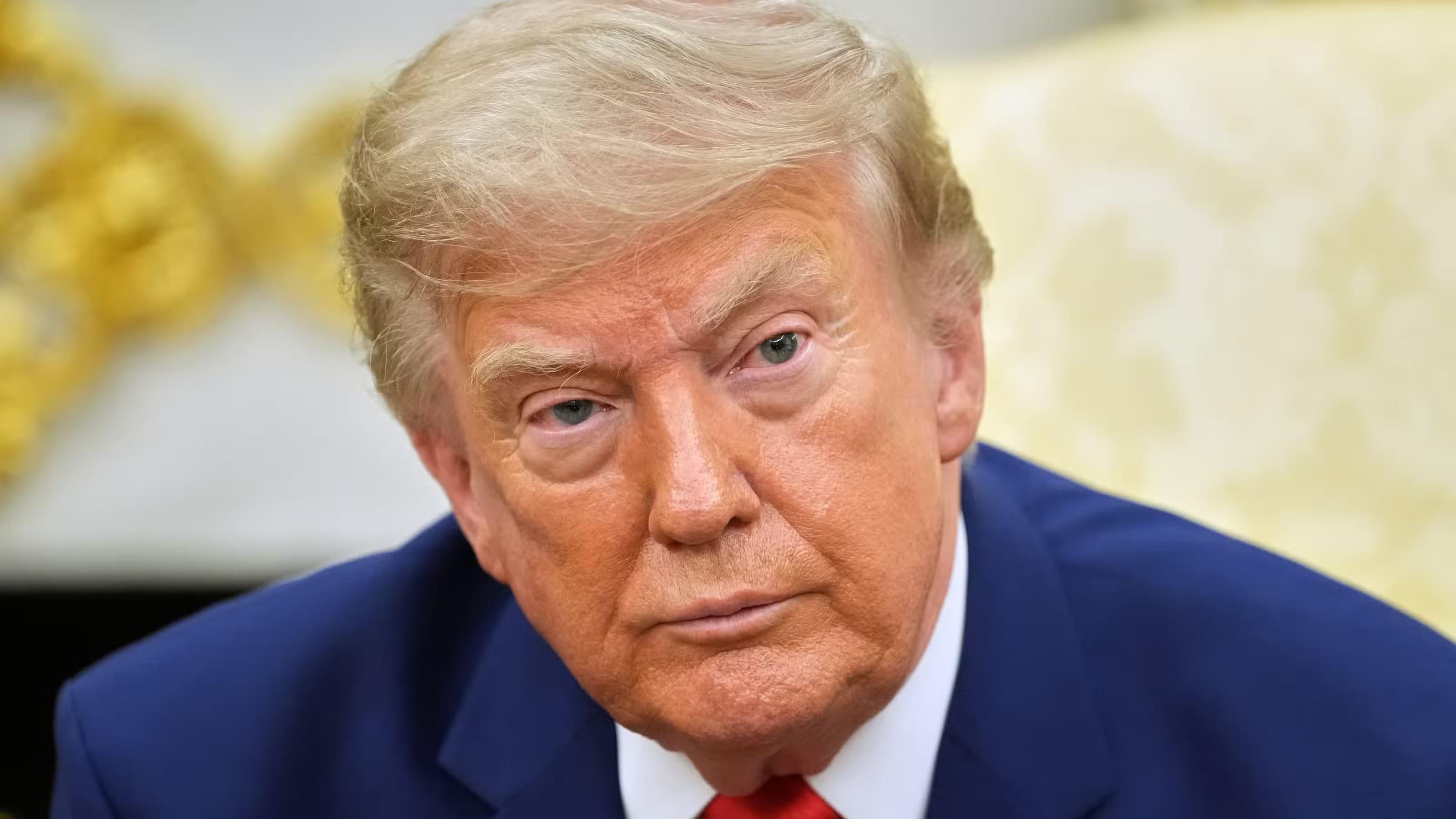
On Sunday, Iran's Mehr news agency dismissed President Donald Trump's claim that Iran had requested the United States to avoid further strikes. Citing military officials, the agency called the allegation 'nothing but a new lie' and stated that Iranian armed forces were 'on high alert and ready for any eventuality'. Trump had previously mentioned that while the US was prepared to act against Iran, Tehran and other Middle Eastern countries had urged him to hold off on fresh strikes.
Background on the Allegation
Trump's statement came on Saturday when he mentioned the US readiness to confront Iran but also noted that several countries had asked him to pause any immediate actions. He detailed this on Truth Social, suggesting that his decision would depend on reaching a deal with Iran, which would include opening the Hormuz Strait and addressing Iran's nuclear threat. Conversely, Iran's Fars news agency, through a source close to the negotiations, insisted that as long as the US continued hostile actions, the Strait of Hormuz would remain closed.
The Strait of Hormuz Situation
Iran has controlled the Strait of Hormuz since the onset of the conflict, imposing requirements for vessels to seek permission and pay transit fees. This strategic waterway is crucial for global oil trade, making its status a significant concern for international markets.
Why This Matters for Bangladesh
While Bangladesh is not directly involved in the Middle Eastern conflict, the closure of the Strait of Hormuz could lead to increased oil prices, potentially impacting Bangladesh's economy. Higher oil prices could strain the country's import costs and affect its overall economic stability.