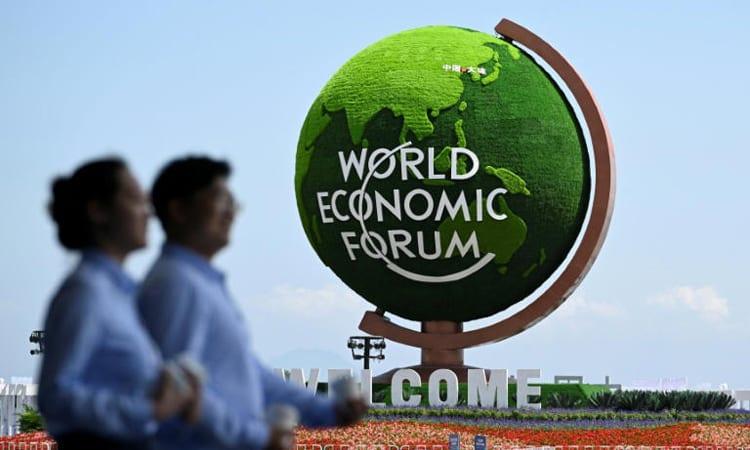
Breakthroughs in technologies such as artificial intelligence (AI) are touted as drivers of economic growth, but concerns over job losses and geopolitical tensions pose significant headwinds, speakers at China's 'Summer Davos' told AFP this week. The annual conference, organized by the Switzerland-based World Economic Forum (WEF), brought together policymakers and experts across sectors crucial to the global economy.
AI's Economic Impact and Risks
AI 'is really changing industry and the economy', offering new opportunities in education, healthcare, and other areas, Mirek Dusek, WEF's managing director, said Tuesday. 'We are blessed with a lot of technological advancements recently, but the main imperative for decision-makers around the world is really: how do you make sure this counts in the real economy?' Dusek told AFP. However, he warned of 'a risk of a backlash against some of these technologies' due to fears of AI-driven disruption to labor markets and potential security risks.
Geopolitical Tensions and Economic Forecasts
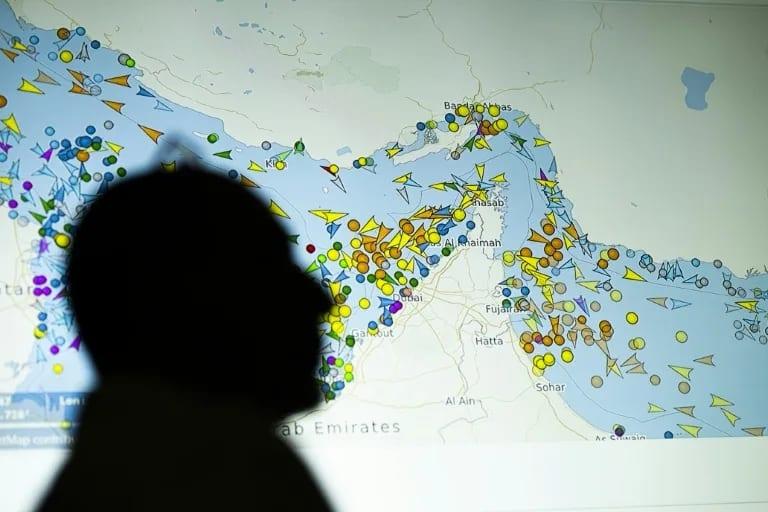
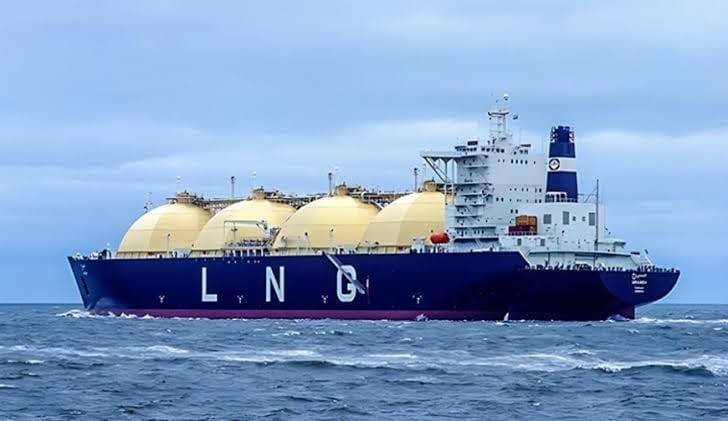
Adding to the pressure on the international economic system is the ongoing US-Israeli war with Iran, which has stymied shipping from the oil-rich Middle East. These shadows have led the World Bank to lower its global growth forecast for this year to its lowest level since the Covid pandemic. 'The world economy is currently facing a tepid environment,' Dusek said, warning of 'a threat of lost opportunity in terms of global growth if we really go into a state of severe fragmentation.'
China's Economic Challenges and US Relations
Chinese Premier Li Qiang was due to deliver a closely watched speech at the WEF's 'Annual Meeting of the New Champions', hosted this year in Dalian. The occasion provided an opportunity for Beijing's number-two leader to deliver a message about the Chinese economy to the influential group of tech and business leaders in attendance. Despite a boom in exports and AI tech, China's economy has struggled with sluggish household consumption and a property sector debt crisis since the pandemic.
Thucydides Trap and US-China Relations
Complicating matters is Beijing's tumultuous relationship with Washington. Graham Allison, professor at the Harvard Kennedy School, told AFP in Dalian that a potential war between the two great powers is very much on the table. Allison is known for coining the term 'Thucydides trap', which he defined as 'the dangerous dynamic that occurs when a rapidly rising power, like... China over the past generation impacts a major ruling power', such as the United States. However, recent high-level engagement between the Chinese and US presidents is reason for optimism that a war can be avoided, he added.