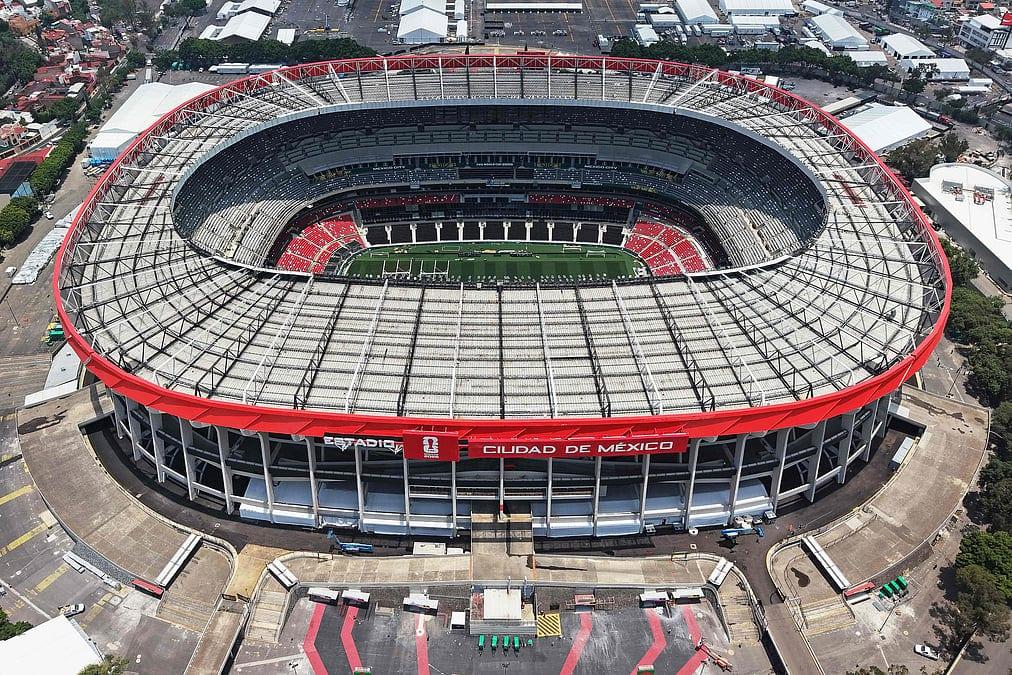
Azteca Stadium, known as Mexico City Stadium by FIFA, is a legendary venue in football history. It has been the stage for unforgettable moments, including Pele's and Maradona's iconic performances. Despite its rich history and contributions to football, the stadium feels a longing for the immortal recognition it believes it deserves. This article explores the stadium's journey, its significance in football history, and its desire for lasting legacy.
A Legacy of Unforgettable Moments
Azteca Stadium has been the venue for numerous historic football moments. From Pele's brilliance in the 1970 World Cup to Maradona's 'Hand of God' and 'Goal of the Century' in 1986, the stadium has witnessed football's greatest players and moments. These events have cemented its place in football history, making it a revered and iconic venue.
The Stadium's Yearning for Immortality
Despite its rich history, Azteca Stadium feels a deep longing for the immortal recognition it believes it deserves. It has been the stage for some of the greatest moments in football, yet it yearns for the lasting legacy that comes with being truly immortal in the sport's history. The stadium's desire for this recognition is a testament to its significance and impact on the game.
A Stadium's Place in Football History
Azteca Stadium's place in football history is undeniable. It has been the venue for three World Cup finals and has witnessed some of the greatest players and moments in the sport. Its rich history and contributions to football make it a legendary and iconic venue, deserving of the immortal recognition it seeks.