The Pulse Today
BREAKING
Sajib Pledges Aid for 50,000 Flood-Affected People in SonargaonMP Azharul Islam Mannan Distributes Relief Funds to Needy Families in SonargaonParliament Proposes Anti-Gambling Bill with Maximum 7-Year Prison PenaltyOpenAI Unveils 'Schedule' Feature to Boost Task Management in AI ChatbotPrime Minister Tareq Rahman Arrives in Dalian, China for Economic ForumEurope Confronts Intense Heatwave; Conditions Predicted to DeteriorateGold Prices Rise Again in Bangladesh Amid Global Market IncreaseSpaceX's Nasdaq Debut Values Company at Over $2 Trillion, Surpassing AmazonStudy Reveals AI Data Centers Contribute to Local Temperature IncreasesNarayanganj BNP Youth Wing Holds Rally to Welcome New Central CommitteeEC Proposes Expanded Disqualification Criteria for Local Government ElectionsMinister Zahir Uddin Swapon Hails Jadu Miah's Influence on Shaheed Zia's Political RiseIGP Wraps Up Regional Transnational Crime Summit in BangkokDhaka Police Detain 90 Individuals in Extensive Anti-Crime OperationsKhulna City Hosts Workshop on Land Use and Housing Strategies for Climate ResilienceRubio Scheduled to Meet Chinese Foreign Minister Wang Yi During ASEAN Summit: State DeptRussian Warship Performs Live-Fire Exercise in English ChannelCMP Commissioner Hasan Md. Shawkat Ali Orders Enhanced Measures Against Youth GangsPhilippine Airlines Plans to Acquire Up to 14 Additional Airbus A350-1000 AircraftKayser Kamal Champions Hajong Language Preservation and Enhanced Community Livelihoods5,000 Chittagong University Students Submit CVs at Chattogram Job FairBangladesh Shilpakala Academy to Honor Runa Laila with Special Event on July 24Ousted Turkish Opposition Leader Ozgur Ozel Announces Formation of New Political PartyRubio Criticizes Ortega's Plan to Abolish Elections in NicaraguaBangladesh Initiates Diplomatic Efforts to Boost Global Jute Exports

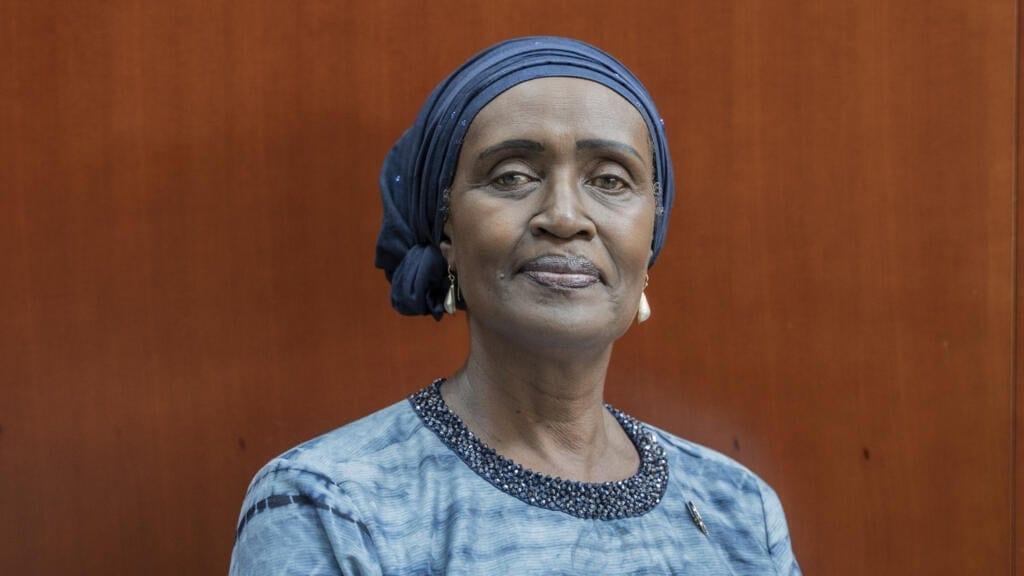
UNAIDS Chief Urges Radical Change in Africa's Health Strategy Amid Global Aid Cuts

UNAIDS chief Winnie Byanyima calls for urgent 'radical change' in Africa's health spending amid global aid cuts.

By Staff Correspondent
Share
UNAIDS chief calls for 'radical change' in Africa amid aid cuts | International
BSS

UNAIDS chief Winnie Byanyima has called for a 'radical change' in Africa's approach to health spending following significant global aid cuts. Speaking on the sidelines of an African Union health summit in Accra, Ghana, Byanyima emphasized the need for African governments to re-prioritize their own health budgets. With the dismantling of USAID and reduced foreign assistance from Western countries, Africa faces a critical moment to adapt its health systems and move towards health sovereignty.

Why is this change necessary?

The continent bears the highest burden of HIV infections globally, with 64 percent of people living with HIV residing in sub-Saharan Africa. In 2025, 60 percent of new infections occurred in Africa. Byanyima highlighted that every country must make financial decisions and structural changes to protect its people's health.

What does Byanyima suggest?

Byanyima urged African nations to finance more health projects themselves, re-allocate existing funds, and use scarce resources more efficiently. She stressed the importance of integrating and moving towards the production of their own medicines to ensure progress is not halted.

Are there other challenges?

Beyond financing, Byanyima also noted the 'serious pushback on human rights' for those with HIV, which is pushing people underground and away from receiving testing, prevention, and treatment. The criminalization of same-sex relations in many African countries further complicates efforts to combat the disease.
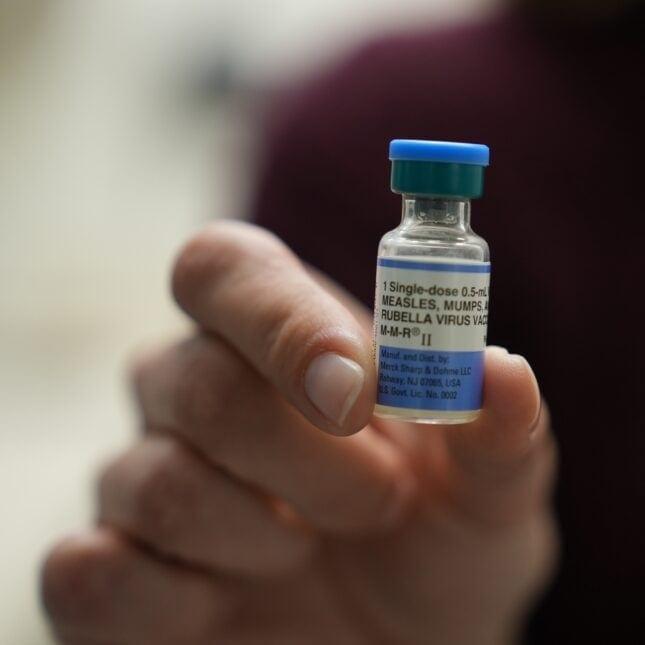
Source: BSS

FAQ

What prompted UNAIDS chief Winnie Byanyima to call for 'radical change' in Africa?
Global aid cuts, particularly from the US and Western countries, have significantly impacted Africa's ability to combat diseases like HIV, necessitating a re-prioritization of health spending.
What specific actions does Byanyima recommend for African governments?
Byanyima recommends that African governments finance more health projects, re-allocate existing funds, use resources more efficiently, and move towards producing their own medicines.
How does the HIV situation in Africa compare to the rest of the world?
Africa carries the highest burden of HIV infections globally, with 64 percent of people living with HIV residing in sub-Saharan Africa. In 2025, 60 percent of new infections occurred in Africa.
What other challenges does Byanyima mention in her call for change?
Byanyima mentions the 'serious pushback on human rights' for those with HIV and the criminalization of same-sex relations in many African countries, which complicate efforts to combat the disease.
Topics

Comments

More in Health

See all →

Latest stories