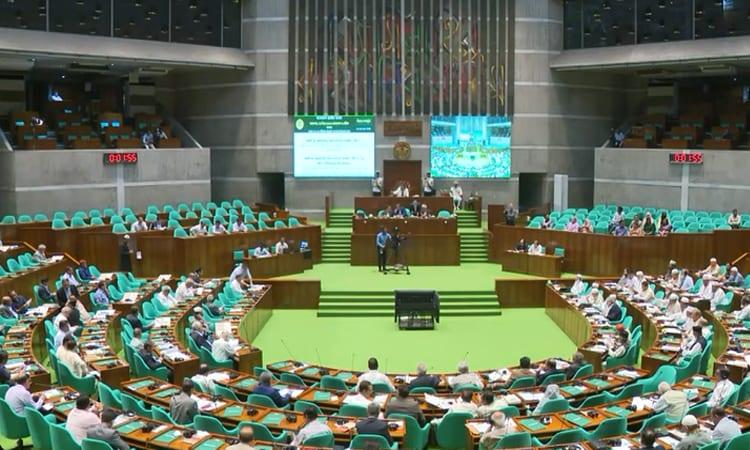
The Jatiya Sangsad has passed the Public Examinations (Offences) (Amendment) Bill, 2026, introducing tougher penalties against question paper leaks, digital manipulation, fake certificates, and other technology-driven examination offences. The legislation aims to protect the integrity of Bangladesh's public examination system by addressing modern forms of malpractice enabled by digital technology.
Key Amendments and Provisions
The Bill amends the Public Examinations (Offences) Act, 1980, replacing outdated provisions to tackle cyber-enabled examination fraud. One significant amendment is the introduction of a legal definition of 'digital manipulation,' covering unauthorized access to, hacking of, alteration, modification, deletion, or suppression of public examination databases. This offence is now punishable by up to five years' imprisonment, a fine, or both.
To curb technology-assisted cheating, the Bill inserts Section 3A, making it an offence to enter or attempt to enter an examination hall with prohibited electronic devices or to deliberately violate lawful examination instructions. Conviction under this provision carries a maximum punishment of two years' imprisonment, a fine, or both.
The amended law strengthens punishment for leaking examination materials by replacing the existing provisions of Section 8. Anyone found possessing, disclosing, publishing, or distributing question papers or answer scripts before an examination will face up to five years' imprisonment, a fine, or both.
New Provisions and Protections
A new Section 9A criminalises the establishment or operation of unauthorised examination centres. Individuals involved in organising such centres, as well as owners of premises knowingly used for illegal examinations, will face imprisonment of up to five years, a fine, or both.
To address manipulation during the evaluation process, the Bill introduces Section 10A, making deliberate over-assessment or under-assessment of answer scripts, or attempts to influence examination results through such practices, punishable by up to two years' imprisonment, a fine, or both.
The legislation also widens accountability through Section 12A, allowing legal action against institutions, organisations, and service providers that directly or indirectly facilitate examination offences or fail to exercise proper supervision over their employees. Responsible office bearers may also face prosecution unless they can prove they exercised due diligence or had no knowledge of the offence.
Special Provisions and Protections
Recognising the involvement of minors in some offences, the Bill introduces Section 13A, providing that any child accused under the Act will be dealt with in accordance with the Children Act, 2013, ensuring proceedings under the juvenile justice system.
Another new provision, Section 13B, provides legal protection for whistleblowers who disclose information on examination-related offences in good faith, shielding them from civil, criminal, or disciplinary action.
Procedural Changes and Implementation
The Bill also revises procedural provisions by making all offences under the Act cognisable, enabling law enforcement agencies to take action without prior court permission. Cases will be tried by Metropolitan Magistrates in metropolitan areas and Senior Judicial Magistrates or First Class Magistrates elsewhere through summary trial procedures.
The government has been empowered to frame rules through a new Section 14A to ensure effective implementation of the amended law by issuing notifications in the official gazette.